Compare Trusted Alaska Car Shipping Companies
Save time & money - up to 75% off standard rates
Used by millions of happy customers
Millions of people use Shiply
Fast and Easy
Complete one simple form and quotes come to you via email. Hassle-free, no phone calls required.
Trustworthy
All shipping companies on Shiply are feedback rated for your peace of mind.
Great Prices
As Shiply's shipping companies are already making similar trips, quotes are up to 75% cheaper than standard rates.
Alaska - Car Shipping Advice
Shipping a vehicle to or from Alaska is a specialized logistical undertaking that bears little resemblance to standard interstate auto transport in the contiguous United States. Moving a car across the Lower 48 relies on a continuous network of interstate highways and regional dry vans or open car carriers. Alaska, by contrast, demands a multimodal strategy that blends long-haul trucking, maritime freight corridors through the Pacific Northwest, and cross-border customs coordination through Canada. Whether you are relocating for military service at Joint Base Elmendorf-Richardson, heading south for the winter as a snowbird, or purchasing a rugged 4x4 from an out-of-state dealership, getting a car safely across thousands of miles of ocean or sub-arctic terrain requires understanding the distinct operational realities of northern vehicle transport.

Key Realities of Alaska Auto Logistics
Every vehicle entering or leaving Alaska moves along one of two primary supply chains. The most common route is the maritime corridor connecting the Port of Tacoma or Seattle in Washington State to the Port of Alaska in Anchorage, or via commercial barge terminals in Whittier and Valdez. The secondary route is overland transit along the Alaska Highway, commonly known as the Alcan, which cuts through British Columbia and the Yukon Territory before crossing the international border into Tok or Fairbanks.
Experienced dispatchers know that ocean transit serves as the backbone of Alaska car shipping because it avoids the extreme wear, stone-chip damage, and border delays common to the overland Alcan route. However, maritime schedules operate on strict weekly cutoff windows. Missing a port staging deadline by two hours can push a delivery back by an entire week. Transit times generally range from seven to fourteen days from the Pacific Northwest to Southcentral Alaska, while cross-country car shipping originating on the East Coast requires roughly two to three weeks to account for overland hauling to the West Coast port plus ocean sailing time.
Another major consideration is that vehicle transport within Alaska often requires secondary distribution. Once a car arrives in Anchorage, it may need regional transport north along the Parks Highway to Fairbanks, south across the Kenai Peninsula to Soldotna or Homer, or placement onto an Alaska Marine Highway System ferry to reach landlocked coastal towns like Juneau, Ketchikan, or Sitka. Understanding these distinct legs helps set realistic expectations for scheduling, transit time, and budget.

Navigating the Transport Process from Quote to Delivery
The car transportation process begins when you request a shipping quote and specify your origin, destination, vehicle dimensions, and operational condition. In the traditional marketplace, pricing varies widely based on carrier availability and maritime slot reservations. Platforms like Shiply simplify this initial stage by allowing independent transport companies and freight forwarders to review your route details and submit competing quotes directly to you, cutting out redundant phone calls and hidden broker fees.
Once you select a carrier and confirm your booking, the vehicle enters the dispatch stage. A motor carrier is assigned to handle the domestic pickup if your car starts outside the Pacific Northwest. The driver coordinates a multi-day pickup window, arriving at your residence or a nearby accessible staging area to load the car onto an open transport or enclosed car trailer. During this initial handoff, the driver conducts a thorough origin vehicle inspection, noting any pre-existing scratches, dents, or windshield chips on the bill of lading, which you must sign and retain.
The vehicle is then hauled overland to a specialized port processing terminal in Washington State. At the port, marine terminal operators re-inspect the vehicle, verify that it meets strict maritime safety requirements, and drive it aboard a specialized roll-on/roll-off vessel or secure it inside a maritime container. The vessel crosses the Gulf of Alaska, docking at the destination port where terminal staff unload the vehicle. If you selected door-to-door shipping to an interior city like North Pole or Palmer, a local carrier picks up the car from the port and handles the final leg of the car delivery, concluding with a final inspection against the original bill of lading before handoff.

Barge, Open Carrier, and Enclosed Transport Methods
Choosing the right transport service comes down to balancing budget against vehicle value and vulnerability. For maritime transit, roll-on/roll-off ocean vessels are the standard for running, factory-height passenger cars, crossovers, and pickup trucks. The vehicle is driven into the enclosed, weather-protected hull of the ship, secured to the deck with heavy-duty wheel chocks and nylon lashing straps, and protected from sea salt spray throughout the voyage.
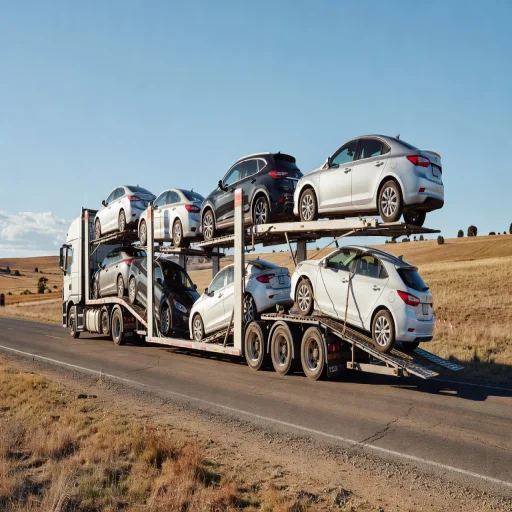
When overland hauling is required to reach the port or traverse the Alcan, open transport remains the most economical and widely available choice. Open car carrier trailers carry between seven and ten vehicles on two tiers. While open auto transport exposes vehicles to rain, snow, road grime, and airborne highway gravel, it handles the vast majority of daily drivers, work trucks, and family sedans without incident.
Enclosed transport represents the premium tier of vehicle shipping and is highly recommended for an exotic sports car, restored classic car, high-value luxury vehicle, or vintage 4x4. Enclosed trailers feature hard-sided or heavy-gauge vinyl walls that completely isolate the vehicle from road debris, extreme sub-zero weather, and industrial fallout. Furthermore, enclosed carriers frequently utilize hydraulic liftgates rather than steep loading ramps, preventing damage to the undercarriage or low-profile front splitters of high-end sports cars during loading.

Preparing Your Vehicle for Northern and Ocean Transit
Preparing a car to ship to Alaska involves strict technical and environmental requirements that go well beyond basic domestic transport. First, maritime regulations dictate that vehicles shipping via ocean vessel must contain between one-eighth and one-quarter of a tank of fuel. Maritime carriers will refuse to load a car with an empty tank or a full tank due to weight balancing, vapor safety, and fire prevention protocols. If a vehicle arrives at the port with a full tank, the terminal may charge a steep fee to siphon the excess fuel before loading.
A thoroughly washed exterior is mandatory for the initial bill of lading inspection. If a car is covered in road salt, winter mud, or dust, the carrier cannot accurately document cosmetic flaws, which severely complicates any insurance claims if new damage occurs in transit. Inside the vehicle, thoroughly clear out all personal belongings. Auto transport companies face strict weight restrictions and Department of Transportation regulations prohibiting commercial vehicle carriers from operating as household moving companies. Furthermore, personal items left in cars transiting through Canada on overland routes face strict customs scrutiny, and maritime port security will often reject vehicles packed with unauthorized boxes or loose luggage.
Winterization is another crucial step when shipping to Alaska between October and April. Sub-zero temperatures in Fairbanks and the Interior regularly drop below minus thirty degrees Fahrenheit. Ensure your engine coolant and antifreeze are rated for arctic conditions, your battery is fully tested, and your windshield washer fluid is rated for sub-zero temperatures to prevent cracked reservoirs or burst engine blocks upon arrival. Remove or secure all aftermarket accessories, including oversized roof racks, auxiliary light bars, fishing rod holders, and wide tow mirrors, to prevent damage and avoid incurring oversized vehicle surcharges.

Understanding the Dynamics of Alaska Shipping Costs
Pricing for Alaska car shipping is shaped by operational factors that do not apply to standard mainland routes. Distance is only one part of the calculation. A direct car shipping quote reflects a combination of inland trucking rates, maritime ocean freight tariffs, fuel surcharges, terminal handling fees, and seasonal demand shifts.
Vehicle size, ground clearance, and curb weight heavily influence total shipping costs. Maritime vessels and multi-car trailers allocate space based on physical footprints and axle weight limits. A standard compact sedan takes up less deck space and weighs half as much as a modified Ford F-350 Super Duty or a heavy electric vehicle with a dense lithium-ion battery pack. Consequently, heavy pickups, lifted off-road SUVs, and large passenger vans command higher rates across both the ocean and highway segments.
Vehicle operability also creates a major cost divide. If your car does not start, steer, or brake properly, standard car shipping companies cannot drive it onto open transport ramps or roll-on/roll-off barge decks. Moving inoperable vehicles requires specialized winches, flatbed tow trucks, and terminal forklifts, adding non-running surcharges at both the origin terminal and destination port. To ensure you receive an accurate instant quote and avoid billing disputes at delivery, always declare modifications, oversized all-terrain tires, roof tents, and mechanical defects when booking your transport.

How to Select the Right Auto Transport Provider
The vehicle shipping industry operates through a mix of direct motor carriers, licensed transportation brokers, and specialized freight forwarders. Direct carriers own and operate the physical trucks and trailers, while licensed freight brokers leverage vast networks of independent haulers to find capacity along specific lanes. For Alaska shipping, the most effective auto transport companies maintain dedicated operational agreements with Pacific Northwest maritime ports and understand regional delivery routes across the state.
When vetting potential car transport companies, verify that the broker or carrier holds active operating authority through the Federal Motor Carrier Safety Administration and possesses a valid USDOT and MC number. Reliable auto transport services maintain clear communication, provide transparent written quotes without hidden port staging fees, and clearly explain the division of labor between the domestic overland driver and the maritime ocean carrier.
Using a digital comparison marketplace like Shiply offers significant advantages when searching for best car shipping options. Rather than contacting multiple dispatchers individually, submitting your shipping request allows verified auto transport providers to compete for your business. You can review authentic customer feedback, compare historical performance ratings, and evaluate detailed pricing structures before committing your vehicle to a carrier.

Cargo Coverage, Marine Insurance, and Vehicle Safety
Understanding how insurance protection works during auto shipping protects you from unexpected liability. Federal law mandates that all registered motor carriers carry valid commercial auto transport cargo insurance. This insurance protects your vehicle against carrier negligence, structural trailer failure, and loading damage while the car is in the custody of the overland truck driver.
However, when a vehicle is placed aboard an ocean vessel or barge bound for Alaska, the regulatory framework shifts to maritime law. Ocean transit is governed by the Carriage of Goods by Sea Act, which historically caps maritime carrier liability at low default rates per shipping unit unless supplemental maritime marine insurance is purchased. Reputable car shipping companies and freight forwarders offer comprehensive gap or maritime insurance coverage options to ensure complete financial protection throughout the deep-water crossing.
The bill of lading serves as your primary legal contract and condition report throughout this journey. When the pickup carrier arrives, walk around the vehicle alongside the driver to document every existing scratch, chip, or mechanical note. When the vehicle arrives in Alaska, take your time during the delivery inspection. If you notice any damage that was not present at the origin point, you must note it directly on the final bill of lading before signing the document and accepting custody of the car, as failure to do so will void subsequent insurance claims.

Common Mistakes and Best Practices for Arctic Auto Transport
One common mistake shippers make is waiting until the last minute to book during peak seasonal transitions. In the late spring and early summer, maritime vessel capacity fills up rapidly with commercial fleet deliveries, returning seasonal workers, and military families undergoing permanent change of station relocations. Booking three to four weeks in advance ensures you secure a space on your preferred sailing date and avoids premium rush surcharges.
Another frequent oversight involves leaving toll passes, garage door openers, and parking transponders mounted to windshields. As your vehicle passes through weigh stations, automated toll booths, and port scanners on open carriers across states like Washington, Oregon, or Idaho, electronic toll readers can mistakenly charge your personal account. Always remove transponders and keep all vehicle ownership paperwork, including registration and titles, in your personal luggage rather than inside the vehicle glove box.
Additionally, do not overlook street accessibility when scheduling door-to-door car delivery. Large eight-car haulers measure up to eighty feet in length and cannot safely navigate narrow suburban cul-de-sacs, steep gravel mountain roads, or unplowed subdivision lanes common in places like Eagle River, the Mat-Su Valley, or hillside Anchorage neighborhoods. If your residence is inaccessible, be prepared to meet the carrier at a wide commercial parking lot, highway turnout, or local freight yard to safely complete the vehicle handoff.

Alaska Regional Geography, Ports, and Winter Transit Realities
Alaska spans over six hundred thousand square miles, yet its highway network connects only a fraction of the state. The primary transportation artery is the Glenn-Parks Highway corridor, which links the coastal hub of Anchorage with the Interior center of Fairbanks. Most car delivery operations hub out of Anchorage terminals near the Port of Alaska on Knik Arm. From there, carriers run scheduled shuttle routes north along the Parks Highway to Wasilla, Talkeetna, and Fairbanks, or south along the Seward Highway through the Turnagain Arm to Kenai Peninsula communities.
Winter weather introduces unique operational hurdles from October through May. Blizzards, black ice on the Glenn Highway, drifting snow across Thompson Pass near Valdez, and extreme cold across the Interior can trigger mandatory road closures and slow highway speeds. Dispatchers actively monitor severe weather patterns, and temporary transit delays are a normal, safety-first reality of winter auto transport in the sub-arctic.
For Southeast Alaska communities such as Juneau, Sitka, Petersburg, and Wrangell, no road connections exist to the rest of the continent. Vehicle shipping to these islands and coastal fjords requires dedicated transport via the Alaska Marine Highway ferry system or regional container barges staging out of Puget Sound or Prince Rupert, British Columbia. If your vehicle travels overland along the Alcan, cross-border customs regulations come into play. Canadian customs officials require that vehicles in transit be completely free of prohibited goods, firearms, and unapproved personal cargo, and drivers must present clear vehicle titles or notarized lienholder authorization letters when transporting financed vehicles across international checkpoints.

Why Many Drivers Utilize Shiply for Northern Shipping
Arranging vehicle transport across multiple states, international borders, and maritime sea lanes can quickly become confusing and costly when dealing with fragmented local providers. Shiply streamlines this process by bringing a broad network of experienced auto transport companies, cross-country car shipping specialists, and regional freight carriers onto a single, transparent digital platform.
Instead of receiving blind estimates or navigating confusing automated phone systems, you submit your specific vehicle details and route parameters once. Independent transport companies with available trailer space and booked maritime capacity review your listing and submit tailored, competitive bids. This direct competition drives down costs by filling empty return runs and unused cargo space on both highway haulers and marine barges.
Shiply empowers you to evaluate carriers based on verified customer reviews, operating experience, and genuine service quality. You remain in complete control of your timeline and budget, working with established professionals who understand the intricate demands of northern auto logistics. Whether moving a reliable family SUV across the country to Anchorage or transporting a classic truck south to the Lower 48, using a modern comparison marketplace gives you the transparency, protection, and operational reliability needed to transport your vehicle with confidence.
Popular Routes from Alaska
Fast-moving Car Shipping routes customers often compare from Alaska.
Alaska Arkansas
Alaska New York
Alaska Nevada
Alaska Georgia
Alaska Tennessee
Alaska Washington
Alaska Michigan
Alaska Oregon
Top Alaska Transport Providers on Shiply
Pricing By Shipping Method
Based on 108 real auto shipments, these examples demonstrate how different transport methods can affect your quotes.
By Vehicle Type
-
Car (Sedan/Coupe) 9,962 shipmentsBaseline
-
SUV / Crossover 10,015 shipments+$107
-
Pickup Truck 1,079 shipments+$286
By Transport Method
-
Driven 0 shipmentsBaseline
-
Open Trailer 767 shipments+$767
-
Enclosed Trailer 0 shipments+$0
Recent Car Shipping Prices In Alaska
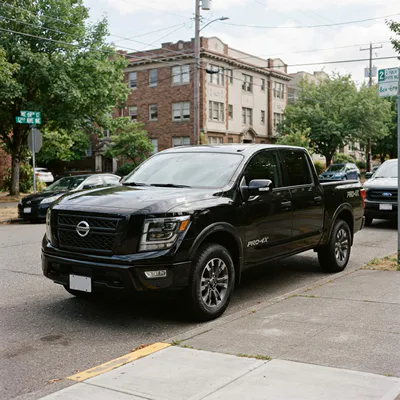
Nissan Titan
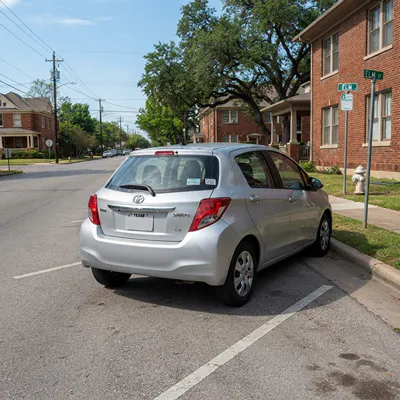
Toyota Yaris
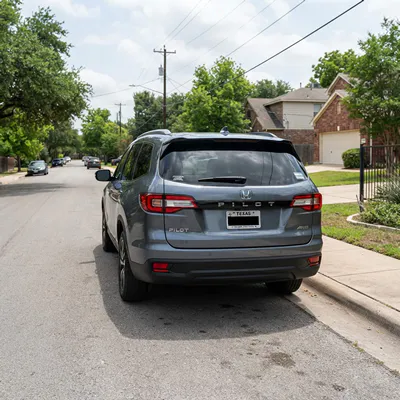
Honda Pilot
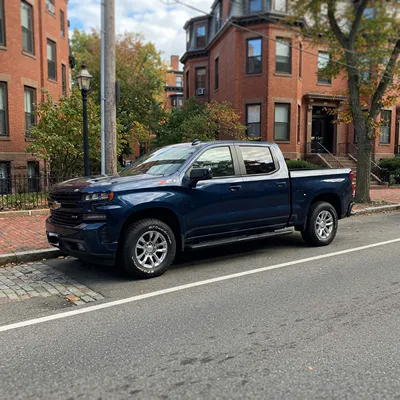
Chevrolet 1500
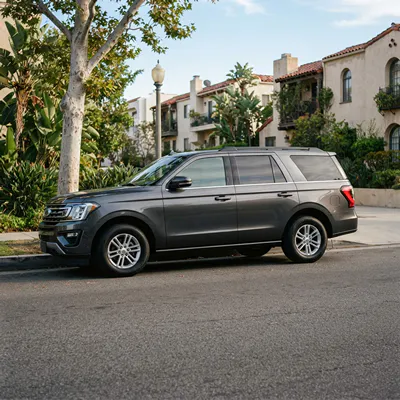
Ford Expedition
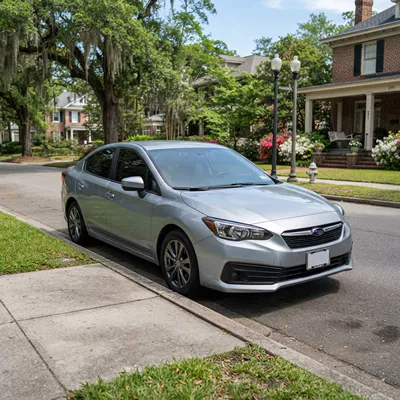
Subaru Impreza
Other Popular Cities In Alaska
FAQs
Does Shiply Cover My Area?
Yes. There are transport providers using Shiply all over the country and overseas, so whether you need to move something to/from Alaska or further afield, we have got you covered.
What Mode Of Transport Will Be Used?
This is your preference, you can choose from various modes of transport available on Shiply. For car shipping this is generally a driven service, transported on an open trailer or transported in an enclosed trailer.
How Can I Contact Shiply Support?
Our friendly support team is always on hand. Simply click on the Help link or email us: . We aim to respond inside a few business hours. If you have an urgent query about a delivery underway, you can contact your driver directly. Full details are in the booking confirmation email and My Shiply.
Who Will Carry Out My Delivery?
Whoever you choose. There are thousands of rated transport providers from Alaska on our platform ready to make a bid to carry out your car shipment. It is up to you to decide which quote to accept. We suggest assessing both price and the transport provider's feedback rating and recent reviews before your book.
When Will I Receive A Quote?
You will typically start to receive quotes within 30 minutes. If your delivery is particularly urgent or important, you can try upgrading your delivery request which moves your listing to the top of the search page for shipping companies.
How Many Quotes Will I Receive?
Whilst there is no guarantee of quotes, 98% of listings receive at least 3 quotes, so you are very likely to find a transport provider who services Alaska who can undertake the delivery of your vehicle.
Is My Vehicle Insured For Transport to/From Alaska?
Yes, it is a requirement for all transport providers on Shiply to have appropriate insurance coverage for the vehicles they transport. However, we also highly recommend purchasing Shiply's protection plan when placing your booking for additional peace of mind in the event of an insurance company or transport provider refusing to pay out.
How Far Out In Advance Should I Schedule Collection?
It is recommended to schedule your collection as early as possible to ensure availability and to allow transport providers sufficient time to plan the logistics of your vehicle's transport. Generally we advise at least two weeks as this gives transport providers enough time to bundle your car shipment with others heading in the same direction, helping to drive down cost. That said, last minute availability is sometimes possible, although it does carry a premium price. So planning ahead is always beneficial.
How Do I Pay For The Car Shipping Service?
When you accept a quote on Shiply, you pay a small deposit, service fee and optional protection plan fee. The remaining balance is paid directly to the transport provider, usually on delivery. Shiply provides a secure platform for communication. It is recommended to discuss payment terms with the provider before confirming your booking.
What Is the Difference Between Open and Enclosed Auto Transport?
Open transport is the most common and cost-effective method, where your vehicle is exposed to the elements on an open trailer. Enclosed transport provides additional protection by keeping your vehicle inside a covered trailer, shielding it from weather and road debris. Enclosed transport is typically more expensive but offers greater security for high-value or classic vehicles.
Is Shiply Auto Transport A Door to Door Service?
Yes, Shiply offers door-to-door auto transport services, meaning your vehicle will be picked up from your specified location and delivered to your desired destination. Typical pickup and delivery locations include home, office or apartments and all are typically fine. Occasionally, there may be restrictions based on the availability of street parking or extremely narrow roads, in those instances the transport provider will discuss nearby alternatives locations with you such as a local parking lot or gas station.
How Is Shiply Different From Other Auto Transport Services?
Shiply offers a unique platform that connects customers with transport providers, allowing for competitive quotes and flexible scheduling. Unlike traditional auto transport services, Shiply provides a transparent and user-friendly experience, ensuring that you can easily compare options and choose the best service for your needs. As transport providers compete for your job, you benefit from securing the best rates in the industry without having to phone around.
What Types of Vehicles Can Shiply Transport?
Shiply can transport a wide range of vehicles, including cars, motorcycles, vans, trucks, and even classic or luxury vehicles. The platform connects you with transport providers who have the appropriate equipment and experience to handle your specific type of vehicle, ensuring safe and reliable transportation. Shiply can also ship electric vehicles.
How Much Does It Cost To Ship A Car to/from Alaska?
The cost of shipping a car to or from Alaska depends on various factors, including the distance, type of vehicle, and chosen transport method. Shiply provides a platform where you can receive competitive quotes from multiple transport providers, allowing you to find the best rate for your specific needs. But as a general rule of thumb, you can expect a rough cost of around $2.40/mile for shorter distances under 250 miles and $0.84/mile for longer distances above 750 miles.
How Do I Get a Quote For Shipping My Car?
To get a quote for shipping your car, you can use Shiply's platform to submit your vehicle details and transport requirements - just click the get quotes button. Multiple transport providers will then provide you with competitive quotes, allowing you to compare prices and services to find the best option for your needs.
How Do I Stay In Touch With My Transport Provider During Delivery?
To stay in touch with your transport provider during delivery, you can use Shiply's messaging system to communicate directly with them. This allows you to ask questions, provide updates, and coordinate the details of your vehicle transport.
Is It Cheaper To Ship A Car Or Drive It?
It depends on the distance, fuel costs, accommodation, vehicle wear and tear, and the value of your time. For long-distance moves, shipping your car is often surprisingly cost-effective and saves you from putting unnecessary mileage on your vehicle. Shiply's reverse auction marketplace helps you compare competitive quotes so you can decide which option offers the best value.
Is It Worth Shipping A Car?
For many people, yes. Shipping a car can save significant time, reduce stress, avoid adding miles to your vehicle, and eliminate the costs associated with a long road trip. It is particularly worthwhile when relocating, buying a vehicle remotely, transporting a classic or luxury car, or moving across the country.
What Is The Cheapest Way To Ship A Car?
The most affordable option is usually open transport with flexible collection and delivery dates. Booking in advance also helps reduce costs, as transport providers have more opportunity to combine your vehicle with other deliveries travelling in the same direction. On Shiply, providers compete for your listing, helping you secure some of the lowest available prices.
How Long Does It Take To Ship A Car?
Delivery times depend on the distance, route, and transport provider's schedule. Shorter journeys may take just one or two days, while cross-country transport can take around one to two weeks. When reviewing quotes on Shiply, you can discuss estimated collection and delivery dates directly with transport providers before booking.
Can I Track My Vehicle During Transport?
Most transport providers provide regular updates throughout the journey. You can communicate directly with your chosen provider using Shiply's secure messaging system to request progress updates, estimated arrival times, or notify them of any changes during the delivery.
How Much Fuel Should Be Left In My Vehicle?
Most transport providers recommend leaving around a quarter of a tank of fuel. This provides enough fuel for loading and unloading while keeping the vehicle as light as possible, helping to improve safety and efficiency during transport.
What Is Terminal-To-Terminal Car Transport?
Terminal-to-terminal transport involves dropping your vehicle off at a designated collection point and collecting it from another terminal at its destination. While this can sometimes reduce costs, most Shiply transport providers offer the convenience of door-to-door delivery, making terminal transport less common.
Can I Ship Multiple Vehicles At Once?
Yes. Many transport providers can move multiple vehicles in a single shipment, whether you are relocating, buying or selling several vehicles, or arranging transport for a dealership. When creating your listing, simply include details of every vehicle so providers can quote accurately.
Can I Ship A Car I Bought Online Or At Auction?
Absolutely. Many Shiply customers arrange transport for vehicles purchased from dealerships, online marketplaces, auctions, and private sellers. Simply provide the collection and delivery details, and transport providers will submit competitive quotes for your shipment.
Can I Get A Quote Without Providing Personal Details?
Yes. You can request quotes by providing information about your vehicle and delivery requirements without making your personal contact details public. Once you have chosen a transport provider and confirmed your booking, you will be able to communicate directly through Shiply's secure messaging platform.
Can I Get A Quote Without Providing Personal Details?
Yes. You can request quotes by providing information about your vehicle and delivery requirements without making your personal contact details public. Once you have chosen a transport provider and confirmed your booking, you will be able to communicate directly through Shiply's secure messaging platform.
What Is The Safest Way To Ship A Car?
Professional vehicle transport is generally the safest option. For most vehicles, open transport provides excellent protection and value. If you are shipping a classic, luxury, antique, or high-value vehicle, enclosed transport offers additional protection from weather and road debris throughout the journey.
How Do I Choose The Best Car Shipping Company?
Look beyond price alone. Consider customer reviews, feedback ratings, insurance cover, experience, communication, and collection times. Shiply makes it easy to compare all of these factors in one place so you can confidently choose the transport provider that best meets your needs.
Why Do Car Shipping Prices Change Throughout The Year?
Car shipping prices fluctuate with supply and demand. Peak moving periods, holidays, severe weather, and popular relocation seasons can all increase demand for transport services. Booking early and being flexible with your dates can often help you secure lower prices.
How Long Is My Quote Valid?
Each transport provider sets their own quote validity period. Some quotes remain available for several days, while others may be withdrawn sooner if the provider's schedule changes. If you find a quote that suits your requirements, it is generally best to book before availability changes.
Can I Book Car Shipping Without An Exact Collection Address?
In many cases, yes. If you know the general pickup area but not the precise address, you can still create a listing and update the details later. If you change the pickup or delivery location after publishing your listing, existing quotes may need to be refreshed to reflect the new journey.
Can Shiply Transport Electric Vehicles?
Yes. Many transport providers on Shiply regularly transport electric vehicles, including Tesla, Rivian, Polestar, Lucid, Nissan, Hyundai, Kia, and many other makes and models. When creating your listing, simply specify that your vehicle is electric so providers can prepare accordingly if required.
Does Someone Else Have To Be Present If I Can't Attend Collection Or Delivery?
Yes. If you are unavailable, you can usually nominate a trusted friend, family member, colleague, or representative to hand over or receive the vehicle on your behalf. Make sure they have any necessary keys, paperwork, and are aware of the agreed collection or delivery arrangements.
What Happens If My Transport Provider Is Delayed?
Delays can occasionally occur due to traffic, weather, mechanical issues, or changes to delivery schedules. Your transport provider should keep you informed of any changes, and you can contact them at any time through Shiply's messaging system to receive updates.
What Happens If My Vehicle Is Damaged During Transport?
All transport providers on Shiply are required to carry appropriate insurance. Before collection, we recommend photographing your vehicle from multiple angles and noting any existing damage. If damage does occur during transport, you should notify the transport provider immediately and follow their insurance claims process. Purchasing Shiply's protection plan also provides additional peace of mind.
Can I Ship A Classic, Luxury Or Exotic Car?
Yes. Many transport providers specialise in transporting classic, luxury, prestige, and exotic vehicles. For valuable vehicles, enclosed transport is often recommended to provide additional protection from weather, road debris, and other external factors during transit.
What Documents Do I Need To Provide?
To ensure a smooth delivery process, you will need to provide certain documents to your transport provider. These may include your vehicle registration, proof of insurance, and title. Make sure to have these documents ready and accessible for the transport provider.
How Can I Ensure I Choose The Best Car Shipping Company To/From Alaska?
To ensure you choose the best car shipping company, consider factors such as customer reviews, insurance coverage, experience, and pricing. All of which can be viewed in one place, here on Shiply. It's important to compare multiple providers and ask questions to make an informed decision.
How Should I Prepare My Car For Shipping?
To ensure your car is ready for shipping, you should clean it thoroughly, remove any personal belongings, and take note of any existing damage. Additionally, make sure your vehicle is in good working condition and has enough fuel for loading and unloading. We also advise taking photos of the car, from multiple angles, to document its condition before transport.
What Time Of Year Is Cheapest For Shipping My Car To/From Alaska?
The cost of shipping your car can vary depending on the time of year. Generally, shipping rates are lower during the off-peak seasons, such as late fall and winter, when demand is lower.
Are Car Shipping Quotes Guaranteed?
On Shiply, the price you see is the price you pay. Unlike some other auto transport companies, the quotes provided are guaranteed and will not change unless you make modifications to your request.
Is Open Transport Car Shipping Safe?
Open transport is a common method for shipping cars and is generally safe. Vehicles are securely strapped and covered to protect against road debris and weather conditions. For luxury, antique or classic cars, enclosed transport is recommended for added protection and security.
Can You Negotiate With Car Shipping Providers?
On Shiply, the reverse auction mechanism automatically helps you find the lowest price in the market due to competitive bidding. However, yes, you can also use the messaging system to negotiate with providers. Sometimes if you are able to provide extra flexibility, especially around dates, you may be able to secure a better deal.
What Payment Methods Do You Accept?
Shiply accepts all major debit/credit cards. However, the transport providers themselves may have different payment methods and policies, so it's important to confirm with them directly before you place your booking.
Which Factors Affect Car Shipping Costs The Most?
Several factors can influence the cost of shipping a car, including the distance of the move, the type of transport (open or enclosed), the size and weight of the vehicle, and the time of year. It's important to consider these factors when planning your car shipment.
Can I Travel With My Car?
The majority of car transport providers on Shiply are only insured for the transportation of vehicles, however, some are also able to take people. If you need to travel with your car, make sure to mention this in your listing and to highlight this to any providers who quote on your request.
What If I Need To Cancel My Booking?
If you have accepted a quote and paid the deposit but wish to cancel the delivery, then you should first inform your chosen transport provider that you no longer require the delivery. You should then contact us at to process the cancellation.
Can I Change The Address Of The Delivery?
If you have not yet accepted a quote then you are able to change the address of your delivery request. Note that editing details of your request after publishing will result in active quotes being voided, so you will have to wait for new quotes to come in. If you have already accepted a quote and need to change the address either within Alaska or outside the area, please let your transport provider know and contact us at .
Does Someone Have To Be Present For Pickup And Delivery?
In most cases, the car shipping company will require you to be in attendance for the pickup and delivery of the vehicle. This is because there are likely to be release forms that you need to sign, as well as handing over the car keys.
Can I Keep Items In My Vehicle?
Most car transport companies will be fine with you keeping some personal items in the vehicle when it is transported. However, do be aware that the weight of the items may affect the price of the vehicle shipment, and any items in the vehicle will not be covered by insurance for the transport of the car itself.
Can I Transport My Vehicle If It Isn't Running?
You can ship your vehicle if it isn't in running condition, however, this will be more expensive as specialist equipment is required to load and unload the vehicle.

How Shiply works
Why Choose Shiply?
Shiply helps you compare quotes from customer-reviewed vehicle transporters who already have space on similar routes, so you can find a safer, simpler way to ship at a better price.
Save up to 75%
Transport Providers bid for your job using spare capacity on pre-existing routes.
Compare rated shippers
Review prices, profiles, feedback, and recent customer comments before booking.
Move any vehicle
Arrange local, interstate, long-distance, open, enclosed, or specialist transport.
Support and safety
Dedicated Trust & Safety Team. Friendly support team standing by and ready to help.
How Shiply Helps The Environment
By utilizing spare capacity of vehicles running on the road, Shiply helps reduce the number of otherwise wasteful journeys.