

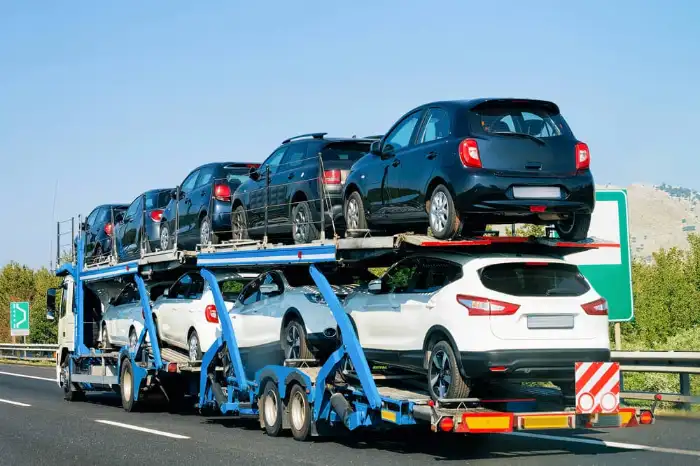

Compare Trusted Port St. Lucie Car Shipping Companies
Save time & money - up to 75% off standard rates
Used by millions of happy customers





Millions of people use Shiply

Fast and Easy
Complete one simple form and quotes come to you via email. Hassle-free, no phone calls required.

Trustworthy
All shipping companies on Shiply are feedback rated for your peace of mind.

Great Prices
As Shiply's shipping companies are already making similar trips, quotes are up to 75% cheaper than standard rates.
Port St. Lucie, Florida - Car Shipping Advice

Certified by:
Dan Menzies
Shiply's Auto Transport Expert
Updated 2026
Last updated September 2026
Arranging car shipping along Florida's Treasure Coast involves understanding how freight corridors, regional geography, and seasonal traffic patterns interact. Port St. Lucie has evolved from a quiet residential enclave into one of the fastest-growing metropolitan areas in the state. This rapid residential expansion creates a distinct operational environment for vehicle transport carriers. An auto transporter handling a pickup in master-planned communities like Tradition or St. Lucie West faces vastly different logistical conditions than a carrier operating out of industrial staging yards in larger hubs like Miami or Jacksonville. Knowing how dispatchers schedule these routes, how car carrier equipment navigates local infrastructure, and how spot market rates fluctuate throughout the year allows vehicle owners to approach the shipping process with complete clarity.

Crucial Logistics Insights for Port St. Lucie Auto Transport
Auto transport is fundamentally a route-density business. Carriers operate on tight margins where fuel burn, transit time, and route efficiency dictate profitability. Port St. Lucie benefits immensely from its direct access to both Interstate 95 and Florida's Turnpike, which serve as the primary north-south arteries for the entire eastern seaboard. When an auto transport company evaluates a load originating in or heading to Port St. Lucie, the proximity to these highways makes the dispatch decision far simpler than a load headed deep into rural inland Florida.
One detail that frequently catches vehicle owners off guard is the distinction between transit time and scheduling windows. A standard nine-car open transport rig covers roughly four to five hundred miles per day, subject to federal Hours of Service regulations enforced by the Department of Transportation. While actual highway transit from the Northeast to South Florida might only take two to three days, securing a space on an active trailer typically requires a pickup window of several days. Dispatchers piece together puzzle-like multi-vehicle loads across several adjacent municipalities, meaning your vehicle is part of a complex sequence involving other stops in Fort Pierce, Stuart, or West Palm Beach.
Direct door-to-door delivery remains the industry standard, but residential realities in St. Lucie County often dictate the final handoff location. A fully loaded eighty-foot car hauler weighing up to eighty thousand pounds cannot legally or safely navigate narrow residential streets, tight cul-de-sacs, low-hanging live oak canopies, or gated subdivisions with strict commercial vehicle weight restrictions. In practice, seasoned drivers coordinate with customers to meet at broad, accessible commercial aprons near major interchanges, such as shopping center parking lots off Crosstown Parkway, St. Lucie West Boulevard, or Gatlin Boulevard.

How the Shiply Process Works from Start to Finish
Arranging car transportation through an online marketplace functions differently than dealing with single-truck owner-operators or traditional legacy brokerages. Platforms like Shiply connect shippers directly with thousands of rated transport providers who are already running routes that match the desired itinerary. Instead of calling dozens of car transport companies individually to request a car shipping quote, a single listing details the vehicle type, operational status, origin, destination, and desired time frame.
Once the shipment details are posted, carriers and dispatchers with empty slots on their trailers submit competitive bids to fill those spots. This reverse-auction mechanism capitalizes on excess trailer capacity. An auto transporter traveling southbound down the I-95 corridor with eight vehicles on a nine-car trailer is actively losing potential revenue on that empty ninth spot. Offering a competitive price to take a vehicle as far as Port St. Lucie allows the carrier to maximize lane yield while providing the vehicle owner with an economical shipping rate.
After reviewing carrier feedback, safety records, and price quotes, the customer selects the transporter that aligns with their schedule and budget. The carrier then confirms the dispatch window and stays in communication as the scheduled pickup day approaches. On the day of loading, a comprehensive condition report is completed, the vehicle is secured onto the trailer, and the carrier begins transit. Upon arrival at the destination, a final inspection is performed before the vehicle is released and the remaining balance is settled.

Evaluating Open Versus Enclosed Carrier Configurations
Selecting the appropriate trailer type is one of the most critical decisions when preparing to ship a car. Open transport is the undisputed workhorse of the automotive logistics industry, responsible for moving roughly ninety percent of all road freight vehicles across the United States. Open trailers feature double-decker steel framework designs that carry anywhere from seven to ten vehicles at a time. This method provides the most cost-effective car shipping services because operational costs, road tolls, and diesel fuel expenses are shared across multiple vehicle owners.
The trade-off with open transport is exposure to atmospheric elements and road debris. Vehicles riding on an open car carrier are exposed to highway grit, seasonal weather, rain, and direct sun exposure. For daily drivers, family sedans, light trucks, and standard sport utility vehicles, this exposure is virtually identical to what the car encounters during normal highway driving. For standard relocations or dealership purchases, open transport represents the logical balance between safety and car shipping cost.
Enclosed transport offers absolute protection inside a fully sealed, hard-sided or heavy-duty soft-sided trailer. This transport service is tailored specifically for high-value assets, classic car restorations, exotic sports cars, and luxury vehicles with bespoke paint finishes. Enclosed car trailers utilize specialized hydraulic lift gates rather than steep approach ramps, ensuring that low-clearance vehicles with aggressive front splitters do not scrape during loading. Enclosed car shipping typically commands a premium of forty to sixty percent above open transport rates due to lower trailer capacity, specialized loading equipment, and higher commercial cargo insurance coverage.

Pre-Transport Preparation Protocols for Florida Hauls
Proper vehicle preparation directly impacts the efficiency and safety of the loading process. Experienced carriers know that a clean vehicle is essential for an accurate pre-trip inspection. Washing the car thoroughly right before the transport driver arrives allows both parties to clearly see and document existing paint chips, scuffs, minor dents, and glass imperfections on the initial Bill of Lading. When a vehicle is caked in road grime or pollen, minor cosmetic flaws can be obscured, making post-delivery claims complicated.
Fluid levels and mechanical stability must be addressed prior to pickup. The vehicle should have a fully functioning battery, proper tire pressures, and no active fluid leaks. Transport drivers have the operational authority to reject vehicles that leak oil, transmission fluid, or brake fluid onto other customer vehicles situated on lower decks. The fuel tank should be drained or run down to approximately one-quarter full. Fuel adds significant weight across a multi-car haul, and keeping tank levels low helps the motor carrier stay compliant with strict interstate axle weight limits while reducing fire hazards during transit.
All personal items and loose cargo should be removed from the passenger cabin and trunk. While many customers view auto shipping as an opportunity to transport household goods, Department of Transportation regulations prohibit auto transport carriers from acting as licensed household goods moving companies. Furthermore, personal items left inside the cabin are not covered under the carrier's commercial cargo insurance policy. Unsecured items can shift abruptly during heavy braking or highway maneuvering, damaging interior trim, door panels, or windows from the inside out. Toll transponders like SunPass or E-Pass should be deactivated or wrapped in protective foil to avoid accidental automated toll charges as the car hauler crosses overhead gantries along Florida's Turnpike.

Variables Governing Vehicle Shipping Costs and Fuel Surcharges
A car shipping quote is not a static figure derived from a simple mileage formula. Instead, auto shipping pricing is governed by dynamic freight market principles that fluctuate daily based on supply, demand, equipment availability, and regional fuel prices. Understanding these variables prevents unrealistic expectations when comparing instant quote estimates from various car shipping companies.
Vehicle dimensions and curb weight exert a massive influence on the final rate. An oversized pickup truck like a Ford F-250 or a lifted Jeep Wrangler occupies significantly more physical space and consumes far more of the trailer's total weight allowance than a compact sedan. Because federal law caps commercial truck gross vehicle weight at eighty thousand pounds without specialized permits, haulers must balance heavy units with lighter passenger vehicles. Electric vehicles, which carry substantial battery mass, often command slight rate adjustments because their dense curb weight limits the total number of vehicles a carrier can legally haul on that trip.
Seasonal migration patterns, commonly referred to across the transport sector as the snowbird season, create dramatic pricing imbalances in South and Central Florida. Between October and December, the volume of vehicles moving southbound from New York, New Jersey, Pennsylvania, and New England into Port St. Lucie and surrounding Treasure Coast communities surges dramatically. Carrier capacity becomes constrained, driving southbound shipping costs upward. Conversely, during April and May, northbound capacity out of Florida tightens severely as seasonal residents return north, causing northbound rates to double while southbound rates drop to highly discounted rates as carriers seek backhauls to get back down south.

Selecting Dependable Auto Transport Companies
Navigating the landscape of transport companies requires understanding the distinct roles played by carriers and licensed freight brokers. An auto transport broker acts as an intermediary, matching shippers with independent motor carriers who possess operating authority, insurance, and physical equipment on specific lanes. A direct carrier owns the trucks and employs the drivers who physically perform the car delivery. Both business models serve valid functions within the freight ecosystem, but verifying their credentials is essential for a seamless transport experience.
Legitimate auto transport companies must hold active operating authority registered with the Federal Motor Carrier Safety Administration, identifiable by a unique USDOT and MC number. When evaluating prospective providers, verify that their operating status is authorized and active rather than pending or revoked. A common pitfall among consumers is choosing a company based solely on an artificially low instant quote generated by algorithmic aggregators. Unusually low bids often signal that a broker intends to post the vehicle to central dispatch boards at an unrealistic rate that no professional truck driver will accept, resulting in missed pickup windows and endless delays.
Communication transparency is the hallmark of the best car shipping operations. A dependable provider provides realistic delivery windows, clearly outlines payment terms, explains potential delay factors like weather or maintenance, and maintains accessible dispatch lines throughout the transit period. Reading independent customer feedback that specifically details how the company handled logistical complications provides far more actionable insight than reviewing generic star ratings.

Carrier Verification, Cargo Insurance, and Risk Mitigation
Entrusting a valuable vehicle to a car moving service demands complete clarity regarding insurance coverage and liability parameters. By federal regulation, every commercial auto transporter must carry primary liability insurance along with a dedicated commercial cargo insurance policy. Minimum standard cargo policies typically range from one hundred thousand dollars to two hundred and fifty thousand dollars per open trailer load, while specialized enclosed carriers often maintain coverage exceeding one million dollars to accommodate high-value collections.
The foundation of all insurance claims in the auto transport sector is the Bill of Lading. This document functions simultaneously as a freight receipt, a legal contract, and an official vehicle condition inspection log. When the transport driver arrives in Port St. Lucie to pick up or deliver your vehicle, take the time to walk around the entire exterior alongside the driver. Inspect the body panels, roofline, glass, side mirrors, wheels, and lower fascia in broad daylight. Ensure every existing blemish or fresh scratch is clearly annotated on the paper or digital Bill of Lading before signing.
If new damage is identified at delivery, it must be legibly noted on the destination inspection report before the driver departs and before signing off on the receipt. Signing the Bill of Lading without noting exceptions is a legal declaration that the vehicle was received in acceptable condition, which makes subsequent insurance reimbursement extremely difficult to pursue. Reputable carriers treat this inspection process as a professional standard that protects both the client and the driver from unfounded claims.

Practical Transport Advice and Avoiding Industry Pitfalls
Decades of watching vehicle moves unfold reveals that most shipping headaches stem from minor procedural oversights rather than catastrophic road incidents. One frequent mistake is scheduling vehicle pickups with zero margin for error around personal travel flights or real estate closings. Highway transport involves unpredictable elements including interstate construction, commercial weigh station delays, blowouts, and severe weather. Creating a forty-eight to seventy-two-hour buffer between your expected vehicle handoff and your personal departure prevents unnecessary stress.
If you cannot personally be present for the pickup or delivery in Port St. Lucie, designating an authorized proxy is entirely acceptable throughout the industry. A proxy can be a relative, neighbor, real estate agent, or dealership representative. The designated individual must be at least eighteen years of age, have access to the vehicle keys, and possess the authority to conduct the walk-around inspection and sign the Bill of Lading on your behalf.
Modified vehicles require advance disclosure during the quote and booking phase. Aftermarket modifications such as wide-body kits, suspension lift kits, oversized off-road tires, or chassis lowering fundamentally alter how a vehicle fits onto a standard car carrier. Lowered vehicles often require specialized low-angle loading ramps or race ramps to clear trailer transitions without sustaining undercarriage damage. Lifted vehicles occupy excessive vertical clearance, requiring the dispatcher to assign the unit to the bottom deck or the rear drop-pocket of the trailer to stay within federal height limits.
Shipping a non-running or inoperable vehicle is also entirely feasible, but it demands dedicated equipment. An inoperable vehicle that still steers and brakes can be loaded using a heavy-duty hydraulic winch mounted to the car carrier. However, dispatchers must be informed of the non-running status beforehand. If an open carrier arrives on site expecting a running vehicle and discovers a dead battery, frozen brakes, or a blown transmission without a winch on board, the carrier will be forced to cancel the pickup and assess an dry-run charge.

Port St. Lucie Route Geography and Treasure Coast Access Realities
Operating a commercial car hauler across Port St. Lucie presents a unique combination of logistical benefits and infrastructure bottlenecks. Positioned squarely within St. Lucie County, the city spans over one hundred and twenty square miles, characterized by extensive low-density residential platted lands interspersed with modern master-planned communities. The major transit corridors, Interstate 95 and Florida's Turnpike, run parallel through the western and central portions of the city, with major access points along Becker Road, Gatlin Boulevard, St. Lucie West Boulevard, and Midway Road.
The city's rapid development has led to heavy traffic concentration along key east-west connectors, particularly Crosstown Parkway, Port St. Lucie Boulevard, and Prima Vista Boulevard. During peak morning and evening commuting hours, multi-car carriers experience considerable slowdowns navigating these commercial arteries. Furthermore, eastern neighborhoods bordering the North Fork of the St. Lucie River and the Indian River Lagoon feature dense residential layouts with low utility lines, overhanging tree branches, and restricted bridges that cannot accommodate full-size vehicle transport rigs.
Carriers operating along the Treasure Coast must also contend with distinct subtropical weather patterns. From June through November, sudden Atlantic tropical downpours and severe summer afternoon thunderstorms frequently produce flash localized street flooding and dramatically reduce highway visibility along I-95. During active hurricane warnings or tropical storm watches, freight movement across South Florida ceases completely as staging yards secure assets and toll bridges undergo high-wind safety closures. Seasoned dispatchers monitor these meteorological alerts closely to reroute inland or pause transit until highway conditions normalize.
For individuals residing in strict homeowners associations like PGA Village, LakePark at Tradition, or Cascades at St. Lucie West, community bylaws often strictly prohibit commercial haulers from idling on residential streets or entering security gates. In these situations, setting up a meeting point near regional shopping centers along US-1 or near commercial parks along Commerce Center Drive ensures safe, hassle-free vehicle transfer without violating municipal or neighborhood vehicle codes.

Why Many Customers Choose Shiply
Securing reliable vehicle transport requires balancing cost transparency with reputable carrier performance. Shiply simplifies this process by providing access to a broad network of independent auto transporters and multi-truck fleets who regularly traverse the Florida freight corridor. By eliminating the need to submit your contact information to high-pressure marketing lists, the platform allows you to review incoming shipping quotes at your own pace while evaluating detailed customer feedback and performance history.
Whether you are moving a classic car into Sandpiper Bay, purchasing an electric vehicle out of state, or coordinating seasonal interstate auto transport to escape harsh northern winters, using a marketplace model helps you secure genuine market pricing. By connecting directly with carriers who have physical space remaining on their haulers, you optimize your car shipping cost while ensuring your vehicle transport is handled by vetted, professional operators familiar with the roads and neighborhoods of Port St. Lucie.
Popular Routes from Port St. Lucie, Florida
Fast-moving Florida Car Shipping routes customers often compare from Port St. Lucie.
Top 3 Port St. Lucie, Florida Routes
Top Port St. Lucie, Florida Transport Providers on Shiply

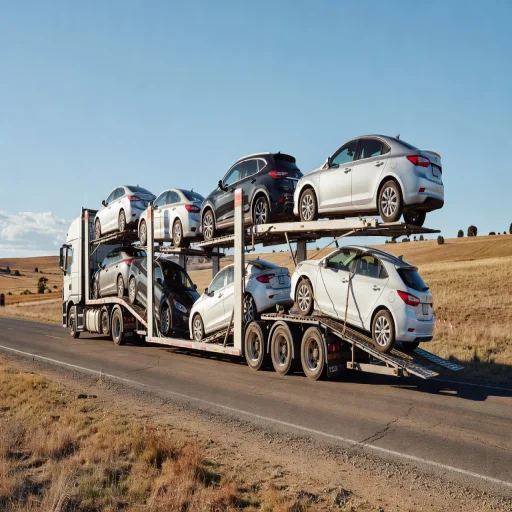




Pricing By Shipping Method
Based on 108 real auto shipments, these examples demonstrate how different transport methods can affect your quotes.
By Vehicle Type
-
Car (Sedan/Coupe) 9,962 shipmentsBaseline
-
SUV / Crossover 10,015 shipments+$107
-
Pickup Truck 1,079 shipments+$286
By Transport Method
-
Driven 0 shipmentsBaseline
-
Open Trailer 767 shipments+$767
-
Enclosed Trailer 0 shipments+$0
Other Popular Cities In Florida
FAQs
Does Shiply Cover My Area?
Yes. There are transport providers using Shiply all over the country and overseas, so whether you need to move something to/from Port St. Lucie, Florida or further afield, we have got you covered.
What Mode Of Transport Will Be Used?
This is your preference, you can choose from various modes of transport available on Shiply. For car shipping this is generally a driven service, transported on an open trailer or transported in an enclosed trailer.
How Can I Contact Shiply Support?
Our friendly support team is always on hand. Simply click on the Help link or email us: . We aim to respond inside a few business hours. If you have an urgent query about a delivery underway, you can contact your driver directly. Full details are in the booking confirmation email and My Shiply.
Who Will Carry Out My Delivery?
Whoever you choose. There are thousands of rated transport providers from Port St. Lucie, Florida on our platform ready to make a bid to carry out your car shipment. It is up to you to decide which quote to accept. We suggest assessing both price and the transport provider's feedback rating and recent reviews before your book.
When Will I Receive A Quote?
You will typically start to receive quotes within 30 minutes. If your delivery is particularly urgent or important, you can try upgrading your delivery request which moves your listing to the top of the search page for shipping companies.
How Many Quotes Will I Receive?
Whilst there is no guarantee of quotes, 98% of listings receive at least 3 quotes, so you are very likely to find a transport provider who services Port St. Lucie, Florida who can undertake the delivery of your vehicle.
Is My Vehicle Insured For Transport to/From Port St. Lucie, Florida?
Yes, it is a requirement for all transport providers on Shiply to have appropriate insurance coverage for the vehicles they transport. However, we also highly recommend purchasing Shiply's protection plan when placing your booking for additional peace of mind in the event of an insurance company or transport provider refusing to pay out.
How Far Out In Advance Should I Schedule Collection?
It is recommended to schedule your collection as early as possible to ensure availability and to allow transport providers sufficient time to plan the logistics of your vehicle's transport. Generally we advise at least two weeks as this gives transport providers enough time to bundle your car shipment with others heading in the same direction, helping to drive down cost. That said, last minute availability is sometimes possible, although it does carry a premium price. So planning ahead is always beneficial.
How Do I Pay For The Car Shipping Service?
When you accept a quote on Shiply, you pay a small deposit, service fee and optional protection plan fee. The remaining balance is paid directly to the transport provider, usually on delivery. Shiply provides a secure platform for communication. It is recommended to discuss payment terms with the provider before confirming your booking.
What Is the Difference Between Open and Enclosed Auto Transport?
Open transport is the most common and cost-effective method, where your vehicle is exposed to the elements on an open trailer. Enclosed transport provides additional protection by keeping your vehicle inside a covered trailer, shielding it from weather and road debris. Enclosed transport is typically more expensive but offers greater security for high-value or classic vehicles.
Is Shiply Auto Transport A Door to Door Service?
Yes, Shiply offers door-to-door auto transport services, meaning your vehicle will be picked up from your specified location and delivered to your desired destination. Typical pickup and delivery locations include home, office or apartments and all are typically fine. Occasionally, there may be restrictions based on the availability of street parking or extremely narrow roads, in those instances the transport provider will discuss nearby alternatives locations with you such as a local parking lot or gas station.
How Is Shiply Different From Other Auto Transport Services?
Shiply offers a unique platform that connects customers with transport providers, allowing for competitive quotes and flexible scheduling. Unlike traditional auto transport services, Shiply provides a transparent and user-friendly experience, ensuring that you can easily compare options and choose the best service for your needs. As transport providers compete for your job, you benefit from securing the best rates in the industry without having to phone around.
What Types of Vehicles Can Shiply Transport?
Shiply can transport a wide range of vehicles, including cars, motorcycles, vans, trucks, and even classic or luxury vehicles. The platform connects you with transport providers who have the appropriate equipment and experience to handle your specific type of vehicle, ensuring safe and reliable transportation. Shiply can also ship electric vehicles.
How Much Does It Cost To Ship A Car to/from Port St. Lucie, Florida?
The cost of shipping a car to or from Port St. Lucie, Florida depends on various factors, including the distance, type of vehicle, and chosen transport method. Shiply provides a platform where you can receive competitive quotes from multiple transport providers, allowing you to find the best rate for your specific needs. But as a general rule of thumb, you can expect a rough cost of around $2.40/mile for shorter distances under 250 miles and $0.84/mile for longer distances above 750 miles.
How Do I Get a Quote For Shipping My Car?
To get a quote for shipping your car, you can use Shiply's platform to submit your vehicle details and transport requirements - just click the get quotes button. Multiple transport providers will then provide you with competitive quotes, allowing you to compare prices and services to find the best option for your needs.
How Do I Stay In Touch With My Transport Provider During Delivery?
To stay in touch with your transport provider during delivery, you can use Shiply's messaging system to communicate directly with them. This allows you to ask questions, provide updates, and coordinate the details of your vehicle transport.
Is It Cheaper To Ship A Car Or Drive It?
It depends on the distance, fuel costs, accommodation, vehicle wear and tear, and the value of your time. For long-distance moves, shipping your car is often surprisingly cost-effective and saves you from putting unnecessary mileage on your vehicle. Shiply's reverse auction marketplace helps you compare competitive quotes so you can decide which option offers the best value.
Is It Worth Shipping A Car?
For many people, yes. Shipping a car can save significant time, reduce stress, avoid adding miles to your vehicle, and eliminate the costs associated with a long road trip. It is particularly worthwhile when relocating, buying a vehicle remotely, transporting a classic or luxury car, or moving across the country.
What Is The Cheapest Way To Ship A Car?
The most affordable option is usually open transport with flexible collection and delivery dates. Booking in advance also helps reduce costs, as transport providers have more opportunity to combine your vehicle with other deliveries travelling in the same direction. On Shiply, providers compete for your listing, helping you secure some of the lowest available prices.
How Long Does It Take To Ship A Car?
Delivery times depend on the distance, route, and transport provider's schedule. Shorter journeys may take just one or two days, while cross-country transport can take around one to two weeks. When reviewing quotes on Shiply, you can discuss estimated collection and delivery dates directly with transport providers before booking.
Can I Track My Vehicle During Transport?
Most transport providers provide regular updates throughout the journey. You can communicate directly with your chosen provider using Shiply's secure messaging system to request progress updates, estimated arrival times, or notify them of any changes during the delivery.
How Much Fuel Should Be Left In My Vehicle?
Most transport providers recommend leaving around a quarter of a tank of fuel. This provides enough fuel for loading and unloading while keeping the vehicle as light as possible, helping to improve safety and efficiency during transport.
What Is Terminal-To-Terminal Car Transport?
Terminal-to-terminal transport involves dropping your vehicle off at a designated collection point and collecting it from another terminal at its destination. While this can sometimes reduce costs, most Shiply transport providers offer the convenience of door-to-door delivery, making terminal transport less common.
Can I Ship Multiple Vehicles At Once?
Yes. Many transport providers can move multiple vehicles in a single shipment, whether you are relocating, buying or selling several vehicles, or arranging transport for a dealership. When creating your listing, simply include details of every vehicle so providers can quote accurately.
Can I Ship A Car I Bought Online Or At Auction?
Absolutely. Many Shiply customers arrange transport for vehicles purchased from dealerships, online marketplaces, auctions, and private sellers. Simply provide the collection and delivery details, and transport providers will submit competitive quotes for your shipment.
Can I Get A Quote Without Providing Personal Details?
Yes. You can request quotes by providing information about your vehicle and delivery requirements without making your personal contact details public. Once you have chosen a transport provider and confirmed your booking, you will be able to communicate directly through Shiply's secure messaging platform.
Can I Get A Quote Without Providing Personal Details?
Yes. You can request quotes by providing information about your vehicle and delivery requirements without making your personal contact details public. Once you have chosen a transport provider and confirmed your booking, you will be able to communicate directly through Shiply's secure messaging platform.
What Is The Safest Way To Ship A Car?
Professional vehicle transport is generally the safest option. For most vehicles, open transport provides excellent protection and value. If you are shipping a classic, luxury, antique, or high-value vehicle, enclosed transport offers additional protection from weather and road debris throughout the journey.
How Do I Choose The Best Car Shipping Company?
Look beyond price alone. Consider customer reviews, feedback ratings, insurance cover, experience, communication, and collection times. Shiply makes it easy to compare all of these factors in one place so you can confidently choose the transport provider that best meets your needs.
Why Do Car Shipping Prices Change Throughout The Year?
Car shipping prices fluctuate with supply and demand. Peak moving periods, holidays, severe weather, and popular relocation seasons can all increase demand for transport services. Booking early and being flexible with your dates can often help you secure lower prices.
How Long Is My Quote Valid?
Each transport provider sets their own quote validity period. Some quotes remain available for several days, while others may be withdrawn sooner if the provider's schedule changes. If you find a quote that suits your requirements, it is generally best to book before availability changes.
Can I Book Car Shipping Without An Exact Collection Address?
In many cases, yes. If you know the general pickup area but not the precise address, you can still create a listing and update the details later. If you change the pickup or delivery location after publishing your listing, existing quotes may need to be refreshed to reflect the new journey.
Can Shiply Transport Electric Vehicles?
Yes. Many transport providers on Shiply regularly transport electric vehicles, including Tesla, Rivian, Polestar, Lucid, Nissan, Hyundai, Kia, and many other makes and models. When creating your listing, simply specify that your vehicle is electric so providers can prepare accordingly if required.
Does Someone Else Have To Be Present If I Can't Attend Collection Or Delivery?
Yes. If you are unavailable, you can usually nominate a trusted friend, family member, colleague, or representative to hand over or receive the vehicle on your behalf. Make sure they have any necessary keys, paperwork, and are aware of the agreed collection or delivery arrangements.
What Happens If My Transport Provider Is Delayed?
Delays can occasionally occur due to traffic, weather, mechanical issues, or changes to delivery schedules. Your transport provider should keep you informed of any changes, and you can contact them at any time through Shiply's messaging system to receive updates.
What Happens If My Vehicle Is Damaged During Transport?
All transport providers on Shiply are required to carry appropriate insurance. Before collection, we recommend photographing your vehicle from multiple angles and noting any existing damage. If damage does occur during transport, you should notify the transport provider immediately and follow their insurance claims process. Purchasing Shiply's protection plan also provides additional peace of mind.
Can I Ship A Classic, Luxury Or Exotic Car?
Yes. Many transport providers specialise in transporting classic, luxury, prestige, and exotic vehicles. For valuable vehicles, enclosed transport is often recommended to provide additional protection from weather, road debris, and other external factors during transit.
What Documents Do I Need To Provide?
To ensure a smooth delivery process, you will need to provide certain documents to your transport provider. These may include your vehicle registration, proof of insurance, and title. Make sure to have these documents ready and accessible for the transport provider.
How Can I Ensure I Choose The Best Car Shipping Company To/From Port St. Lucie, Florida?
To ensure you choose the best car shipping company, consider factors such as customer reviews, insurance coverage, experience, and pricing. All of which can be viewed in one place, here on Shiply. It's important to compare multiple providers and ask questions to make an informed decision.
How Should I Prepare My Car For Shipping?
To ensure your car is ready for shipping, you should clean it thoroughly, remove any personal belongings, and take note of any existing damage. Additionally, make sure your vehicle is in good working condition and has enough fuel for loading and unloading. We also advise taking photos of the car, from multiple angles, to document its condition before transport.
What Time Of Year Is Cheapest For Shipping My Car To/From Port St. Lucie, Florida?
The cost of shipping your car can vary depending on the time of year. Generally, shipping rates are lower during the off-peak seasons, such as late fall and winter, when demand is lower.
Are Car Shipping Quotes Guaranteed?
On Shiply, the price you see is the price you pay. Unlike some other auto transport companies, the quotes provided are guaranteed and will not change unless you make modifications to your request.
Is Open Transport Car Shipping Safe?
Open transport is a common method for shipping cars and is generally safe. Vehicles are securely strapped and covered to protect against road debris and weather conditions. For luxury, antique or classic cars, enclosed transport is recommended for added protection and security.
Can You Negotiate With Car Shipping Providers?
On Shiply, the reverse auction mechanism automatically helps you find the lowest price in the market due to competitive bidding. However, yes, you can also use the messaging system to negotiate with providers. Sometimes if you are able to provide extra flexibility, especially around dates, you may be able to secure a better deal.
What Payment Methods Do You Accept?
Shiply accepts all major debit/credit cards. However, the transport providers themselves may have different payment methods and policies, so it's important to confirm with them directly before you place your booking.
Which Factors Affect Car Shipping Costs The Most?
Several factors can influence the cost of shipping a car, including the distance of the move, the type of transport (open or enclosed), the size and weight of the vehicle, and the time of year. It's important to consider these factors when planning your car shipment.
Can I Travel With My Car?
The majority of car transport providers on Shiply are only insured for the transportation of vehicles, however, some are also able to take people. If you need to travel with your car, make sure to mention this in your listing and to highlight this to any providers who quote on your request.
What If I Need To Cancel My Booking?
If you have accepted a quote and paid the deposit but wish to cancel the delivery, then you should first inform your chosen transport provider that you no longer require the delivery. You should then contact us at to process the cancellation.
Can I Change The Address Of The Delivery?
If you have not yet accepted a quote then you are able to change the address of your delivery request. Note that editing details of your request after publishing will result in active quotes being voided, so you will have to wait for new quotes to come in. If you have already accepted a quote and need to change the address either within Port St. Lucie, Florida or outside the area, please let your transport provider know and contact us at .
Does Someone Have To Be Present For Pickup And Delivery?
In most cases, the car shipping company will require you to be in attendance for the pickup and delivery of the vehicle. This is because there are likely to be release forms that you need to sign, as well as handing over the car keys.
Can I Keep Items In My Vehicle?
Most car transport companies will be fine with you keeping some personal items in the vehicle when it is transported. However, do be aware that the weight of the items may affect the price of the vehicle shipment, and any items in the vehicle will not be covered by insurance for the transport of the car itself.
Can I Transport My Vehicle If It Isn't Running?
You can ship your vehicle if it isn't in running condition, however, this will be more expensive as specialist equipment is required to load and unload the vehicle.
How Shiply works
1
Request quotes from our 523,281 rated shipping companies.
2
Compare prices and read previous customer feedback to pick the right quote for you.
3
Sit back and relax while your car is safely delivered by your chosen shipping company.

The Shiply Advantage
Why Choose Shiply?
Shiply helps you compare quotes from customer-reviewed vehicle transporters who already have space on similar routes, so you can find a safer, simpler way to ship at a better price.
Trusted transport marketplace
4.8/5
Rated Excellent on Trustpilot
Millionsof customers
75%potential savings
4.8/5
Trustpilot rating
Save up to 75%
Transport Providers bid for your job using spare capacity on pre-existing routes.
Compare rated shippers
Review prices, profiles, feedback, and recent customer comments before booking.
Move any vehicle
Arrange local, interstate, long-distance, open, enclosed, or specialist transport.
Support and safety
Dedicated Trust & Safety Team. Friendly support team standing by and ready to help.
Lower impact transport
How Shiply Helps The Environment
By utilizing spare capacity of vehicles running on the road, Shiply helps reduce the number of otherwise wasteful journeys.
127,051,600
kg CO2 saved
Recent Testimonials

Debra W.
Port St. Lucie, Florida
"Communication was great from the time I accepted the quote until the car was dropped off. In terms of the timeline, I was given a potential range for both how soon the car would be picked up and how many days it would be in transport."

Patrick G.
Port St. Lucie, Florida
"Everything was perfect! Fast, easy and hassle-free process! I definitely recommend and would use them again in the future. Thank you so much!"

Sophie G.
Port St. Lucie, Florida
Great experience using these guys. This was my first time having to transport a car using a service like this and I could not be happier. Picked up earlier than expected and delivery was early as well. Quick easy and problem free.

Gary M.
Port St. Lucie, Florida
"I’ve used Shiply twice now and have been really pleased with the result. It’s quick and easy to use. For both occasions the quotes were very competitive and the quality of the job was excellent. I highly recommend it."

4.8/5 Rating
from 4,108 Reviews

Shiply is an official eBay compatible application

4.6/5 Rating
from 28,861 Reviews