Get Quotes Now

Compare
Trusted
Covington Car Shipping Companies

Save time & money - up to 75% off standard rates
Used by millions of happy customers

Current Location

Current Location

Millions of people use Shiply

Fast and Easy

Fast and Easy

Complete one simple form and quotes come to you via email. Hassle-free, no phone calls required.

Trustworthy

Trustworthy

All shipping companies on Shiply are feedback rated for your peace of mind.

Great Prices

Great Prices

As Shiply's shipping companies are already making similar trips, quotes are up to 75% cheaper than standard rates.

Covington, Kentucky - Car Shipping Advice

  1. Car Shipping
  2. Kentucky Car Shipping
  3. Covington Car Shipping
Dan Menzies
Certified by: Dan Menzies Shiply's Auto Transport Expert
Updated 2026 Last updated September 2026

Arranging car shipping in Covington, Kentucky requires a practical understanding of how regional freight networks, urban geography, and carrier logistics intersect. Situated on the southern bank of the Ohio River directly opposite downtown Cincinnati, Covington serves as a vital northern gateway to Kentucky. Long-distance car transport companies operate along major arteries like Interstate 75 and Interstate 71, moving thousands of vehicles each week through this central Midwest transit corridor. However, the physical reality of moving a multi-car carrier through historic riverfront neighborhoods differs greatly from loading a car near an industrial corridor along the Interstate 275 loop. Dispatchers and experienced drivers must balance highway accessibility, trailer weight distribution, and municipal clearance restrictions every time a vehicle enters or leaves the area. Understanding how vehicle transport actually works allows vehicle owners to approach the process with clear expectations. When you request a car shipping quote, you are not simply reserving a seat on a train with a fixed timetable. You are coordinating with an auto transporter managing a rolling schedule influenced by weather, mechanical maintenance, highway weigh stations, and individual customer handoffs across multiple states. Whether you are relocating for a job in the Greater Cincinnati metropolitan area, buying a classic car from an out-of-state seller, or sending a vehicle south for the winter, recognizing the operational mechanics behind auto shipping ensures a smooth, predictable delivery without unwelcome surprises.

Map of Covington, Kentucky, United States

Key Factors in Northern Kentucky Vehicle Transportation

Every successful vehicle shipment comes down to three foundational elements: accurate scheduling expectations, selecting the right equipment class, and clear coordination regarding pickup and drop-off locations. Across the auto transport industry, experienced dispatchers treat transit times and pickup dates as realistic target windows rather than rigid appointments down to the minute. A carrier navigating cross-country car shipping along Interstate 70 or Interstate 75 must account for variable traffic patterns, mandatory Federal Motor Carrier Safety Administration rest breaks, and unpredictable loading delays at prior stops.

The layout of Covington presents distinct physical considerations for large car transport equipment. An eighty-foot stinger-steered car carrier carrying nine vehicles cannot safely navigate the narrow, tree-lined residential streets of historic neighborhoods like Wallace Woods, MainStrasse Village, or the Licking Riverside Historic District. In these dense residential areas, low-hanging utility lines, tight ninety-degree street corners, and parked commuter cars make entry impossible for large rigs. In practice, successful auto transport services in urban Northern Kentucky frequently rely on staging meetings in wide, commercial parking areas near major thoroughfares such as Dixie Highway or retail centers off Interstate 275, ensuring safe equipment operation and preventing property damage.

Pricing across car transport companies reflects operational capacity, fuel expenses, equipment type, and seasonal lane balance rather than distance alone. Transporting a standard sedan along high-volume freight routes usually costs less per mile than moving an oversized sport utility vehicle or a modified truck through secondary corridors. Preparing the car correctly, retaining realistic timing expectations, and maintaining open communication with your assigned carrier form the backbone of a stress-free vehicle transport experience.

Covington, Kentucky, United States

How the Vehicle Transport Process Functions from Start to Finish

The vehicle shipping journey begins when a customer submits vehicle details and route specifications to generate a shipping quote. Dispatchers analyze the year, make, and model of the vehicle alongside the origin and destination postal codes to evaluate trailer space, gross weight limits, and route efficiency. Once a customer accepts an estimate or books through a marketplace platform like Shiply, the load details become available to vetted auto transport companies looking to fill empty slots on their trailers along that specific geographic corridor.

After an auto transporter claims the route, the customer receives a projected pickup window, which generally spans two to three business days. During this window, the truck driver contacts the primary party twenty-four to forty-eight hours in advance to narrow down the estimated time of arrival. On the pickup day, the driver completes a rigorous physical inspection before loading the vehicle onto the trailer. Both the driver and the person releasing the vehicle must carefully review and sign the bill of lading, documenting every pre-existing scratch, dent, paint chip, or mechanical anomaly. This document serves as the legal receipt and baseline condition report for the entire transport service.

During transit, the carrier manages interstate auto transport regulations, tolls, and scheduled rest stops while keeping the dispatch office updated on overall progress. When approaching the destination city, the driver gives the receiving party several hours of advance notice to confirm availability and finalize the precise drop-off location. Upon delivery, the receiving party conducts a second walk-around inspection alongside the driver, comparing the car directly against the original bill of lading before signing off on the final release and settling any remaining balance.

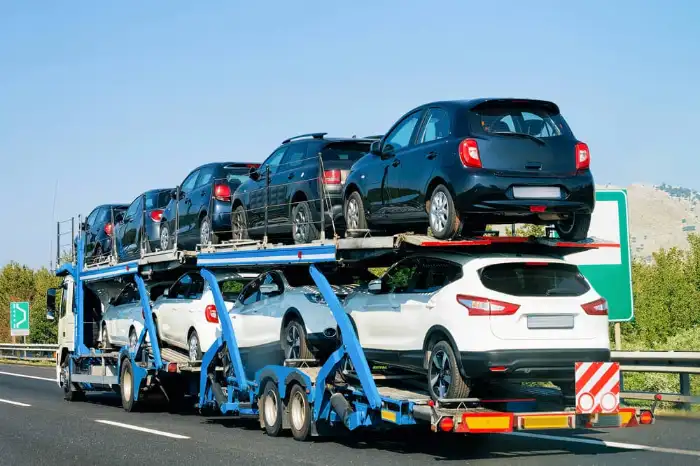
Car transporter loaded with vehicles in Covington, Kentucky, United States

Selecting the Proper Trailer Type for Your Vehicle

Choosing between open transport and enclosed transport represents the most important mechanical decision you will make when you ship a car. Open multi-car carriers represent the vast majority of vehicle transport nationwide. These trailers utilize a two-tier steel framework capable of hauling between seven and ten automobiles simultaneously. Open auto shipping remains the most cost-effective solution for standard daily drivers, fleet vehicles, and light trucks. While vehicles on open trailers are naturally exposed to ambient highway weather, rain, road dust, and minor surface grime, major damage remains exceptionally rare when dealing with reputable transport companies.

Enclosed car shipping provides a climate-controlled, fully protected environment designed specifically for high-value assets. Collectors moving a vintage classic car, owners of exotic supercars, or buyers transporting factory-new luxury vehicles routinely opt for an enclosed carrier. These trailers feature solid hard-sided or heavy-duty soft-sided walls that completely shield the cargo from road debris, tree branches, hail, and harsh winter road salt commonly encountered around the Ohio Valley. Furthermore, top-tier enclosed transport units often utilize horizontal hydraulic lift gates rather than traditional angled loading ramps, ensuring that low-clearance sports cars avoid undercarriage scraping during the loading sequence.

Specialized transport solutions exist for vehicles that fall outside normal consumer specifications. Inoperable automobiles require a car carrier equipped with a heavy-duty electric winch and specialized snatch blocks to pull the rolling chassis onto the deck safely without drivetrain engagement. Lifted pickup trucks, dual-rear-wheel work vehicles, and heavily modified passenger cars demand extra physical clearance and heavier gross-weight allocation on the trailer deck. As a result, carriers charge a premium for modified transport because these oversized vehicles occupy physical space that might otherwise accommodate two compact cars.

Customer with their delivered car in Covington, Kentucky, United States

Preparing Your Vehicle for Interstate Transportation

Proper pre-transport vehicle preparation safeguards your car during transit and prevents unnecessary delays on the day of loading. The preparation process starts with thoroughly washing the vehicle exterior. A clean car allows both you and the auto transporter to clearly identify and document any pre-existing exterior blemishes on the initial bill of lading inspection report. Taking clear, high-resolution photographs of all four body panels, the roof, wheels, glass, and interior upholstery in broad daylight provides valuable documentation should any dispute arise later.

Carriers strongly recommend reducing the fuel tank level to roughly one-quarter full before handoff. A full tank of gasoline adds unnecessary weight to the car carrier, which operates under strict Department of Transportation axle weight restrictions. A quarter tank ensures sufficient fuel for the driver to maneuver the vehicle on and off the trailer decks during intermediate loading adjustments while keeping total trailer weight down. Additionally, verify that all vehicle tires are properly inflated to their recommended pressure, the battery is fully charged and securely mounted, and all vehicle fluids are topped off with no active leaks that could drip onto lower-deck vehicles.

Federal motor carrier regulations prohibit transport companies from operating as household moving companies. While many auto transport services permit up to one hundred pounds of personal belongings contained within a secured box or duffel bag in the trunk area, personal items placed in the cabin are strictly discouraged. Loose personal goods inside the passenger cabin obstruct driver visibility during loading, add unmanifested weight, and are not covered under the carrier commercial cargo insurance policy. Finally, deactivate or remove toll transponders such as EZPass or I-PASS to avoid triggering automated toll booth charges as the open carrier passes beneath highway overhead sensors.

Customer discussing car shipping options in Covington, Kentucky, United States

Logistical Factors Influencing Vehicle Shipping Rates

The total car shipping cost is determined by an interconnected set of logistical variables rather than a simple per-mile calculation. Total route distance serves as the baseline, but route density often carries equal weight. Shipping along major interstate corridors connecting large metropolitan areas tends to produce lower per-mile rates because carriers can rapidly assemble a full load of vehicles. Conversely, routes requiring a driver to divert substantial distances off main interstate highways into remote rural zones demand higher compensation to offset the extra fuel, time, and deadhead miles required.

Vehicle dimensions, curb weight, and configuration play an immediate role in final pricing. The continuous growth of consumer electric vehicles has introduced new weight calculations for auto transport companies. Battery-electric passenger cars weigh significantly more than internal-combustion vehicles of similar physical proportions. Because an auto transporter must comply with an eighty-thousand-pound federal gross vehicle weight limit across its entire rig, a carrier hauling multiple heavy electric vehicles can accommodate fewer total cars on the trailer, necessitating a slightly higher individual rate to maintain load profitability.

Seasonal demand shifts heavily dictate pricing fluctuations throughout the calendar year. In the late autumn, thousands of seasonal travelers and snowbirds arrange vehicle shipping from the Midwest and Northeast toward Florida, Arizona, and the Gulf Coast. During this window, southbound capacity along the Interstate 75 corridor tightening rapidly pushes southbound shipping rates upward, while northbound rates drop as carriers seek backhauls. Severe winter weather conditions in northern Kentucky and across the Midwest also influence operating costs, as icy road conditions and freezing temperatures slow transit velocity and reduce carrier availability.

Car transporter parked in an industrial area of Covington, Kentucky, United States

Evaluating Auto Transporters and Selecting the Right Provider

Finding the best car shipping partner requires understanding the distinction between licensed auto transport brokers and independent motor carriers. Brokers operate as logistical intermediaries who maintain vast networks of licensed carriers, using freight matching technology and dispatch coordination to find an available truck for your specific route. Motor carriers are the actual owner-operators and fleet companies that own the trucks, hold the commercial insurance policies, and physically move the metal across the highways. Marketplace systems like Shiply allow consumers to receive competitive bids from both independent carriers and established transport management companies within a single transparent interface.

Beware of companies that offer extraordinarily low instant quote pricing substantially below the prevailing market average. In the vehicle transport sector, an unrealistically low price often signals an aggressive broker seeking an upfront deposit before attempting to find an actual trucker willing to haul the car at that sub-market rate. When no carrier accepts the unprofitable run, the shipment sits unassigned for weeks, creating significant customer frustration. Legitimate transport services provide realistic pricing based on current load-to-truck ratios, prevailing diesel fuel averages, and actual driver capacity.

Before committing to any car shipping services, verify the operating credentials of the company handling your order. Legitimate carriers and brokers operating in interstate commerce must hold active operating authority registered with the Federal Motor Carrier Safety Administration. You can verify their USDOT number and Motor Carrier (MC) number through public government databases to check their safety history, active insurance filings, and licensing status. Reading authentic customer feedback on independent platforms provides practical insight into how a provider handles communication, transit timelines, and claims resolution.

Car transporter with the Covington, Kentucky, United States skyline behind it

Cargo Insurance, Liability, and Safety Standards

A legitimate auto transporter carries commercial auto liability and direct cargo insurance to protect client vehicles against accidental physical damage, fire, or collision during transit. Standard carrier cargo insurance coverage typically ranges from one hundred thousand dollars on smaller multi-car trailers up to five hundred thousand dollars or more on large ten-car haulers and specialized enclosed trailers. Before releasing your keys to the driver, ask for a copy of the carrier active Certificate of Insurance and verify that the policy remains current with their listed insurance underwriter.

Understanding the precise scope of carrier liability prevents major misunderstandings in the rare event of an incident. Carrier cargo insurance is designed to cover direct transit-related damage resulting from mechanical accidents, equipment failures, operator negligence, or trailer impacts. However, standard policies explicitly exclude coverage for pre-existing mechanical failures, dry-rotted tires that blow out under normal handling, stone chips caused by ordinary highway debris on open transport, and loose personal items left unsecured within the passenger compartment.

Your primary defense against damage claims complications is the bill of lading. Take your time during the initial vehicle inspection at pickup and never rush through the final walk-around inspection at delivery, even if the driver is facing a tight schedule. Ensure that every noticeable mark, underbody scrape, or windshield imperfection is clearly marked on the physical or electronic form. If damage occurs during transit, you must document the new condition on the delivery receipt before the driver leaves the premises and submit clear photographic evidence to the carrier claims department within the designated reporting window.

Multi-level car carrier on the highway to Covington, Kentucky, United States

Practical Best Practices and Mistakes to Avoid

One common mistake vehicle owners make is failing to prepare for unexpected transit schedule adjustments. While auto transport companies strive for punctuality, commercial freight involves moving variables that cannot be completely controlled. Mechanical breakdowns, mandatory safety inspections at highway weigh stations, severe weather across the Appalachian foothills, and regional traffic congestion frequently cause slight pickup and delivery adjustments. Building a cushion of one or two days around your target schedule prevents travel disruptions, especially if you are coordinating vehicle delivery alongside airline flights or moving companies.

Another critical practice is ensuring an authorized adult representative is physically present at both the origin and destination points. If your personal work schedule prevents you from meeting the car carrier directly, you can officially appoint a trusted friend, family member, or professional contact to handle the walk-around inspection and sign the bill of lading on your behalf. Make sure this designated representative understands the importance of inspecting the vehicle thoroughly, has access to the vehicle keys, and knows how to contact you immediately if any logistical questions arise during handoff.

Communication is the cornerstone of a hassle-free transport experience. Provide your carrier with multiple contact telephone numbers and keep your phone accessible during the scheduled delivery window. If your residential neighborhood features narrow access roads, sharp hill inclines, or low-hanging overhead power lines, notify the dispatch team upfront so the driver can plan an alternate meeting spot in advance. Clear transparency regarding vehicle operability is equally vital; springing a dead battery, flat tire, or faulty transmission on a driver without warning can result in refusal of service or substantial dry-run fees.

Car delivered to a driveway in Covington, Kentucky, United States

Navigating Covington Geography, Corridors, and Regulations

Covington occupies a unique logistical position directly across the river from Cincinnati, acting as the primary hub for traffic flowing through Northern Kentucky along the Interstate 75 and Interstate 71 convergence. The heavily traveled Brent Spence Bridge corridor carries massive volumes of interstate freight across the Ohio River daily. Due to ongoing regional infrastructure improvements, lane shifts, and peak-hour traffic bottlenecks along the bridge approaches, car carriers often schedule local Covington collections and deliveries during mid-day off-peak hours or early mornings to avoid severe highway gridlock.

The local topography and historical urban development of Covington require strategic route navigation for commercial car haulers. Neighborhoods south of the river, including MainStrasse Village, Helentown, and Old Town, are defined by narrow, one-way residential streets originally built long before modern eighty-foot commercial trailers existed. In addition, the steep hills climbing toward Devou Park, Park Hills, and Fort Wright feature sharp switchbacks and tight road envelopes that commercial car haulers cannot safely navigate. Drivers handling deliveries in these residential pockets typically arrange customer handoffs at accessible public parking facilities near the 12th Street corridor, along Madison Avenue, or at retail plazas off the Interstate 275 beltway near Crestview Hills or Florence.

Regional seasonal weather patterns directly influence transportation safety throughout the Ohio River valley. Winters in Northern Kentucky bring freezing rain, heavy snowfall, and sudden icing along the elevated highway bridges, which can temporarily slow down transit operations between the Midwest and southern destinations. During the spring months, heavy regional rains occasionally cause riverfront water level rises along the Ohio and Licking rivers, prompting temporary street closures in low-lying portions of Kenton and Campbell counties. Auto transport companies familiar with the Greater Cincinnati tri-state market proactively route around these local conditions to keep deliveries moving safely.

Vehicle owner beside their delivered car in Covington, Kentucky, United States

Using Shiply for Your Northern Kentucky Car Transport

Securing reliable vehicle shipping does not have to involve endless phone calls to individual dispatchers or submitting your personal contact details to automated quote-harvesting websites. Marketplace platforms like Shiply streamline the auto shipping experience by putting your specific route up for review among an extensive network of verified, rated transport providers. Once you list your vehicle details and timeline requirements, independent owner-operators and transport management companies offer direct, competitive bids based on real-time trailer availability along your designated travel lane.

This marketplace model allows you to compare multiple car shipping quotes side by side while evaluating genuine driver reviews, track records, and equipment capabilities at your own pace. Instead of being locked into a rigid pricing structure, you benefit from carriers competing for your business, particularly those looking to fill an empty final spot on an existing route through the Northern Kentucky corridor. With clear communication channels, transparent pricing, and straightforward verification of carrier credentials, you can confidently arrange door-to-door vehicle delivery tailored to your exact budget and timeframe.

Based on 108 real auto shipments, these examples demonstrate how different transport methods can affect your quotes.

By Vehicle Type

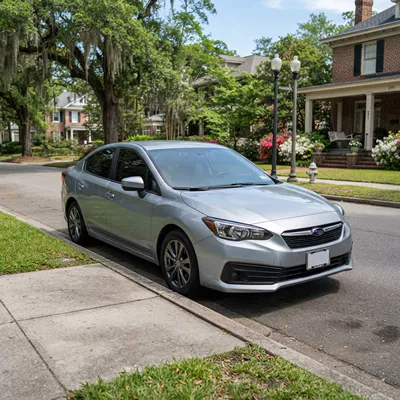
  • Car (Sedan/Coupe) 9,962 shipments
    Baseline
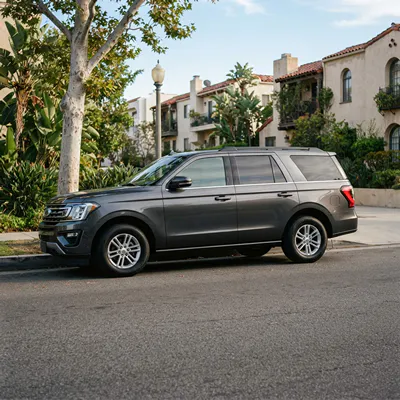
  • SUV / Crossover 10,015 shipments
    +$107
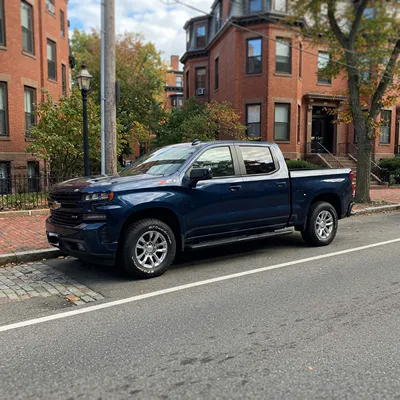
  • Pickup Truck 1,079 shipments
    +$286

By Transport Method

  • Driven 0 shipments
    Baseline
  • Open Trailer 767 shipments
    +$767
  • Enclosed Trailer 0 shipments
    +$0

FAQs

Does Shiply Cover My Area?

Yes. There are transport providers using Shiply all over the country and overseas, so whether you need to move something to/from Covington, Kentucky or further afield, we have got you covered.

What Mode Of Transport Will Be Used?

This is your preference, you can choose from various modes of transport available on Shiply. For car shipping this is generally a driven service, transported on an open trailer or transported in an enclosed trailer.

How Can I Contact Shiply Support?

Our friendly support team is always on hand. Simply click on the Help link or email us: . We aim to respond inside a few business hours. If you have an urgent query about a delivery underway, you can contact your driver directly. Full details are in the booking confirmation email and My Shiply.

Who Will Carry Out My Delivery?

Whoever you choose. There are thousands of rated transport providers from Covington, Kentucky on our platform ready to make a bid to carry out your car shipment. It is up to you to decide which quote to accept. We suggest assessing both price and the transport provider's feedback rating and recent reviews before your book.

When Will I Receive A Quote?

You will typically start to receive quotes within 30 minutes. If your delivery is particularly urgent or important, you can try upgrading your delivery request which moves your listing to the top of the search page for shipping companies.

How Many Quotes Will I Receive?

Whilst there is no guarantee of quotes, 98% of listings receive at least 3 quotes, so you are very likely to find a transport provider who services Covington, Kentucky who can undertake the delivery of your vehicle.

Is My Vehicle Insured For Transport to/From Covington, Kentucky?

Yes, it is a requirement for all transport providers on Shiply to have appropriate insurance coverage for the vehicles they transport. However, we also highly recommend purchasing Shiply's protection plan when placing your booking for additional peace of mind in the event of an insurance company or transport provider refusing to pay out.

How Far Out In Advance Should I Schedule Collection?

It is recommended to schedule your collection as early as possible to ensure availability and to allow transport providers sufficient time to plan the logistics of your vehicle's transport. Generally we advise at least two weeks as this gives transport providers enough time to bundle your car shipment with others heading in the same direction, helping to drive down cost. That said, last minute availability is sometimes possible, although it does carry a premium price. So planning ahead is always beneficial.

How Do I Pay For The Car Shipping Service?

When you accept a quote on Shiply, you pay a small deposit, service fee and optional protection plan fee. The remaining balance is paid directly to the transport provider, usually on delivery. Shiply provides a secure platform for communication. It is recommended to discuss payment terms with the provider before confirming your booking.

What Is the Difference Between Open and Enclosed Auto Transport?

Open transport is the most common and cost-effective method, where your vehicle is exposed to the elements on an open trailer. Enclosed transport provides additional protection by keeping your vehicle inside a covered trailer, shielding it from weather and road debris. Enclosed transport is typically more expensive but offers greater security for high-value or classic vehicles.

Is Shiply Auto Transport A Door to Door Service?

Yes, Shiply offers door-to-door auto transport services, meaning your vehicle will be picked up from your specified location and delivered to your desired destination. Typical pickup and delivery locations include home, office or apartments and all are typically fine. Occasionally, there may be restrictions based on the availability of street parking or extremely narrow roads, in those instances the transport provider will discuss nearby alternatives locations with you such as a local parking lot or gas station.

How Is Shiply Different From Other Auto Transport Services?

Shiply offers a unique platform that connects customers with transport providers, allowing for competitive quotes and flexible scheduling. Unlike traditional auto transport services, Shiply provides a transparent and user-friendly experience, ensuring that you can easily compare options and choose the best service for your needs. As transport providers compete for your job, you benefit from securing the best rates in the industry without having to phone around.

What Types of Vehicles Can Shiply Transport?

Shiply can transport a wide range of vehicles, including cars, motorcycles, vans, trucks, and even classic or luxury vehicles. The platform connects you with transport providers who have the appropriate equipment and experience to handle your specific type of vehicle, ensuring safe and reliable transportation. Shiply can also ship electric vehicles.

How Much Does It Cost To Ship A Car to/from Covington, Kentucky?

The cost of shipping a car to or from Covington, Kentucky depends on various factors, including the distance, type of vehicle, and chosen transport method. Shiply provides a platform where you can receive competitive quotes from multiple transport providers, allowing you to find the best rate for your specific needs. But as a general rule of thumb, you can expect a rough cost of around $2.40/mile for shorter distances under 250 miles and $0.84/mile for longer distances above 750 miles.

How Do I Get a Quote For Shipping My Car?

To get a quote for shipping your car, you can use Shiply's platform to submit your vehicle details and transport requirements - just click the get quotes button. Multiple transport providers will then provide you with competitive quotes, allowing you to compare prices and services to find the best option for your needs.

How Do I Stay In Touch With My Transport Provider During Delivery?

To stay in touch with your transport provider during delivery, you can use Shiply's messaging system to communicate directly with them. This allows you to ask questions, provide updates, and coordinate the details of your vehicle transport.

Is It Cheaper To Ship A Car Or Drive It?

It depends on the distance, fuel costs, accommodation, vehicle wear and tear, and the value of your time. For long-distance moves, shipping your car is often surprisingly cost-effective and saves you from putting unnecessary mileage on your vehicle. Shiply's reverse auction marketplace helps you compare competitive quotes so you can decide which option offers the best value.

Is It Worth Shipping A Car?

For many people, yes. Shipping a car can save significant time, reduce stress, avoid adding miles to your vehicle, and eliminate the costs associated with a long road trip. It is particularly worthwhile when relocating, buying a vehicle remotely, transporting a classic or luxury car, or moving across the country.

What Is The Cheapest Way To Ship A Car?

The most affordable option is usually open transport with flexible collection and delivery dates. Booking in advance also helps reduce costs, as transport providers have more opportunity to combine your vehicle with other deliveries travelling in the same direction. On Shiply, providers compete for your listing, helping you secure some of the lowest available prices.

How Long Does It Take To Ship A Car?

Delivery times depend on the distance, route, and transport provider's schedule. Shorter journeys may take just one or two days, while cross-country transport can take around one to two weeks. When reviewing quotes on Shiply, you can discuss estimated collection and delivery dates directly with transport providers before booking.

Can I Track My Vehicle During Transport?

Most transport providers provide regular updates throughout the journey. You can communicate directly with your chosen provider using Shiply's secure messaging system to request progress updates, estimated arrival times, or notify them of any changes during the delivery.

How Much Fuel Should Be Left In My Vehicle?

Most transport providers recommend leaving around a quarter of a tank of fuel. This provides enough fuel for loading and unloading while keeping the vehicle as light as possible, helping to improve safety and efficiency during transport.

What Is Terminal-To-Terminal Car Transport?

Terminal-to-terminal transport involves dropping your vehicle off at a designated collection point and collecting it from another terminal at its destination. While this can sometimes reduce costs, most Shiply transport providers offer the convenience of door-to-door delivery, making terminal transport less common.

Can I Ship Multiple Vehicles At Once?

Yes. Many transport providers can move multiple vehicles in a single shipment, whether you are relocating, buying or selling several vehicles, or arranging transport for a dealership. When creating your listing, simply include details of every vehicle so providers can quote accurately.

Can I Ship A Car I Bought Online Or At Auction?

Absolutely. Many Shiply customers arrange transport for vehicles purchased from dealerships, online marketplaces, auctions, and private sellers. Simply provide the collection and delivery details, and transport providers will submit competitive quotes for your shipment.

Can I Get A Quote Without Providing Personal Details?

Yes. You can request quotes by providing information about your vehicle and delivery requirements without making your personal contact details public. Once you have chosen a transport provider and confirmed your booking, you will be able to communicate directly through Shiply's secure messaging platform.

Can I Get A Quote Without Providing Personal Details?

Yes. You can request quotes by providing information about your vehicle and delivery requirements without making your personal contact details public. Once you have chosen a transport provider and confirmed your booking, you will be able to communicate directly through Shiply's secure messaging platform.

What Is The Safest Way To Ship A Car?

Professional vehicle transport is generally the safest option. For most vehicles, open transport provides excellent protection and value. If you are shipping a classic, luxury, antique, or high-value vehicle, enclosed transport offers additional protection from weather and road debris throughout the journey.

How Do I Choose The Best Car Shipping Company?

Look beyond price alone. Consider customer reviews, feedback ratings, insurance cover, experience, communication, and collection times. Shiply makes it easy to compare all of these factors in one place so you can confidently choose the transport provider that best meets your needs.

Why Do Car Shipping Prices Change Throughout The Year?

Car shipping prices fluctuate with supply and demand. Peak moving periods, holidays, severe weather, and popular relocation seasons can all increase demand for transport services. Booking early and being flexible with your dates can often help you secure lower prices.

How Long Is My Quote Valid?

Each transport provider sets their own quote validity period. Some quotes remain available for several days, while others may be withdrawn sooner if the provider's schedule changes. If you find a quote that suits your requirements, it is generally best to book before availability changes.

Can I Book Car Shipping Without An Exact Collection Address?

In many cases, yes. If you know the general pickup area but not the precise address, you can still create a listing and update the details later. If you change the pickup or delivery location after publishing your listing, existing quotes may need to be refreshed to reflect the new journey.

Can Shiply Transport Electric Vehicles?

Yes. Many transport providers on Shiply regularly transport electric vehicles, including Tesla, Rivian, Polestar, Lucid, Nissan, Hyundai, Kia, and many other makes and models. When creating your listing, simply specify that your vehicle is electric so providers can prepare accordingly if required.

Does Someone Else Have To Be Present If I Can't Attend Collection Or Delivery?

Yes. If you are unavailable, you can usually nominate a trusted friend, family member, colleague, or representative to hand over or receive the vehicle on your behalf. Make sure they have any necessary keys, paperwork, and are aware of the agreed collection or delivery arrangements.

What Happens If My Transport Provider Is Delayed?

Delays can occasionally occur due to traffic, weather, mechanical issues, or changes to delivery schedules. Your transport provider should keep you informed of any changes, and you can contact them at any time through Shiply's messaging system to receive updates.

What Happens If My Vehicle Is Damaged During Transport?

All transport providers on Shiply are required to carry appropriate insurance. Before collection, we recommend photographing your vehicle from multiple angles and noting any existing damage. If damage does occur during transport, you should notify the transport provider immediately and follow their insurance claims process. Purchasing Shiply's protection plan also provides additional peace of mind.

Can I Ship A Classic, Luxury Or Exotic Car?

Yes. Many transport providers specialise in transporting classic, luxury, prestige, and exotic vehicles. For valuable vehicles, enclosed transport is often recommended to provide additional protection from weather, road debris, and other external factors during transit.

What Documents Do I Need To Provide?

To ensure a smooth delivery process, you will need to provide certain documents to your transport provider. These may include your vehicle registration, proof of insurance, and title. Make sure to have these documents ready and accessible for the transport provider.

How Can I Ensure I Choose The Best Car Shipping Company To/From Covington, Kentucky?

To ensure you choose the best car shipping company, consider factors such as customer reviews, insurance coverage, experience, and pricing. All of which can be viewed in one place, here on Shiply. It's important to compare multiple providers and ask questions to make an informed decision.

How Should I Prepare My Car For Shipping?

To ensure your car is ready for shipping, you should clean it thoroughly, remove any personal belongings, and take note of any existing damage. Additionally, make sure your vehicle is in good working condition and has enough fuel for loading and unloading. We also advise taking photos of the car, from multiple angles, to document its condition before transport.

What Time Of Year Is Cheapest For Shipping My Car To/From Covington, Kentucky?

The cost of shipping your car can vary depending on the time of year. Generally, shipping rates are lower during the off-peak seasons, such as late fall and winter, when demand is lower.

Are Car Shipping Quotes Guaranteed?

On Shiply, the price you see is the price you pay. Unlike some other auto transport companies, the quotes provided are guaranteed and will not change unless you make modifications to your request.

Is Open Transport Car Shipping Safe?

Open transport is a common method for shipping cars and is generally safe. Vehicles are securely strapped and covered to protect against road debris and weather conditions. For luxury, antique or classic cars, enclosed transport is recommended for added protection and security.

Can You Negotiate With Car Shipping Providers?

On Shiply, the reverse auction mechanism automatically helps you find the lowest price in the market due to competitive bidding. However, yes, you can also use the messaging system to negotiate with providers. Sometimes if you are able to provide extra flexibility, especially around dates, you may be able to secure a better deal.

What Payment Methods Do You Accept?

Shiply accepts all major debit/credit cards. However, the transport providers themselves may have different payment methods and policies, so it's important to confirm with them directly before you place your booking.

Which Factors Affect Car Shipping Costs The Most?

Several factors can influence the cost of shipping a car, including the distance of the move, the type of transport (open or enclosed), the size and weight of the vehicle, and the time of year. It's important to consider these factors when planning your car shipment.

Can I Travel With My Car?

The majority of car transport providers on Shiply are only insured for the transportation of vehicles, however, some are also able to take people. If you need to travel with your car, make sure to mention this in your listing and to highlight this to any providers who quote on your request.

What If I Need To Cancel My Booking?

If you have accepted a quote and paid the deposit but wish to cancel the delivery, then you should first inform your chosen transport provider that you no longer require the delivery. You should then contact us at to process the cancellation.

Can I Change The Address Of The Delivery?

If you have not yet accepted a quote then you are able to change the address of your delivery request. Note that editing details of your request after publishing will result in active quotes being voided, so you will have to wait for new quotes to come in. If you have already accepted a quote and need to change the address either within Covington, Kentucky or outside the area, please let your transport provider know and contact us at .

Does Someone Have To Be Present For Pickup And Delivery?

In most cases, the car shipping company will require you to be in attendance for the pickup and delivery of the vehicle. This is because there are likely to be release forms that you need to sign, as well as handing over the car keys.

Can I Keep Items In My Vehicle?

Most car transport companies will be fine with you keeping some personal items in the vehicle when it is transported. However, do be aware that the weight of the items may affect the price of the vehicle shipment, and any items in the vehicle will not be covered by insurance for the transport of the car itself.

Can I Transport My Vehicle If It Isn't Running?

You can ship your vehicle if it isn't in running condition, however, this will be more expensive as specialist equipment is required to load and unload the vehicle.


How Shiply works

1
Request quotes from our 523,281 rated shipping companies.
2
Compare prices and read previous customer feedback to pick the right quote for you.
3
Sit back and relax while your car is safely delivered by your chosen shipping company.
How Shiply works
The Shiply Advantage

Why Choose Shiply?

Shiply helps you compare quotes from customer-reviewed vehicle transporters who already have space on similar routes, so you can find a safer, simpler way to ship at a better price.

Trusted transport marketplace 4.8/5 Rated Excellent on Trustpilot
Millionsof customers
75%potential savings
4.8/5 Trustpilot rating

Save up to 75%

Transport Providers bid for your job using spare capacity on pre-existing routes.

Compare rated shippers

Review prices, profiles, feedback, and recent customer comments before booking.

Move any vehicle

Arrange local, interstate, long-distance, open, enclosed, or specialist transport.

Support and safety

Dedicated Trust & Safety Team. Friendly support team standing by and ready to help.

Lower impact transport

How Shiply Helps The Environment

By utilizing spare capacity of vehicles running on the road, Shiply helps reduce the number of otherwise wasteful journeys.

127,051,600 kg CO2 saved

Recent Testimonials

4.8/5 Rating

from 4,108 Reviews

Shiply is an official eBay compatible application

4.6/5 Rating

from 28,861 Reviews

Need Car Shipping quotes?