Compare Trusted Seattle Car Shipping Companies
Save time & money - up to 75% off standard rates
Used by millions of happy customers
Millions of people use Shiply
Fast and Easy
Complete one simple form and quotes come to you via email. Hassle-free, no phone calls required.
Trustworthy
All shipping companies on Shiply are feedback rated for your peace of mind.
Great Prices
As Shiply's shipping companies are already making similar trips, quotes are up to 75% cheaper than standard rates.
Seattle, Washington - Car Shipping Advice
Arranging car shipping into or out of Seattle requires an understanding of how freight actually moves through the Pacific Northwest. Because the Puget Sound region sits in the upper northwest corner of the continental United States, it operates largely as a destination terminal rather than a pass-through hub. Auto transport carriers operating along the Interstate 5 corridor or hauling freight across Interstate 90 must plan their routes meticulously to avoid empty backhauls. For customers looking to ship a car, this geographical reality directly influences transit times, trailer availability, and carrier pricing. Whether relocating to take a position in the regional tech sector, sending a vehicle south for the winter, or managing a cross-country car shipping order from an out-of-state dealership, navigating the auto transport market becomes straightforward once you understand how carriers, dispatchers, and brokers coordinate schedules.

Navigating Auto Transport in the Pacific Northwest
Successful vehicle transport in the Seattle metropolitan area relies on understanding route geography, trailer dynamics, and timing. Long-haul car carrier rigs measuring up to eighty feet in length face distinct navigational hurdles in Western Washington. Steep topography in neighborhoods like Queen Anne and Capitol Hill, combined with dense tree canopies, narrow residential streets, and overhead transit trolley wires, means that true door-to-door shipping often involves meeting your driver at a nearby commercial staging area. Large shopping center parking lots in adjacent communities like Tukwila, Bellevue, or Lynnwood frequently serve as safe, accessible hand-off points where a multi-car transporter can load and unload without risking structural or vehicular damage.
Seasonal weather patterns also shape transport reliability across the region. While rain is a constant factor within the Puget Sound basin, cross-country routes heading east on I-90 must negotiate Snoqualmie Pass, where winter traction laws and periodic closures can adjust transit schedules by hours or days. Dispatchers constantly monitor these mountain passes to protect cargo and maintain regulatory driving hour limits. Planning your auto shipping with realistic delivery windows rather than rigid calendar hours prevents unnecessary frustration and ensures that carriers can prioritize the safe delivery of your vehicle.

The Vehicle Transport Process Step by Step
The journey begins when you list your vehicle details and route to generate a shipping quote. On marketplace platforms like Shiply, your request is presented to an extensive network of rated transport companies and independent carriers who evaluate the route based on their current capacity and scheduled lane traffic. Once you review competing quotes and select an auto transporter that aligns with your timeline and budget, the assigned dispatcher begins building the truck schedule and assigns a specific pickup window.
Because interstate auto transport involves managing multiple vehicle drops across several states, pickup and delivery dates are scheduled within windows rather than exact hours. A typical pickup window ranges between one and three days. During this timeframe, the carrier contacts you directly to provide estimated arrival updates. When the driver arrives, both parties conduct a thorough pre-trip inspection. Every scratch, paint chip, or pre-existing indentation is recorded on the original inspection sheet, formally known as the bill of lading. Both you and the driver sign this physical or digital document before the carrier loads your vehicle onto the trailer.
Once secured on the truck, your vehicle travels along established freight corridors toward its destination. The driver manages mandated rest breaks, state weigh station inspections, and potential route diversions along the way. As the car delivery nears completion, the carrier reaches out to coordinate the final hand-off location and approximate arrival time. Upon arrival, you or your designated representative perform a joint post-trip inspection using the initial bill of lading as a comparative baseline. Once you confirm the vehicle matches its original condition, you sign the completed bill of lading, settle any remaining balance if designated as cash on delivery, and take possession of your keys.

Selecting the Right Transportation Method
Car transport companies primarily utilize two primary methods for moving vehicles across the country: open transport and enclosed transport. Deciding between them depends on your budget, the vehicle type, and your tolerance for road exposure during transit.
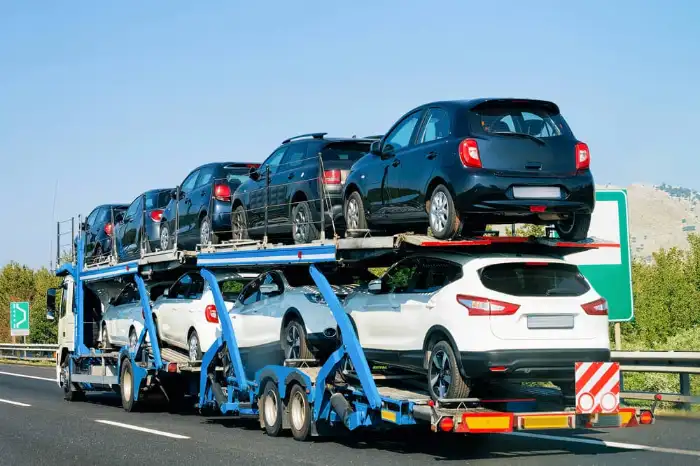
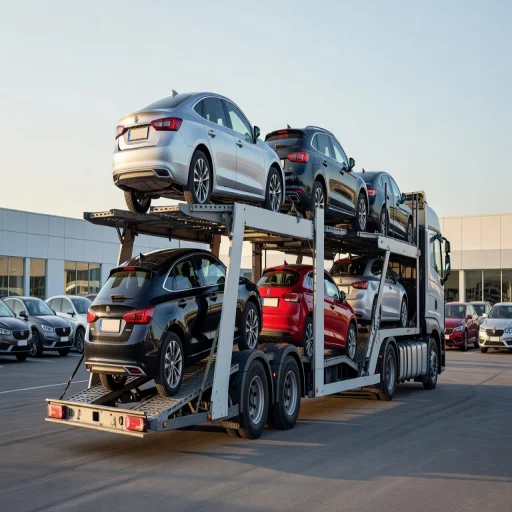
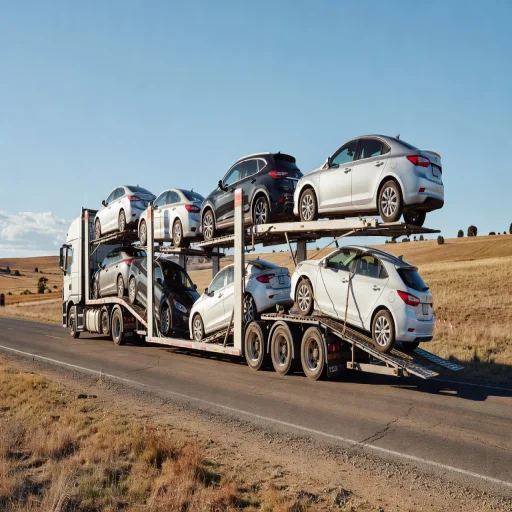
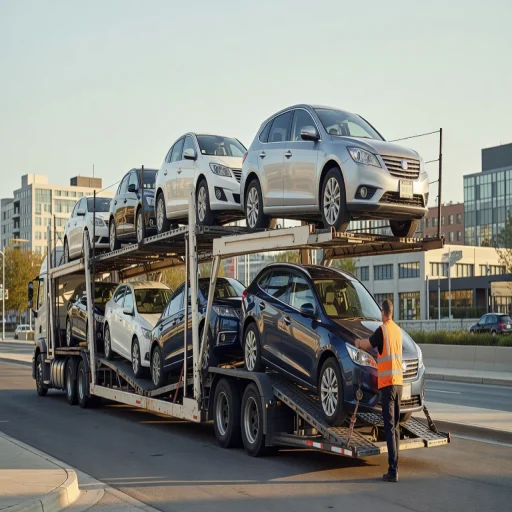
Open transport represents the backbone of the auto shipping industry, accounting for roughly ninety percent of all vehicle moves nationwide. Open trailers carry between seven and ten cars across two tiers. This method offers the most cost-effective shipping service because carriers can distribute fuel and operational overhead across multiple units. The primary trade-off is environmental exposure. Vehicles on open carriers encounter the same road grime, rain, highway gravel, and ambient weather they would experience during a standard road trip. For daily drivers, standard sedans, light trucks, and family sport utility vehicles, open transport delivers reliable protection and the widest availability of active routes running through the I-5 and I-90 corridors.
Enclosed transport utilizes fully covered trailers with solid or hard-sided walls that shield cargo entirely from weather, road debris, and curious onlookers. Enclosed car carriers typically haul between two and six vehicles at a time, often utilizing specialized hydraulic lift gates to load vehicles with extremely low ground clearance without scraping the undercarriage. This transport service commands a premium price, generally running thirty to sixty percent higher than open shipping. It is the preferred choice for a vintage classic car, an exotic sports car, high-value luxury vehicles, or restored show models heading to regional exhibitions or private collections in communities like Medina or Mercer Island.
You may also encounter choices between terminal shipping and door-to-door shipping. In terminal shipping, you drop off and retrieve your vehicle at a dedicated freight lot. While this can offer flexible timing for people with erratic schedules, long-term storage fees and secondary handling can introduce unnecessary complications. Door-to-door shipping remains the industry standard, wherein the auto transporter brings the rig as close to your residential address as physical road geometry and municipal parking ordinances legally permit.

Preparing Your Vehicle for Safe Transport
Proper preparation streamlines the loading process and prevents avoidable transit delays. Taking specific steps prior to the arrival of your car carrier ensures accurate documentation and protects both your car and the equipment transporting it.
Start by thoroughly washing the vehicle exterior. A clean car allows both you and the driver to clearly identify existing cosmetic blemishes during the initial inspection. Dirt and road film can easily conceal minor scratches, rock chips, or small dings that should be documented on the bill of lading before loading. Take high-resolution, time-stamped photographs of the body panels, glass, wheels, and roof from multiple angles in good lighting, keeping them accessible until delivery is complete.
Address interior contents and vehicle fluids next. Federal Motor Carrier Safety Administration regulations prohibit car carriers from hauling household goods inside transported vehicles on standard auto transport authority. While many drivers tolerate a clean duffle bag or a single small box weighing under one hundred pounds securely stowed in the trunk below window level, packing a vehicle full of personal effects is a significant operational hazard. Excess weight risks putting the carrier over federal gross axle weight limits at Washington State Department of Transportation weigh stations, and loose items can shift during transit, damaging interior trim or shattering glass. Furthermore, standard carrier cargo insurance does not cover personal belongings left inside the cabin.
Reduce the fuel tank to roughly one-quarter full. Running the tank nearly empty minimizes transport weight while leaving sufficient fuel for the driver to load, unload, and reposition the vehicle on the ramps. Remove all toll transponders, such as Washington State Good To Go passes, or place them in shielded anti-static bags to prevent automated overhead gantries on routes like the SR 520 floating bridge or SR 99 tunnel from triggering false charges during transit. Deactivate active vehicle alarm systems to avoid draining the starter battery or distracting the driver during highway transit.
Specialty categories require targeted prep work. For electric vehicles, maintaining a battery charge between forty and sixty percent preserves battery health without adding unneeded weight, while ensuring adequate range for loading logistics. If you need to transport your vehicle with aftermarket modifications, such as lifted suspensions, wide aftermarket wheels, roof racks, or ground-effects body kits, inform your shipping coordinator during booking. Dispatchers must allocate appropriate trailer clearance to avoid transit damage. Non-running vehicles require specialized winch equipment on the carrier, which must be planned well in advance.

Key Variables Influencing Shipping Rates
Understanding what drives car shipping cost helps you identify realistic market pricing and avoid misleading lowball estimates. Vehicle transport pricing fluctuates based on dynamic supply and demand equations rather than static per-mile flat rates.
Total distance and corridor density represent fundamental baseline factors. Moving a vehicle between major metropolitan hubs along high-traffic routes like Seattle to Los Angeles or Seattle to Phoenix costs less per mile than shipping between remote rural locations. When a carrier can reliably secure full loads in both directions, their operating efficiency improves, allowing them to offer more competitive rates. Conversely, shipping to or from isolated rural towns requires carriers to deadhead across long distances without revenue-generating freight, increasing the total shipping quote.
Vehicle dimensions, curb weight, and vehicle class heavily influence overall costs. Standard semi-truck auto haulers face strict federal weight limitations of eighty thousand pounds gross vehicle weight. Heavy full-size pickup trucks, large three-row SUVs, and high-capacity electric vehicles occupy a substantial portion of a carrier's weight allowance. Because hauling three heavy electric SUVs might force a driver to leave an entire trailer slot vacant to remain compliant with state axle scales, dispatchers price heavy vehicles higher to offset the lost capacity.
Seasonal demand patterns create predictable rate surges throughout the calendar year. In the Pacific Northwest, early autumn brings an outflow of seasonal residents heading toward Southern California, Nevada, and Arizona, driving up rates for southbound lanes. Early summer witnesses an influx of corporate relocations and university moves that fill inbound capacity. Severe winter weather along mountain corridors also tightens regional capacity, as fewer carriers choose to navigate mountain passes subject to heavy snow accumulation and mandatory chain requirements, naturally shifting the supply and demand balance.
Lead time and delivery urgency play a decisive role. Booking your shipment two to three weeks in advance gives dispatchers the flexibility to match your vehicle with an optimal carrier schedule at fair market value. Requesting expedited pickup or narrow, guaranteed delivery dates requires carriers to alter established routes or run partial loads, which increases overall shipping costs.

Evaluating Auto Transport Companies
Navigating the vehicle shipping landscape requires understanding how different service providers operate. The auto transport ecosystem includes direct carriers, licensed freight brokers, and digital freight marketplaces.
Direct carriers own the physical trucks, employ the drivers, and hold active motor carrier authority. While booking directly with an owner-operator gives you a single point of contact, independent carriers typically operate along limited, fixed lanes. A carrier running exclusively between Seattle and Dallas cannot assist you if you suddenly need to ship a vehicle toward Atlanta or Chicago. Licensed freight brokers act as intermediaries, connecting shippers with thousands of independent carriers across the country. Brokers handle the logistics of locating available trailer space that matches your specific route and schedule requirements. Transparent marketplaces like Shiply provide an open environment where both independent carriers and vetted brokers bid directly on your listing, allowing you to compare live pricing, customer reviews, and service levels without sales pressure.
When reviewing potential transport services, treat unrealistically low quotes with caution. Some unscrupulous brokers post automated, below-market prices to capture your deposit, only to discover that no professional carrier will accept the load at that rate. Your vehicle may then sit unassigned on national dispatch boards for weeks while the broker requests more money to attract a driver. A legitimate shipping quote reflects current fuel realities, route demand, and adequate carrier compensation. Always verify that any company you work with maintains an active operating license registered with the Federal Motor Carrier Safety Administration and check their safety records using their DOT and MC registration numbers.

Safety Standards, Insurance, and Legal Protections
Legitimate auto transport companies prioritize vehicle safety and maintain comprehensive insurance coverage to safeguard your asset throughout the transit cycle. Knowing how coverage works eliminates guesswork in the rare event of transit damage.
Every commercial auto transporter is legally required to carry commercial auto liability and direct cargo insurance. Cargo insurance policies for standard open multi-car haulers typically range from one hundred thousand to two hundred and fifty thousand dollars in total coverage, while specialized enclosed carriers often maintain coverage between five hundred thousand and two million dollars. This cargo policy acts as primary coverage for any damage resulting directly from carrier negligence, equipment failure, or transit incidents. Your personal auto insurance policy generally functions as secondary coverage during commercial transport.
Request a copy of the carrier's Certificate of Insurance to verify that their coverage remains active and lists adequate policy limits for the current market value of your vehicle. A reputable carrier or broker will provide this documentation promptly. Take note of policy exclusions, which commonly include pre-existing cosmetic flaws, damage caused by improperly secured personal luggage left inside the vehicle, and standard stone chips resulting from normal highway road hazards on open carriers.
The bill of lading serves as your ultimate legal document. It is both a detailed condition report and a binding receipt of carriage. If an issue arises upon delivery, it must be clearly noted on the destination inspection report before you sign the document and release the driver. Signing the bill of lading without documenting new damage waives your ability to file a successful claim with the carrier's insurance underwriter later, as insurers require clear, contemporaneous proof that the damage occurred while the car was in the carrier's custody.

Practical Advice for a Smooth Shipment
Decades of logistics operational experience point toward several straightforward practices that prevent common shipping pitfalls and ensure your vehicle moves without unnecessary complications.
Flexibility around scheduling windows is critical. Traffic congestion on major arteries, mechanical checks at state ports of entry, and mandatory rest periods under federal electronic logging device regulations can introduce minor shifts into a driver's estimated time of arrival. Viewing pickup and delivery times as windows rather than fixed hours reduces stress and allows the driver to navigate road conditions safely.
Arrange for an authorized adult representative if you cannot be present in person for the pickup or delivery inspection. This person must be at least eighteen years old, carry access to the vehicle keys, and possess the authority to conduct the walk-around inspection, document vehicle condition, and sign the bill of lading on your behalf. Ensure your representative understands the importance of conducting an unhurried, detailed inspection alongside the driver.
Prepare for neighborhood accessibility limits before the carrier arrives. If you reside in an area with narrow streets, tight turning radii, low utility wires, or steep elevation changes, identify a suitable meeting point in advance. Large retail parking plazas, public transit park-and-ride facilities, or broad commercial industrial zones near highway exits provide ideal environments for loading and unloading multi-car trailers safely. Communicating local road conditions to your carrier ahead of time allows the driver to plan accordingly.
Never rely on moving companies designed for household goods to transport your car inside a moving van alongside furniture unless they hold specialized vehicle carriage authority and appropriate tie-down equipment. Standard household movers lack the specialized wheel-chock and soft-strap wheel tie-down systems required to secure multi-ton automobiles safely, creating significant risks of structural damage during transit.

Puget Sound Logistics and Regional Conditions
Moving vehicles into or out of Western Washington involves specific local dynamics that distinguish the Seattle market from other metropolitan areas.
The regional highway network relies on two primary freight conduits. The Interstate 5 corridor handles the continuous flow of north-south freight connecting Washington to Oregon, California, and the Canadian border at Blaine. Interstate 90 functions as the critical east-west conduit across the state, linking Puget Sound to Spokane and the broader Midwest. During the winter months, typically spanning November through April, the Washington State Department of Transportation enforces strict tire chain regulations for commercial vehicles crossing Snoqualmie Pass. Heavy snowfall, freezing rain, and avalanche control measures frequently cause temporary pass closures, requiring carriers to hold freight in staging areas like North Bend or Ellensburg until conditions clear safely.
Urban Seattle geography presents unique challenges for large auto carriers. High-density residential zones such as Queen Anne, Fremont, Ballard, and Capitol Hill feature steep grades and tight street grids that large car haulers cannot navigate safely. Furthermore, overhead electrical wires that power the King County Metro electric trolley bus network limit overhead clearances on several major city avenues. Consequently, carriers frequently stage operations in surrounding industrial hubs. The Kent Valley, Tukwila, Auburn, and Fife serve as primary logistics corridors where multi-car carriers consolidate loads and conduct transfers efficiently.
Regional maritime and military connections also shape local car shipping demand. The Port of Seattle and the Port of Tacoma serve as primary logistics gateways for vehicle transport to and from Alaska and Hawaii. Vehicles arriving from Anchorage or Honolulu via ocean shipping containers are frequently transferred directly to overland auto transport companies for delivery to points further inland. Additionally, regular permanent change of station rotations at Joint Base Lewis-McChord south of Tacoma, Naval Station Everett, and Naval Base Kitsap drive steady year-round demand for dependable military vehicle shipping across the Pacific Northwest.

A Practical Marketplace Approach to Auto Transport
Arranging vehicle transportation does not have to be an opaque or stressful process. While customers historically had to contact dozens of individual auto transport companies or deal with relentless automated sales calls from aggressive broker lead generators, modern transport marketplaces provide a more balanced, transparent alternative.
Platforms like Shiply give you access to a wide network of established, vetted carriers and auto transport services within a single, organized interface. By submitting your specific route details, vehicle specifications, and scheduling preferences once, you receive genuine, competitive quotes from carriers who already have available capacity in your lane. This direct marketplace structure allows carriers traveling along the I-5 corridor or crossing the Cascades to fill empty trailer slots efficiently, often passing the resulting operational savings along to you.
Furthermore, transparent customer review systems and historical performance metrics empower you to evaluate prospective auto transport companies based on authentic feedback from previous shippers. Having clear visibility into carrier ratings, equipment types, and comprehensive pricing helps you make an informed decision grounded in real-world logistics standards. Whether you are shipping a family vehicle to start a new chapter in the Puget Sound region, delivering a classic car to an out-of-state collector, or managing an interstate auto transport order, having the right industry knowledge ensures your vehicle reaches its destination safely, efficiently, and securely.
Popular Routes from Seattle, Washington
Fast-moving Washington Car Shipping routes customers often compare from Seattle.
Seattle Kirkland
Seattle Renton
Seattle Leeds
Seattle Coachella
Seattle Hawaiian Ocean View
Seattle Bothell
Seattle Silverdale
Seattle Vancouver
Seattle Redmond
Seattle Otis
Top Seattle, Washington Transport Providers on Shiply
Pricing By Shipping Method
Based on 108 real auto shipments, these examples demonstrate how different transport methods can affect your quotes.
By Vehicle Type
-
Car (Sedan/Coupe) 9,962 shipmentsBaseline
-
SUV / Crossover 10,015 shipments+$107
-
Pickup Truck 1,079 shipments+$286
By Transport Method
-
Driven 0 shipmentsBaseline
-
Open Trailer 767 shipments+$767
-
Enclosed Trailer 0 shipments+$0
Recent Car Shipping Prices In Seattle, Washington
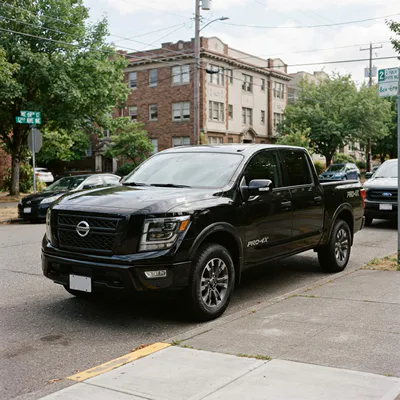
Nissan Titan
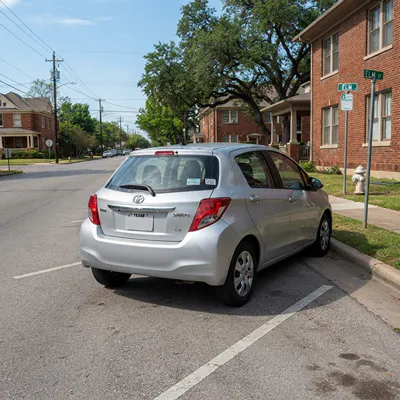
Toyota Yaris
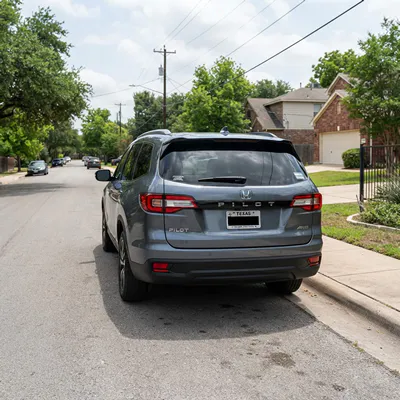
Honda Pilot
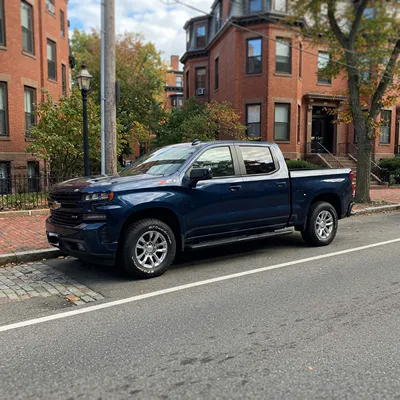
Chevrolet 1500
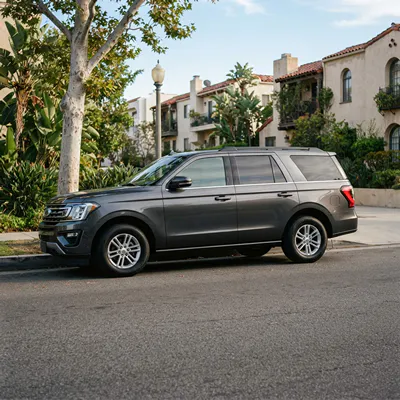
Ford Expedition
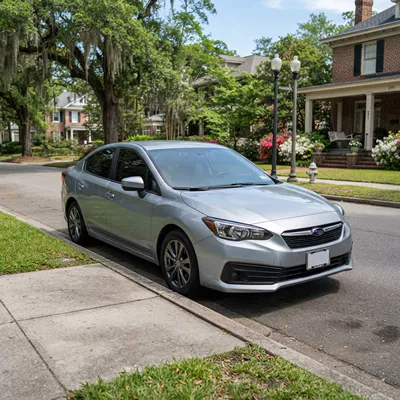
Subaru Impreza
Other Popular Cities In Washington
FAQs
Does Shiply Cover My Area?
Yes. There are transport providers using Shiply all over the country and overseas, so whether you need to move something to/from Seattle, Washington or further afield, we have got you covered.
What Mode Of Transport Will Be Used?
This is your preference, you can choose from various modes of transport available on Shiply. For car shipping this is generally a driven service, transported on an open trailer or transported in an enclosed trailer.
How Can I Contact Shiply Support?
Our friendly support team is always on hand. Simply click on the Help link or email us: . We aim to respond inside a few business hours. If you have an urgent query about a delivery underway, you can contact your driver directly. Full details are in the booking confirmation email and My Shiply.
Who Will Carry Out My Delivery?
Whoever you choose. There are thousands of rated transport providers from Seattle, Washington on our platform ready to make a bid to carry out your car shipment. It is up to you to decide which quote to accept. We suggest assessing both price and the transport provider's feedback rating and recent reviews before your book.
When Will I Receive A Quote?
You will typically start to receive quotes within 30 minutes. If your delivery is particularly urgent or important, you can try upgrading your delivery request which moves your listing to the top of the search page for shipping companies.
How Many Quotes Will I Receive?
Whilst there is no guarantee of quotes, 98% of listings receive at least 3 quotes, so you are very likely to find a transport provider who services Seattle, Washington who can undertake the delivery of your vehicle.
Is My Vehicle Insured For Transport to/From Seattle, Washington?
Yes, it is a requirement for all transport providers on Shiply to have appropriate insurance coverage for the vehicles they transport. However, we also highly recommend purchasing Shiply's protection plan when placing your booking for additional peace of mind in the event of an insurance company or transport provider refusing to pay out.
How Far Out In Advance Should I Schedule Collection?
It is recommended to schedule your collection as early as possible to ensure availability and to allow transport providers sufficient time to plan the logistics of your vehicle's transport. Generally we advise at least two weeks as this gives transport providers enough time to bundle your car shipment with others heading in the same direction, helping to drive down cost. That said, last minute availability is sometimes possible, although it does carry a premium price. So planning ahead is always beneficial.
How Do I Pay For The Car Shipping Service?
When you accept a quote on Shiply, you pay a small deposit, service fee and optional protection plan fee. The remaining balance is paid directly to the transport provider, usually on delivery. Shiply provides a secure platform for communication. It is recommended to discuss payment terms with the provider before confirming your booking.
What Is the Difference Between Open and Enclosed Auto Transport?
Open transport is the most common and cost-effective method, where your vehicle is exposed to the elements on an open trailer. Enclosed transport provides additional protection by keeping your vehicle inside a covered trailer, shielding it from weather and road debris. Enclosed transport is typically more expensive but offers greater security for high-value or classic vehicles.
Is Shiply Auto Transport A Door to Door Service?
Yes, Shiply offers door-to-door auto transport services, meaning your vehicle will be picked up from your specified location and delivered to your desired destination. Typical pickup and delivery locations include home, office or apartments and all are typically fine. Occasionally, there may be restrictions based on the availability of street parking or extremely narrow roads, in those instances the transport provider will discuss nearby alternatives locations with you such as a local parking lot or gas station.
How Is Shiply Different From Other Auto Transport Services?
Shiply offers a unique platform that connects customers with transport providers, allowing for competitive quotes and flexible scheduling. Unlike traditional auto transport services, Shiply provides a transparent and user-friendly experience, ensuring that you can easily compare options and choose the best service for your needs. As transport providers compete for your job, you benefit from securing the best rates in the industry without having to phone around.
What Types of Vehicles Can Shiply Transport?
Shiply can transport a wide range of vehicles, including cars, motorcycles, vans, trucks, and even classic or luxury vehicles. The platform connects you with transport providers who have the appropriate equipment and experience to handle your specific type of vehicle, ensuring safe and reliable transportation. Shiply can also ship electric vehicles.
How Much Does It Cost To Ship A Car to/from Seattle, Washington?
The cost of shipping a car to or from Seattle, Washington depends on various factors, including the distance, type of vehicle, and chosen transport method. Shiply provides a platform where you can receive competitive quotes from multiple transport providers, allowing you to find the best rate for your specific needs. But as a general rule of thumb, you can expect a rough cost of around $2.40/mile for shorter distances under 250 miles and $0.84/mile for longer distances above 750 miles.
How Do I Get a Quote For Shipping My Car?
To get a quote for shipping your car, you can use Shiply's platform to submit your vehicle details and transport requirements - just click the get quotes button. Multiple transport providers will then provide you with competitive quotes, allowing you to compare prices and services to find the best option for your needs.
How Do I Stay In Touch With My Transport Provider During Delivery?
To stay in touch with your transport provider during delivery, you can use Shiply's messaging system to communicate directly with them. This allows you to ask questions, provide updates, and coordinate the details of your vehicle transport.
Is It Cheaper To Ship A Car Or Drive It?
It depends on the distance, fuel costs, accommodation, vehicle wear and tear, and the value of your time. For long-distance moves, shipping your car is often surprisingly cost-effective and saves you from putting unnecessary mileage on your vehicle. Shiply's reverse auction marketplace helps you compare competitive quotes so you can decide which option offers the best value.
Is It Worth Shipping A Car?
For many people, yes. Shipping a car can save significant time, reduce stress, avoid adding miles to your vehicle, and eliminate the costs associated with a long road trip. It is particularly worthwhile when relocating, buying a vehicle remotely, transporting a classic or luxury car, or moving across the country.
What Is The Cheapest Way To Ship A Car?
The most affordable option is usually open transport with flexible collection and delivery dates. Booking in advance also helps reduce costs, as transport providers have more opportunity to combine your vehicle with other deliveries travelling in the same direction. On Shiply, providers compete for your listing, helping you secure some of the lowest available prices.
How Long Does It Take To Ship A Car?
Delivery times depend on the distance, route, and transport provider's schedule. Shorter journeys may take just one or two days, while cross-country transport can take around one to two weeks. When reviewing quotes on Shiply, you can discuss estimated collection and delivery dates directly with transport providers before booking.
Can I Track My Vehicle During Transport?
Most transport providers provide regular updates throughout the journey. You can communicate directly with your chosen provider using Shiply's secure messaging system to request progress updates, estimated arrival times, or notify them of any changes during the delivery.
How Much Fuel Should Be Left In My Vehicle?
Most transport providers recommend leaving around a quarter of a tank of fuel. This provides enough fuel for loading and unloading while keeping the vehicle as light as possible, helping to improve safety and efficiency during transport.
What Is Terminal-To-Terminal Car Transport?
Terminal-to-terminal transport involves dropping your vehicle off at a designated collection point and collecting it from another terminal at its destination. While this can sometimes reduce costs, most Shiply transport providers offer the convenience of door-to-door delivery, making terminal transport less common.
Can I Ship Multiple Vehicles At Once?
Yes. Many transport providers can move multiple vehicles in a single shipment, whether you are relocating, buying or selling several vehicles, or arranging transport for a dealership. When creating your listing, simply include details of every vehicle so providers can quote accurately.
Can I Ship A Car I Bought Online Or At Auction?
Absolutely. Many Shiply customers arrange transport for vehicles purchased from dealerships, online marketplaces, auctions, and private sellers. Simply provide the collection and delivery details, and transport providers will submit competitive quotes for your shipment.
Can I Get A Quote Without Providing Personal Details?
Yes. You can request quotes by providing information about your vehicle and delivery requirements without making your personal contact details public. Once you have chosen a transport provider and confirmed your booking, you will be able to communicate directly through Shiply's secure messaging platform.
Can I Get A Quote Without Providing Personal Details?
Yes. You can request quotes by providing information about your vehicle and delivery requirements without making your personal contact details public. Once you have chosen a transport provider and confirmed your booking, you will be able to communicate directly through Shiply's secure messaging platform.
What Is The Safest Way To Ship A Car?
Professional vehicle transport is generally the safest option. For most vehicles, open transport provides excellent protection and value. If you are shipping a classic, luxury, antique, or high-value vehicle, enclosed transport offers additional protection from weather and road debris throughout the journey.
How Do I Choose The Best Car Shipping Company?
Look beyond price alone. Consider customer reviews, feedback ratings, insurance cover, experience, communication, and collection times. Shiply makes it easy to compare all of these factors in one place so you can confidently choose the transport provider that best meets your needs.
Why Do Car Shipping Prices Change Throughout The Year?
Car shipping prices fluctuate with supply and demand. Peak moving periods, holidays, severe weather, and popular relocation seasons can all increase demand for transport services. Booking early and being flexible with your dates can often help you secure lower prices.
How Long Is My Quote Valid?
Each transport provider sets their own quote validity period. Some quotes remain available for several days, while others may be withdrawn sooner if the provider's schedule changes. If you find a quote that suits your requirements, it is generally best to book before availability changes.
Can I Book Car Shipping Without An Exact Collection Address?
In many cases, yes. If you know the general pickup area but not the precise address, you can still create a listing and update the details later. If you change the pickup or delivery location after publishing your listing, existing quotes may need to be refreshed to reflect the new journey.
Can Shiply Transport Electric Vehicles?
Yes. Many transport providers on Shiply regularly transport electric vehicles, including Tesla, Rivian, Polestar, Lucid, Nissan, Hyundai, Kia, and many other makes and models. When creating your listing, simply specify that your vehicle is electric so providers can prepare accordingly if required.
Does Someone Else Have To Be Present If I Can't Attend Collection Or Delivery?
Yes. If you are unavailable, you can usually nominate a trusted friend, family member, colleague, or representative to hand over or receive the vehicle on your behalf. Make sure they have any necessary keys, paperwork, and are aware of the agreed collection or delivery arrangements.
What Happens If My Transport Provider Is Delayed?
Delays can occasionally occur due to traffic, weather, mechanical issues, or changes to delivery schedules. Your transport provider should keep you informed of any changes, and you can contact them at any time through Shiply's messaging system to receive updates.
What Happens If My Vehicle Is Damaged During Transport?
All transport providers on Shiply are required to carry appropriate insurance. Before collection, we recommend photographing your vehicle from multiple angles and noting any existing damage. If damage does occur during transport, you should notify the transport provider immediately and follow their insurance claims process. Purchasing Shiply's protection plan also provides additional peace of mind.
Can I Ship A Classic, Luxury Or Exotic Car?
Yes. Many transport providers specialise in transporting classic, luxury, prestige, and exotic vehicles. For valuable vehicles, enclosed transport is often recommended to provide additional protection from weather, road debris, and other external factors during transit.
What Documents Do I Need To Provide?
To ensure a smooth delivery process, you will need to provide certain documents to your transport provider. These may include your vehicle registration, proof of insurance, and title. Make sure to have these documents ready and accessible for the transport provider.
How Can I Ensure I Choose The Best Car Shipping Company To/From Seattle, Washington?
To ensure you choose the best car shipping company, consider factors such as customer reviews, insurance coverage, experience, and pricing. All of which can be viewed in one place, here on Shiply. It's important to compare multiple providers and ask questions to make an informed decision.
How Should I Prepare My Car For Shipping?
To ensure your car is ready for shipping, you should clean it thoroughly, remove any personal belongings, and take note of any existing damage. Additionally, make sure your vehicle is in good working condition and has enough fuel for loading and unloading. We also advise taking photos of the car, from multiple angles, to document its condition before transport.
What Time Of Year Is Cheapest For Shipping My Car To/From Seattle, Washington?
The cost of shipping your car can vary depending on the time of year. Generally, shipping rates are lower during the off-peak seasons, such as late fall and winter, when demand is lower.
Are Car Shipping Quotes Guaranteed?
On Shiply, the price you see is the price you pay. Unlike some other auto transport companies, the quotes provided are guaranteed and will not change unless you make modifications to your request.
Is Open Transport Car Shipping Safe?
Open transport is a common method for shipping cars and is generally safe. Vehicles are securely strapped and covered to protect against road debris and weather conditions. For luxury, antique or classic cars, enclosed transport is recommended for added protection and security.
Can You Negotiate With Car Shipping Providers?
On Shiply, the reverse auction mechanism automatically helps you find the lowest price in the market due to competitive bidding. However, yes, you can also use the messaging system to negotiate with providers. Sometimes if you are able to provide extra flexibility, especially around dates, you may be able to secure a better deal.
What Payment Methods Do You Accept?
Shiply accepts all major debit/credit cards. However, the transport providers themselves may have different payment methods and policies, so it's important to confirm with them directly before you place your booking.
Which Factors Affect Car Shipping Costs The Most?
Several factors can influence the cost of shipping a car, including the distance of the move, the type of transport (open or enclosed), the size and weight of the vehicle, and the time of year. It's important to consider these factors when planning your car shipment.
Can I Travel With My Car?
The majority of car transport providers on Shiply are only insured for the transportation of vehicles, however, some are also able to take people. If you need to travel with your car, make sure to mention this in your listing and to highlight this to any providers who quote on your request.
What If I Need To Cancel My Booking?
If you have accepted a quote and paid the deposit but wish to cancel the delivery, then you should first inform your chosen transport provider that you no longer require the delivery. You should then contact us at to process the cancellation.
Can I Change The Address Of The Delivery?
If you have not yet accepted a quote then you are able to change the address of your delivery request. Note that editing details of your request after publishing will result in active quotes being voided, so you will have to wait for new quotes to come in. If you have already accepted a quote and need to change the address either within Seattle, Washington or outside the area, please let your transport provider know and contact us at .
Does Someone Have To Be Present For Pickup And Delivery?
In most cases, the car shipping company will require you to be in attendance for the pickup and delivery of the vehicle. This is because there are likely to be release forms that you need to sign, as well as handing over the car keys.
Can I Keep Items In My Vehicle?
Most car transport companies will be fine with you keeping some personal items in the vehicle when it is transported. However, do be aware that the weight of the items may affect the price of the vehicle shipment, and any items in the vehicle will not be covered by insurance for the transport of the car itself.
Can I Transport My Vehicle If It Isn't Running?
You can ship your vehicle if it isn't in running condition, however, this will be more expensive as specialist equipment is required to load and unload the vehicle.

How Shiply works
Why Choose Shiply?
Shiply helps you compare quotes from customer-reviewed vehicle transporters who already have space on similar routes, so you can find a safer, simpler way to ship at a better price.
Save up to 75%
Transport Providers bid for your job using spare capacity on pre-existing routes.
Compare rated shippers
Review prices, profiles, feedback, and recent customer comments before booking.
Move any vehicle
Arrange local, interstate, long-distance, open, enclosed, or specialist transport.
Support and safety
Dedicated Trust & Safety Team. Friendly support team standing by and ready to help.
How Shiply Helps The Environment
By utilizing spare capacity of vehicles running on the road, Shiply helps reduce the number of otherwise wasteful journeys.