Compare Trusted Oregon Car Shipping Companies
Save time & money - up to 75% off standard rates
Used by millions of happy customers
Millions of people use Shiply
Fast and Easy
Complete one simple form and quotes come to you via email. Hassle-free, no phone calls required.
Trustworthy
All shipping companies on Shiply are feedback rated for your peace of mind.
Great Prices
As Shiply's shipping companies are already making similar trips, quotes are up to 75% cheaper than standard rates.
Oregon - Car Shipping Advice
Arranging car shipping across the Pacific Northwest presents a unique set of logistical considerations that standard freight routes rarely encounter. Oregon sits at a critical junction of West Coast commerce, anchored by the heavily traveled Interstate 5 corridor that stretches from the Canadian border down to Mexico, while simultaneously encompassing rugged coastlines, high desert plateaus, and formidable mountain passes. Moving a vehicle into or out of this region requires a solid grasp of how auto transport carriers operate within these distinct geographical zones. Whether a shipment involves relocating a daily commuter to the Portland metropolitan area, transporting a classic car to the high desert of Bend, or sending a student vehicle to the college campuses in Eugene or Corvallis, understanding the underlying operational mechanics ensures a seamless experience from origin to destination.
Professional auto transport is fundamentally an exercise in route efficiency and payload balancing. Independent carriers operating multi-vehicle trailers must balance vehicle weights, heights, and delivery sequences across hundreds or thousands of miles. In Oregon, these calculations are shaped daily by regional terrain, municipal street layouts, and unpredictable seasonal weather patterns. When customers understand how dispatchers route these trucks and how drivers manage their equipment, the entire process of booking, scheduling, and receiving vehicle transport becomes far more predictable and straightforward.

Key Takeaways for Oregon Auto Transport
Experienced dispatchers know that location accessibility within Oregon dictates both scheduling speed and pricing. Freight moving along the primary Interstate 5 artery, connecting cities such as Portland, Salem, Albany, Eugene, and Medford, benefits from high carrier density and regular departures. Conversely, shipments bound for coastal communities along Highway 101 or eastern destinations accessed via Interstate 84 and Highway 97 require carriers to divert from high-volume lanes, which naturally influences transit timelines and carrier availability.
Seasonal weather plays an outsized role in Pacific Northwest logistics. The Siskiyou Summit on Interstate 5 near the California border and the mountain passes across the Cascade Range regularly face severe winter conditions, chain requirements, and occasional highway closures. Dispatchers must actively account for these corridors to avoid unnecessary transit delays. Furthermore, flexible pickup windows almost always yield better carrier placement and more reliable pricing than rigid, tight schedules. Selecting the right trailer configuration, whether standard open transport or specialized enclosed transport, depends directly on the vehicle ground clearance, overall value, and exposure preferences during cross-country car shipping.

How the Vehicle Transport Process Works
The journey begins when a shipper submits their vehicle specifications and preferred route to receive an accurate car shipping quote. Unlike static freight, vehicle shipping requires precise details, including the year, make, model, modification status, and operational condition of the automobile. Once these details enter the marketplace, auto transport companies and licensed dispatchers evaluate the route against available carrier space. Carriers look for vehicles that complement their existing load in terms of weight distribution and physical dimensions on the trailer deck.
After selecting a quote and securing a carrier, the dispatcher schedules a pickup window, which generally spans two to three business days. This window accounts for the driver navigating traffic, earlier deliveries, and mandatory commercial rest breaks regulated by the Department of Transportation. On the day of pickup, the driver contacts the shipper to establish a specific arrival time. If the pickup address is located on a narrow residential street or in an area with low-hanging tree canopies common throughout Oregon neighborhoods, the driver will coordinate a meeting at a nearby wide-access commercial parking lot or broad thoroughfare.
Before the car carrier loads the automobile, both parties complete a detailed physical inspection recorded on the bill of lading. This document acts as the official receipt and condition report, logging pre-existing scratches, dings, and mechanical states. Once loaded and secured using soft tie-down straps over the tires, the vehicle begins transit. Upon reaching the destination, a matching inspection takes place to confirm the vehicle arrived in the exact same condition. The receiver signs the final paperwork, settles any agreed-upon balance, and takes delivery of the vehicle.

Open vs Enclosed Transport Options
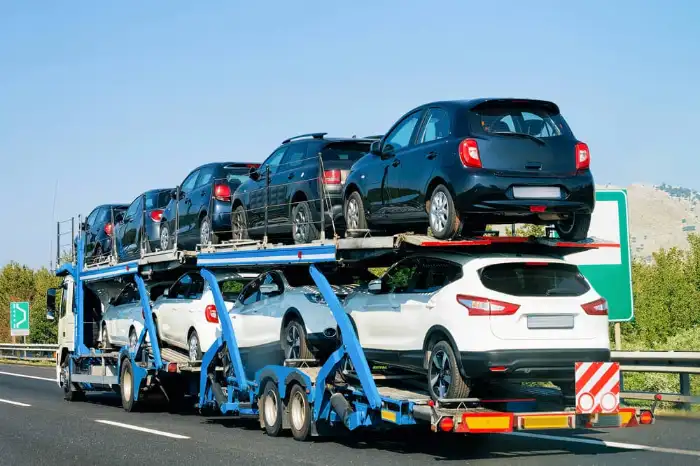
Selecting the appropriate transport service comes down to evaluating vehicle type, budget, and route conditions. Open transport is the workhorse of the auto shipping industry, accounting for the vast majority of vehicle movements across the United States. Vehicles travel on two-level open trailers capable of hauling between seven and ten cars simultaneously. This method is the most cost-effective solution for everyday sedans, crossovers, and light trucks. While vehicles are exposed to road dust, rain, and highway grime, they remain securely anchored throughout the journey.
Enclosed transport provides a fully shielded environment, utilizing soft-sided or hard-sided trailers designed to protect precious cargo from road debris, extreme weather, and atmospheric fallout. This shipping service is the preferred choice for a classic car, luxury vehicles, low-clearance exotic sports cars, and high-dollar restoration projects. Enclosed carriers frequently feature hydraulic liftgates rather than standard loading ramps, ensuring that cars with extremely low approach angles do not scrape their undercarriages during loading. While enclosed car transit carries a premium rate due to limited trailer capacity, usually carrying only two to six vehicles, the heightened protection is essential for high-value machinery.
Terminal shipping and door-to-door shipping represent the two main delivery models. Door-to-door shipping is standard across the industry, where the auto transporter navigates as close to the designated addresses as legally and physically possible. Terminal shipping involves dropping the car off at a regional storage yard where it waits for another carrier to complete the next leg. In practice, direct door-to-door transit is widely preferred because it eliminates multiple loading and unloading cycles, thereby significantly reducing the risk of minor handling damage.

Preparing Your Vehicle for Shipment
Proper preparation directly prevents delays and ensures an accurate condition report during the initial vehicle inspection. The first step involves washing the exterior thoroughly. A clean exterior allows both the driver and the owner to easily identify existing paint chips, scuffs, or minor dents that must be noted on the bill of lading before loading. Taking clear, timestamped photographs of all panels, glass, wheels, and interior surfaces immediately prior to carrier arrival provides an indisputable record of the pre-shipment condition.
Personal belongings and heavy luggage must be removed from the passenger cabin and trunk. Federal regulations govern the weight of commercial auto haulers, and carriers face severe fines at state weigh stations if excess cargo pushes their axle weights beyond legal limits. Furthermore, carrier insurance policies generally do not cover personal items left inside the automobile. Leaving loose items in the vehicle can also cause interior damage if items shift during transit over mountain passes or uneven roadways. Shippers should leave roughly one-quarter tank of fuel in the gas tank, which provides enough fuel for loading and unloading maneuvers while keeping unnecessary weight to a minimum.
Specialized vehicle types require specific prep steps. For electric vehicles, maintaining a battery charge between forty and fifty percent is optimal; this keeps vehicle weight manageable while ensuring the battery system remains stable and capable of moving under its own power during terminal maneuvering. Owners of modified vehicles with aftermarket spoilers, wide body kits, or lifted suspensions should inform the transport service well in advance and secure or remove any fragile, oversized exterior accessories. Deactivating automated toll transponders and vehicle alarm systems prevents toll charges along transit routes and keeps the vehicle battery from draining during long journeys.

Factors Influencing Oregon Car Shipping Costs
Calculating the final car shipping cost involves several dynamic variables rather than a simple flat mileage rate. Distance is the foundational element, but route density often has a stronger impact on the overall shipping quote. Moving a car between major metropolitan areas along Interstate 5, such as shipping from Portland to Los Angeles or Seattle, benefits from high trailer volume, driving down per-mile costs. Conversely, moving a vehicle out of remote areas, such as the southern Oregon coast or rural eastern counties, requires a carrier to deadhead extra miles, raising the overall car moving rate.
Vehicle size, gross weight, and overall footprint directly dictate trailer capacity. A compact sedan takes up minimal physical deck space and adds modest weight, whereas a full-size heavy-duty pickup truck or an electric luxury SUV occupies the physical space and weight allowance of nearly two smaller vehicles. When a vehicle occupies a larger share of the carrier payload, dispatchers price the space accordingly to offset the lost capacity for other paying freight.
Seasonal demand swings introduce noticeable pricing fluctuations throughout the year. During the late autumn months, snowbird migration triggers high demand for southbound transport services from the Pacific Northwest toward sunny destinations in California, Arizona, and Florida. In the spring, this flow reverses, causing northbound rates to firm up. Local weather patterns also exert pressure; severe winter storms in the Cascade Range or near the Siskiyou Pass can temporarily restrict carrier flow, causing spot rates to shift as drivers navigate slower, more hazardous routes.

Evaluating Auto Transport Companies
Navigating the marketplace requires understanding the operational difference between direct auto transport companies and licensed freight brokers. Direct carriers own the physical trucks and employ the drivers who transport your vehicle. Freight brokers act as logistics coordinators, matching customers with fully vetted, independent carriers across a nationwide dispatch network. Many reputable organizations operate dual authorities, blending brokerage capabilities with dedicated fleets to maximize routing flexibility.
One common mistake customers make is immediately accepting the lowest instant quote generated by automated online forms. In the auto shipping industry, an unrealistically low price often signals an underpriced listing that carriers will bypass on national dispatch boards in favor of fair-market loads. This leads to frustrating delays and rescheduled pickup windows. When seeking the best car shipping partner, look for companies that provide realistic pricing based on current load-to-truck ratios and fuel indices.
Reliable car transport companies maintain active operating authority through the Federal Motor Carrier Safety Administration, possess valid USDOT numbers, and demonstrate clear communication policies. A professional broker or carrier will openly explain estimated timelines, clarify whether a quote is fully inclusive of taxes and tolls, and provide direct access to customer support staff who can answer logistical questions without evasiveness.

Carrier Insurance, Liability, and Safety Standards
Understanding liability coverage gives shippers necessary peace of mind during interstate auto transport. By federal law, all commercial auto transporter operations must carry primary cargo insurance. This coverage protects the vehicle against transit-related damage resulting from mechanical accidents, trailer equipment failure, or severe road incidents. Before releasing a vehicle to any carrier, shippers have the right to request a copy of the carrier Certificate of Insurance to verify policy limits and active status.
The foundation of any insurance claim is the bill of lading. If a carrier arrives at the delivery destination and the vehicle exhibits damage that was not recorded during the initial pickup inspection, the receiver must clearly note the new damage on the delivery receipt before signing. Accepting delivery and signing the paperwork without documenting discrepancies makes it exceptionally difficult to pursue a successful claim afterward. Carrier cargo insurance functions as the primary coverage for transit incidents, meaning the customer personal auto insurance policy remains untouched in legitimate carrier-fault claims.
Trustworthy auto shipping companies rigorously screen the safety scores and loss-run histories of their drivers. This includes monitoring safety measurement system ratings maintained by the Department of Transportation, verifying that drivers adhere strictly to mandatory hours-of-service limitations, and ensuring equipment passes regular commercial vehicle safety inspections.

Practical Tips and Pitfalls to Avoid
First-time shippers often experience stress simply due to misaligned expectations regarding transit timing. Long-distance car transportation is subject to highway construction, weigh station inspections, regional traffic bottlenecks, and mandatory driver rest periods. Recognizing that delivery dates are educated estimates rather than guaranteed down to the minute helps prevent unnecessary anxiety. Shippers who maintain a degree of scheduling flexibility consistently enjoy a smoother transport experience.
One critical detail often overlooked is ensuring someone is physically present at both pickup and delivery. If the vehicle owner cannot be on-site due to travel or work schedules, an authorized adult representative, such as a family member, neighbor, or dealership agent, can act on their behalf. This designated individual must be empowered to review the vehicle exterior, sign the inspection report, and hand over or receive the keys. If a vehicle is non-running, this must be disclosed upfront; non-operational cars require specialized winches and specific trailer placement, which standard car carrier setups cannot accommodate without advance planning.
It is best to avoid packing hidden storage compartments with heavy household goods. Aside from legal weight limits, moving companies and freight carriers operate under entirely separate regulatory frameworks. When moving household goods inside a car, those contents remain uninsured against loss, breakage, or theft during transit. Keeping the vehicle clean, empty, and mechanically prepared ensures that the carrier can focus entirely on safe, efficient vehicle transport.

Oregon Logistics, Mountain Passes, and Regional Realities
Operating a car carrier in Oregon requires specialized regional knowledge from drivers and dispatchers alike. The primary north-south spine of the state, Interstate 5, handles heavy freight volume between Portland, Woodburn, Salem, Eugene, Roseburg, and Grants Pass before reaching the California border. South of Ashland, carriers must cross the Siskiyou Summit, the highest point on Interstate 5 at over 4,300 feet. The Oregon Department of Transportation enforces stringent winter chain laws on this pass, and sudden blizzards can halt commercial traffic for hours or days, temporarily slowing transport timelines across the Pacific Northwest.
Shipping into Central and Eastern Oregon presents a distinct set of operational dynamics. Reaching growing communities such as Bend, Redmond, or Prineville requires crossing the Cascade Range via mountain highways such as Santiam Pass on US-20 or Willamette Pass on OR-58, which experience severe winter conditions and steep grades. Routes heading east toward Pendleton, La Grande, and Ontario run along Interstate 84 through the Columbia River Gorge, a corridor famous for high crosswinds, winter freezing rain, and sudden ice storms that require experienced commercial driving skills.
Local infrastructure also shapes residential delivery. Historic neighborhoods in Portland, such as the West Hills, Hawthorne, or the narrow, tree-canopied streets of inner Southeast, cannot accommodate a full-size, seventy-five-foot car carrier. Experienced drivers will coordinate with customers to meet at large, accessible commercial retail lots near highway exits, such as those along Highway 217 in Beaverton or near the Clackamas Town Center. Corporate relocations centered around the Silicon Forest tech hub in Hillsboro, military moves near regional training facilities, and student shipments to the University of Oregon in Eugene or Oregon State University in Corvallis all follow these localized access patterns.

Why Many Customers Choose Shiply
Arranging auto transport through traditional avenues can often feel overwhelming, with fragmented pricing, persistent sales calls, and uncertain carrier availability. The Shiply marketplace offers an efficient alternative by connecting customers directly with a vast network of rated auto transport companies and independent haulers who are actively seeking loads along specific routes.
Instead of receiving endless speculative phone calls, shippers list their vehicle details once and receive competitive quotes from transport providers. This structure allows carriers who already have empty space on trailers passing through Oregon corridors to offer discounted, highly competitive rates to fill their remaining capacity. Shippers can review real feedback ratings from past customers, compare open and enclosed transport options side by side, and communicate securely through the platform. This transparent approach simplifies the entire car transport process, empowering vehicle owners to ship a car with confidence, clarity, and control.
Popular Routes from Oregon
Fast-moving Car Shipping routes customers often compare from Oregon.
Top Oregon Transport Providers on Shiply
Pricing By Shipping Method
Based on 108 real auto shipments, these examples demonstrate how different transport methods can affect your quotes.
By Vehicle Type
-
Car (Sedan/Coupe) 9,962 shipmentsBaseline
-
SUV / Crossover 10,015 shipments+$107
-
Pickup Truck 1,079 shipments+$286
By Transport Method
-
Driven 0 shipmentsBaseline
-
Open Trailer 767 shipments+$767
-
Enclosed Trailer 0 shipments+$0
Recent Car Shipping Prices In Oregon
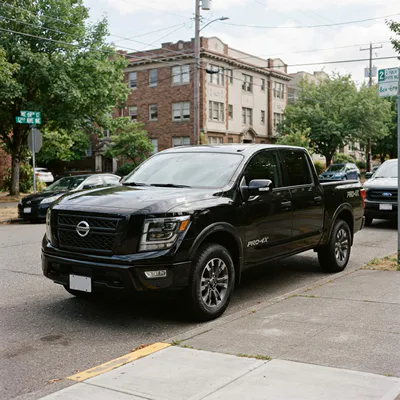
Nissan Titan
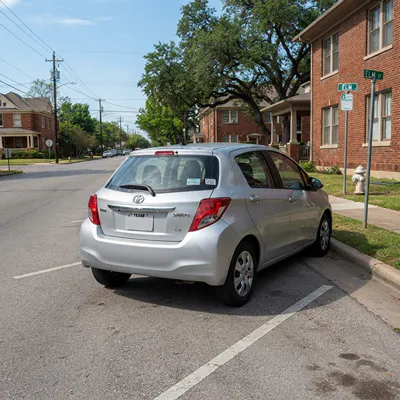
Toyota Yaris
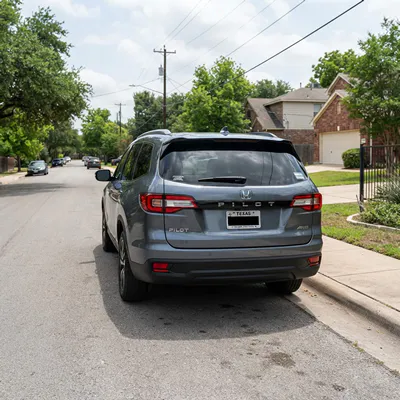
Honda Pilot
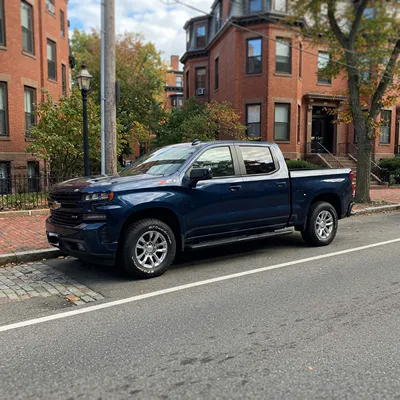
Chevrolet 1500
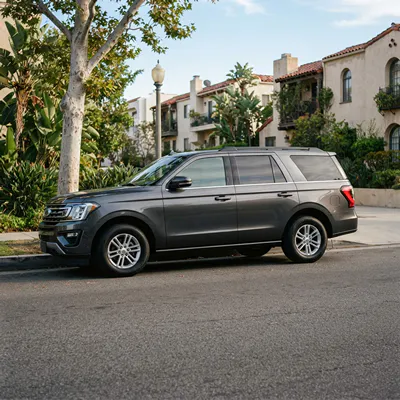
Ford Expedition
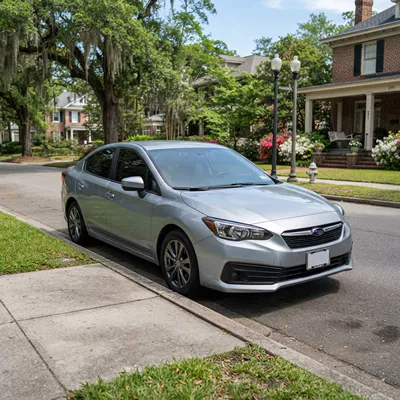
Subaru Impreza
Other Popular Cities In Oregon
FAQs
Does Shiply Cover My Area?
Yes. There are transport providers using Shiply all over the country and overseas, so whether you need to move something to/from Oregon or further afield, we have got you covered.
What Mode Of Transport Will Be Used?
This is your preference, you can choose from various modes of transport available on Shiply. For car shipping this is generally a driven service, transported on an open trailer or transported in an enclosed trailer.
How Can I Contact Shiply Support?
Our friendly support team is always on hand. Simply click on the Help link or email us: . We aim to respond inside a few business hours. If you have an urgent query about a delivery underway, you can contact your driver directly. Full details are in the booking confirmation email and My Shiply.
Who Will Carry Out My Delivery?
Whoever you choose. There are thousands of rated transport providers from Oregon on our platform ready to make a bid to carry out your car shipment. It is up to you to decide which quote to accept. We suggest assessing both price and the transport provider's feedback rating and recent reviews before your book.
When Will I Receive A Quote?
You will typically start to receive quotes within 30 minutes. If your delivery is particularly urgent or important, you can try upgrading your delivery request which moves your listing to the top of the search page for shipping companies.
How Many Quotes Will I Receive?
Whilst there is no guarantee of quotes, 98% of listings receive at least 3 quotes, so you are very likely to find a transport provider who services Oregon who can undertake the delivery of your vehicle.
Is My Vehicle Insured For Transport to/From Oregon?
Yes, it is a requirement for all transport providers on Shiply to have appropriate insurance coverage for the vehicles they transport. However, we also highly recommend purchasing Shiply's protection plan when placing your booking for additional peace of mind in the event of an insurance company or transport provider refusing to pay out.
How Far Out In Advance Should I Schedule Collection?
It is recommended to schedule your collection as early as possible to ensure availability and to allow transport providers sufficient time to plan the logistics of your vehicle's transport. Generally we advise at least two weeks as this gives transport providers enough time to bundle your car shipment with others heading in the same direction, helping to drive down cost. That said, last minute availability is sometimes possible, although it does carry a premium price. So planning ahead is always beneficial.
How Do I Pay For The Car Shipping Service?
When you accept a quote on Shiply, you pay a small deposit, service fee and optional protection plan fee. The remaining balance is paid directly to the transport provider, usually on delivery. Shiply provides a secure platform for communication. It is recommended to discuss payment terms with the provider before confirming your booking.
What Is the Difference Between Open and Enclosed Auto Transport?
Open transport is the most common and cost-effective method, where your vehicle is exposed to the elements on an open trailer. Enclosed transport provides additional protection by keeping your vehicle inside a covered trailer, shielding it from weather and road debris. Enclosed transport is typically more expensive but offers greater security for high-value or classic vehicles.
Is Shiply Auto Transport A Door to Door Service?
Yes, Shiply offers door-to-door auto transport services, meaning your vehicle will be picked up from your specified location and delivered to your desired destination. Typical pickup and delivery locations include home, office or apartments and all are typically fine. Occasionally, there may be restrictions based on the availability of street parking or extremely narrow roads, in those instances the transport provider will discuss nearby alternatives locations with you such as a local parking lot or gas station.
How Is Shiply Different From Other Auto Transport Services?
Shiply offers a unique platform that connects customers with transport providers, allowing for competitive quotes and flexible scheduling. Unlike traditional auto transport services, Shiply provides a transparent and user-friendly experience, ensuring that you can easily compare options and choose the best service for your needs. As transport providers compete for your job, you benefit from securing the best rates in the industry without having to phone around.
What Types of Vehicles Can Shiply Transport?
Shiply can transport a wide range of vehicles, including cars, motorcycles, vans, trucks, and even classic or luxury vehicles. The platform connects you with transport providers who have the appropriate equipment and experience to handle your specific type of vehicle, ensuring safe and reliable transportation. Shiply can also ship electric vehicles.
How Much Does It Cost To Ship A Car to/from Oregon?
The cost of shipping a car to or from Oregon depends on various factors, including the distance, type of vehicle, and chosen transport method. Shiply provides a platform where you can receive competitive quotes from multiple transport providers, allowing you to find the best rate for your specific needs. But as a general rule of thumb, you can expect a rough cost of around $2.40/mile for shorter distances under 250 miles and $0.84/mile for longer distances above 750 miles.
How Do I Get a Quote For Shipping My Car?
To get a quote for shipping your car, you can use Shiply's platform to submit your vehicle details and transport requirements - just click the get quotes button. Multiple transport providers will then provide you with competitive quotes, allowing you to compare prices and services to find the best option for your needs.
How Do I Stay In Touch With My Transport Provider During Delivery?
To stay in touch with your transport provider during delivery, you can use Shiply's messaging system to communicate directly with them. This allows you to ask questions, provide updates, and coordinate the details of your vehicle transport.
Is It Cheaper To Ship A Car Or Drive It?
It depends on the distance, fuel costs, accommodation, vehicle wear and tear, and the value of your time. For long-distance moves, shipping your car is often surprisingly cost-effective and saves you from putting unnecessary mileage on your vehicle. Shiply's reverse auction marketplace helps you compare competitive quotes so you can decide which option offers the best value.
Is It Worth Shipping A Car?
For many people, yes. Shipping a car can save significant time, reduce stress, avoid adding miles to your vehicle, and eliminate the costs associated with a long road trip. It is particularly worthwhile when relocating, buying a vehicle remotely, transporting a classic or luxury car, or moving across the country.
What Is The Cheapest Way To Ship A Car?
The most affordable option is usually open transport with flexible collection and delivery dates. Booking in advance also helps reduce costs, as transport providers have more opportunity to combine your vehicle with other deliveries travelling in the same direction. On Shiply, providers compete for your listing, helping you secure some of the lowest available prices.
How Long Does It Take To Ship A Car?
Delivery times depend on the distance, route, and transport provider's schedule. Shorter journeys may take just one or two days, while cross-country transport can take around one to two weeks. When reviewing quotes on Shiply, you can discuss estimated collection and delivery dates directly with transport providers before booking.
Can I Track My Vehicle During Transport?
Most transport providers provide regular updates throughout the journey. You can communicate directly with your chosen provider using Shiply's secure messaging system to request progress updates, estimated arrival times, or notify them of any changes during the delivery.
How Much Fuel Should Be Left In My Vehicle?
Most transport providers recommend leaving around a quarter of a tank of fuel. This provides enough fuel for loading and unloading while keeping the vehicle as light as possible, helping to improve safety and efficiency during transport.
What Is Terminal-To-Terminal Car Transport?
Terminal-to-terminal transport involves dropping your vehicle off at a designated collection point and collecting it from another terminal at its destination. While this can sometimes reduce costs, most Shiply transport providers offer the convenience of door-to-door delivery, making terminal transport less common.
Can I Ship Multiple Vehicles At Once?
Yes. Many transport providers can move multiple vehicles in a single shipment, whether you are relocating, buying or selling several vehicles, or arranging transport for a dealership. When creating your listing, simply include details of every vehicle so providers can quote accurately.
Can I Ship A Car I Bought Online Or At Auction?
Absolutely. Many Shiply customers arrange transport for vehicles purchased from dealerships, online marketplaces, auctions, and private sellers. Simply provide the collection and delivery details, and transport providers will submit competitive quotes for your shipment.
Can I Get A Quote Without Providing Personal Details?
Yes. You can request quotes by providing information about your vehicle and delivery requirements without making your personal contact details public. Once you have chosen a transport provider and confirmed your booking, you will be able to communicate directly through Shiply's secure messaging platform.
Can I Get A Quote Without Providing Personal Details?
Yes. You can request quotes by providing information about your vehicle and delivery requirements without making your personal contact details public. Once you have chosen a transport provider and confirmed your booking, you will be able to communicate directly through Shiply's secure messaging platform.
What Is The Safest Way To Ship A Car?
Professional vehicle transport is generally the safest option. For most vehicles, open transport provides excellent protection and value. If you are shipping a classic, luxury, antique, or high-value vehicle, enclosed transport offers additional protection from weather and road debris throughout the journey.
How Do I Choose The Best Car Shipping Company?
Look beyond price alone. Consider customer reviews, feedback ratings, insurance cover, experience, communication, and collection times. Shiply makes it easy to compare all of these factors in one place so you can confidently choose the transport provider that best meets your needs.
Why Do Car Shipping Prices Change Throughout The Year?
Car shipping prices fluctuate with supply and demand. Peak moving periods, holidays, severe weather, and popular relocation seasons can all increase demand for transport services. Booking early and being flexible with your dates can often help you secure lower prices.
How Long Is My Quote Valid?
Each transport provider sets their own quote validity period. Some quotes remain available for several days, while others may be withdrawn sooner if the provider's schedule changes. If you find a quote that suits your requirements, it is generally best to book before availability changes.
Can I Book Car Shipping Without An Exact Collection Address?
In many cases, yes. If you know the general pickup area but not the precise address, you can still create a listing and update the details later. If you change the pickup or delivery location after publishing your listing, existing quotes may need to be refreshed to reflect the new journey.
Can Shiply Transport Electric Vehicles?
Yes. Many transport providers on Shiply regularly transport electric vehicles, including Tesla, Rivian, Polestar, Lucid, Nissan, Hyundai, Kia, and many other makes and models. When creating your listing, simply specify that your vehicle is electric so providers can prepare accordingly if required.
Does Someone Else Have To Be Present If I Can't Attend Collection Or Delivery?
Yes. If you are unavailable, you can usually nominate a trusted friend, family member, colleague, or representative to hand over or receive the vehicle on your behalf. Make sure they have any necessary keys, paperwork, and are aware of the agreed collection or delivery arrangements.
What Happens If My Transport Provider Is Delayed?
Delays can occasionally occur due to traffic, weather, mechanical issues, or changes to delivery schedules. Your transport provider should keep you informed of any changes, and you can contact them at any time through Shiply's messaging system to receive updates.
What Happens If My Vehicle Is Damaged During Transport?
All transport providers on Shiply are required to carry appropriate insurance. Before collection, we recommend photographing your vehicle from multiple angles and noting any existing damage. If damage does occur during transport, you should notify the transport provider immediately and follow their insurance claims process. Purchasing Shiply's protection plan also provides additional peace of mind.
Can I Ship A Classic, Luxury Or Exotic Car?
Yes. Many transport providers specialise in transporting classic, luxury, prestige, and exotic vehicles. For valuable vehicles, enclosed transport is often recommended to provide additional protection from weather, road debris, and other external factors during transit.
What Documents Do I Need To Provide?
To ensure a smooth delivery process, you will need to provide certain documents to your transport provider. These may include your vehicle registration, proof of insurance, and title. Make sure to have these documents ready and accessible for the transport provider.
How Can I Ensure I Choose The Best Car Shipping Company To/From Oregon?
To ensure you choose the best car shipping company, consider factors such as customer reviews, insurance coverage, experience, and pricing. All of which can be viewed in one place, here on Shiply. It's important to compare multiple providers and ask questions to make an informed decision.
How Should I Prepare My Car For Shipping?
To ensure your car is ready for shipping, you should clean it thoroughly, remove any personal belongings, and take note of any existing damage. Additionally, make sure your vehicle is in good working condition and has enough fuel for loading and unloading. We also advise taking photos of the car, from multiple angles, to document its condition before transport.
What Time Of Year Is Cheapest For Shipping My Car To/From Oregon?
The cost of shipping your car can vary depending on the time of year. Generally, shipping rates are lower during the off-peak seasons, such as late fall and winter, when demand is lower.
Are Car Shipping Quotes Guaranteed?
On Shiply, the price you see is the price you pay. Unlike some other auto transport companies, the quotes provided are guaranteed and will not change unless you make modifications to your request.
Is Open Transport Car Shipping Safe?
Open transport is a common method for shipping cars and is generally safe. Vehicles are securely strapped and covered to protect against road debris and weather conditions. For luxury, antique or classic cars, enclosed transport is recommended for added protection and security.
Can You Negotiate With Car Shipping Providers?
On Shiply, the reverse auction mechanism automatically helps you find the lowest price in the market due to competitive bidding. However, yes, you can also use the messaging system to negotiate with providers. Sometimes if you are able to provide extra flexibility, especially around dates, you may be able to secure a better deal.
What Payment Methods Do You Accept?
Shiply accepts all major debit/credit cards. However, the transport providers themselves may have different payment methods and policies, so it's important to confirm with them directly before you place your booking.
Which Factors Affect Car Shipping Costs The Most?
Several factors can influence the cost of shipping a car, including the distance of the move, the type of transport (open or enclosed), the size and weight of the vehicle, and the time of year. It's important to consider these factors when planning your car shipment.
Can I Travel With My Car?
The majority of car transport providers on Shiply are only insured for the transportation of vehicles, however, some are also able to take people. If you need to travel with your car, make sure to mention this in your listing and to highlight this to any providers who quote on your request.
What If I Need To Cancel My Booking?
If you have accepted a quote and paid the deposit but wish to cancel the delivery, then you should first inform your chosen transport provider that you no longer require the delivery. You should then contact us at to process the cancellation.
Can I Change The Address Of The Delivery?
If you have not yet accepted a quote then you are able to change the address of your delivery request. Note that editing details of your request after publishing will result in active quotes being voided, so you will have to wait for new quotes to come in. If you have already accepted a quote and need to change the address either within Oregon or outside the area, please let your transport provider know and contact us at .
Does Someone Have To Be Present For Pickup And Delivery?
In most cases, the car shipping company will require you to be in attendance for the pickup and delivery of the vehicle. This is because there are likely to be release forms that you need to sign, as well as handing over the car keys.
Can I Keep Items In My Vehicle?
Most car transport companies will be fine with you keeping some personal items in the vehicle when it is transported. However, do be aware that the weight of the items may affect the price of the vehicle shipment, and any items in the vehicle will not be covered by insurance for the transport of the car itself.
Can I Transport My Vehicle If It Isn't Running?
You can ship your vehicle if it isn't in running condition, however, this will be more expensive as specialist equipment is required to load and unload the vehicle.

How Shiply works
Why Choose Shiply?
Shiply helps you compare quotes from customer-reviewed vehicle transporters who already have space on similar routes, so you can find a safer, simpler way to ship at a better price.

Save up to 75%
Transport Providers bid for your job using spare capacity on pre-existing routes.

Compare rated shippers
Review prices, profiles, feedback, and recent customer comments before booking.
Move any vehicle
Arrange local, interstate, long-distance, open, enclosed, or specialist transport.
Support and safety
Dedicated Trust & Safety Team. Friendly support team standing by and ready to help.
How Shiply Helps The Environment
By utilizing spare capacity of vehicles running on the road, Shiply helps reduce the number of otherwise wasteful journeys.