Compare Trusted Tigard Car Shipping Companies
Save time & money - up to 75% off standard rates
Used by millions of happy customers
Millions of people use Shiply
Fast and Easy
Complete one simple form and quotes come to you via email. Hassle-free, no phone calls required.
Trustworthy
All shipping companies on Shiply are feedback rated for your peace of mind.
Great Prices
As Shiply's shipping companies are already making similar trips, quotes are up to 75% cheaper than standard rates.
Tigard, Oregon - Car Shipping Advice
Arranging car shipping into or out of Tigard requires an understanding of how regional freight networks intersect with the unique geography of the northern Willamette Valley. Situated immediately southwest of Portland at the junction of Interstate 5 and Oregon Route 217, Tigard serves as a critical conduit for freight moving between the Pacific Northwest and points south or east. However, moving a vehicle across state lines or across the country involves far more than simply loading a car onto a truck. It requires navigating carrier schedules, regional transit corridors, weight regulations, and local infrastructure constraints that influence how auto transport companies operate on the ground.
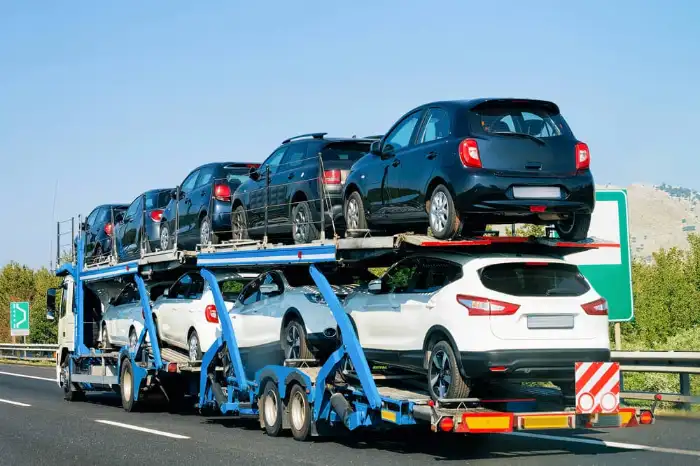
Every day, dispatchers and auto haulers balance complex logistical equations to build multi-car loads. A full-sized, nine-car stinger-steered transport rig can measure up to eighty feet in length and weigh as much as eighty thousand pounds when fully loaded. Navigating such equipment through suburban corridors like Highway 99W or into the hillside neighborhoods of Bull Mountain presents distinct practical challenges. Understanding how car transportation works from the inside allows vehicle owners to set realistic expectations, avoid unnecessary surcharges, and ensure a smooth delivery whether moving home, relocating for work in the local tech corridor, or purchasing a classic car from an out-of-state seller.

Tigard Auto Transport Essentials
Successful vehicle shipping relies on understanding a few foundational realities of the auto transport industry. Direct door-to-door delivery is standard, but the physical size of an auto transporter means that narrow residential lanes, low-hanging tree canopies, and tight cul-de-sacs often necessitate meeting a driver at an accessible commercial parking lot along major thoroughfares like Pacific Highway or near Washington Square. Carrier scheduling operates around estimated windows rather than fixed, to-the-minute appointments because long-haul drivers encounter road construction, Department of Transportation weight scales, mandatory rest breaks, and weather systems over major mountain passes.
The total car shipping cost reflects several practical variables beyond simple mileage. Vehicle size, curb weight, operating condition, seasonal demand patterns, and trailer configuration all dictate the final rate. Open transport serves as the workhorse of the industry, handling roughly ninety percent of all daily vehicle movements, whereas enclosed transport provides added environmental protection for high-value, antique, or low-clearance vehicles. Clear documentation at both pickup and delivery, recorded on the official bill of lading, serves as your definitive proof of vehicle condition and protects all parties throughout the transport lifecycle.

Navigating the Booking and Dispatch Process
The vehicle transport journey begins long before a trailer pulls up to your curb. When you request a car shipping quote on an online marketplace like Shiply, your transport details enter a broad logistics ecosystem. Freight brokers and independent carriers assess your route, vehicle specifications, and scheduling parameters to determine how your vehicle fits into their existing load plans. A carrier traveling along the Interstate 5 corridor with a vacant slot between Seattle and Sacramento, for instance, may offer a competitive rate to fill that remaining deck space rather than running an empty position.
Once you review bids and select a suitable transport service, the dispatch phase begins. The carrier assigns a specific truck to your route and establishes an initial pickup window, typically spanning one to two business days. During this interval, the driver coordinates with you directly by phone to provide regular estimated arrival times. Dispatchers must continuously adjust their timelines based on loading delays at earlier stops, heavy traffic through the Portland metropolitan grid, or chain-up requirements over mountain passes.
On the day of pickup, the driver performs a meticulous walk-around inspection alongside the vehicle owner or an authorized representative. Every existing scratch, paint chip, or dent is recorded on the bill of lading before the vehicle is driven or winched onto the carrier. The driver secures the tires using specialized soft tie-down straps anchored to the trailer deck rather than hooking into the chassis, which protects the suspension geometry. Upon arrival at the destination, a matching inspection is conducted to ensure the vehicle is delivered in the identical condition noted at origin, followed by final sign-off on the delivery paperwork.

Methods of Transportation
Choosing the right transport method involves balancing cost, exposure, and the physical characteristics of your vehicle. The vast majority of daily auto shipping occurs via open transport carriers. These multi-level trailers are the industry standard for daily drivers, family sedans, and standard pickup trucks. Open carriers maximize efficiency by hauling between seven and ten vehicles at once, which keeps overall shipping costs manageable. The trade-off is environmental exposure; vehicles on open decks will encounter rain, road dust, and highway debris, exactly as they would if driven across the same distance.
Enclosed transport options cater to luxury vehicles, rare vintage models, and modified sports cars that demand total protection from road elements. An enclosed car carrier utilizes hard-sided or heavy-duty soft-sided trailers that shield the cargo from weather and gravel. Many enclosed trailers feature hydraulic lift gates that keep the vehicle completely horizontal during loading, eliminating the steep approach angles of traditional ramps that can scrape the undercarriage of low-slung sports cars. While enclosed shipping typically costs thirty to fifty percent more than open carriage, it provides peace of mind for rare or collector investments.
A smaller subset of shipments utilizes specialized single-car or two-car flatbed trailers, often referred to in the industry as hotshot transport. These carriers provide dedicated point-to-point service without the multiple stops required by large nine-car rigs. Hotshots are frequently employed for inoperable vehicles, short-distance regional hauls between the Willamette Valley and central Oregon, or expedited deliveries where the customer requires direct routing without intermediary staging stops.

Practical Vehicle Preparation Steps
Proper preparation ensures that a vehicle moves through the transport network without administrative delays or physical damage. The preparation process begins with a thorough exterior wash. A clean vehicle allows both you and the transport driver to clearly see and document every pre-existing cosmetic imperfection on the bill of lading during the initial inspection. Documenting these marks when the car is coated in winter road grime or rain splatter makes identifying actual transit damage difficult after delivery.
All personal belongings and loose items should be removed from the interior. Department of Transportation regulations prohibit auto transport companies from hauling general household freight inside passenger vehicles on commercial auto carriers. Weight scales along interstate highways monitor axle weights strictly, and excess cargo can push a fully loaded trailer over legal limits, resulting in heavy fines or forced offloading at the scale house. Leaving twenty to thirty pounds of emergency gear or a child safety seat in the trunk is standard practice, but packing the cabin with moving boxes or bulky luggage creates liability issues that most carriers will reject.
Mechanical readiness is equally vital. Ensure the battery is fully charged and securely mounted, top off all vital fluids, and verify that the cooling system is filled with adequate antifreeze if shipping into colder northern or mountain climates. Maintain the fuel tank at approximately one-quarter full. A quarter tank provides sufficient fuel for loading, unloading, and staging maneuvers while minimizing unnecessary dead weight on the trailer deck. Deactivate all toll transponders and aftermarket alarm systems to avoid draining the battery or generating false toll charges as the carrier drives beneath overhead highway sensors along Interstate 5 or across regional toll bridges.

What Really Drives Car Shipping Costs
Vehicle shipping costs fluctuate based on clear economic and operational principles rather than arbitrary pricing tables. Distance remains the primary baseline factor, but the rate per mile drops significantly as total trip distance increases. A short-haul transport from Tigard to Seattle requires roughly the same administrative, loading, and unloading labor as a cross-country route to Atlanta, meaning regional hauls carry a higher per-mile cost despite a lower overall total invoice.
Vehicle dimensions and curb weight exert a massive influence on the final shipping quote. Auto carriers operate under strict federal gross vehicle weight ratings of eighty thousand pounds. A heavy full-sized electric vehicle or a modified four-wheel-drive SUV with oversized tires occupies more physical volume and consumes a larger share of the carrier weight allowance than a compact sedan. Consequently, dispatchers must charge a premium for heavier units to offset the fact that they may have to leave another deck slot vacant to remain within legal road weight limits.
Seasonal demand shifts cause substantial pricing variations throughout the year. In the late autumn, the Pacific Northwest experiences an outflow of seasonal residents shipping cars south to California, Arizona, and Florida, creating intense carrier competition and elevated outbound rates on southern corridors. In early spring, that demand pattern reverses. Winter transit across the Siskiyou Pass or through the Columbia River Gorge frequently introduces severe weather premiums due to chaining delays and mandatory detours. Vehicles that do not run under their own power also incur additional fees, as the carrier must utilize a specialized electric winch and auxiliary loading hardware to guide the car onto the deck safely.

Evaluating Auto Transport Companies
Finding the best car shipping partner requires distinguishing between freight brokers, direct motor carriers, and lead generation websites. Direct carriers own the physical trucks and employ the drivers who handle your vehicle. Freight brokers act as logistical intermediaries, leveraging vast networks of bonded and insured carriers to find an available truck matching your specific route, timeline, and vehicle type. Transparent brokerages provide immense value by screening safety records and vetting insurance certificates across thousands of independent owner-operators, whereas unregulated lead generators simply sell your contact information to multiple third parties, resulting in persistent sales calls.
When reviewing quotes, exercise caution with estimates that sit significantly below the prevailing market average. In the vehicle transport industry, an unrealistically low price often signals an aggressive broker attempting to win a booking without an actual carrier committed to that rate. When the broker cannot convince an independent driver to move the vehicle for that discounted amount, the shipment languishes on the dispatch board for days or weeks. Eventually, the price must be renegotiated upward to attract a verified carrier, wasting valuable time and disrupting relocation plans.
Always verify a company credentials through the Federal Motor Carrier Safety Administration database. Legitimate transport companies must possess active operating authority, documented by a valid Motor Carrier (MC) number and a USDOT number. Direct communication, transparent pricing without hidden terminal fees, and realistic transit time estimates are the hallmarks of reputable car shipping companies.

Carrier Insurance and Protecting Your Investment
Understanding how insurance coverage functions within the auto transport sector provides essential peace of mind. Every licensed commercial auto transporter is legally mandated to maintain active motor truck cargo insurance, which typically ranges from one hundred thousand to two hundred and fifty thousand dollars per trailer load on standard open carriers, and up to five hundred thousand dollars or more on high-end enclosed rigs. This cargo policy acts as the primary layer of protection against transit damage caused by carrier negligence, mechanical failure, or road incidents.
Before releasing your vehicle to the driver, ask to view a copy of the carrier Certificate of Insurance. Verify that the policy remains active and lists the carrier legal operating name accurately. Your personal auto insurance policy often acts as secondary coverage during transit, but the primary responsibility for damage sustained while the car is in carrier custody rests entirely with the transport operator.
The bill of lading serves as the legal backbone of any insurance claim. When the vehicle arrives in Tigard, or at your final delivery destination, you must inspect the exterior, glass, and lower body panels thoroughly in good daylight before signing the final delivery receipt. If you discover any new scratch, scrape, or mechanical fluid leak that was not documented on the origin inspection report, it must be clearly written on the bill of lading and signed by the driver. Signing the document without noting discrepancies indicates that the vehicle arrived in satisfactory condition, making subsequent insurance claims exceedingly difficult to process.

Operational Best Practices and Common Pitfalls
Decades of logistics experience reveal that flexibility is the single greatest asset a customer can have when arranging vehicle transport. Demanding a rigid pickup date on a single afternoon frequently leads to frustration, as highway traffic, mandatory electronic logging device rest periods, and loading delays at previous stops routinely alter a driver schedule. Providing a two to three day pickup window allows dispatchers to pair your route with the most reliable carrier available rather than forcing a rushed assignment with an unvetted operator.
A common mistake among first-time shippers is underestimating residential street accessibility. Large multi-car haulers cannot easily navigate sharp neighborhood corners, steep residential inclines, or low overhead utility lines. If your home is located along winding roads near Bull Mountain or within compact residential neighborhoods off Scholls Ferry Road, discuss potential meeting points with your driver in advance. Arranging to meet at an open, well-lit commercial plaza parking lot along major arteries like Highway 99W or near the junction of Dartmouth Street makes loading substantially safer and faster for everyone involved.
If you cannot be personally present for the pickup or delivery inspection, you may legally designate an authorized representative over the age of eighteen to act on your behalf. Ensure your proxy understands the critical importance of reviewing the vehicle condition against the bill of lading before signing. Finally, keep an extra set of keys ready. The carrier must possess a working key to unlock the steering column, operate the ignition, and access the trunk during transit.

Tigard and Pacific Northwest Transit Realities
Operating out of Tigard introduces localized transit dynamics that directly impact route planning and delivery schedules. The city sits adjacent to Oregon Route 217, a vital commuter corridor that connects Interstate 5 with US Route 26. This highway experiences severe daily congestion and ongoing interchange improvement projects that often prompt long-haul carriers to time their arrivals and departures outside morning and evening rush hours. Drivers entering or exiting the region must carefully plan their movements to avoid getting bogged down in slow-moving metropolitan gridlock.
Topography plays an active role in Tigard auto transport. Neighborhoods situated on Bull Mountain feature winding ascents and narrow switchbacks that are completely inaccessible to standard eighty-foot car transport rigs. In these situations, drivers routinely stage their trucks in broad commercial corridors near the Pacific Highway commercial strip or adjacent to Tigard Triangle business parks, completing the final transfer on wider, level pavement.
Regional climate conditions dictate seasonal shipping patterns throughout western Oregon. While the Willamette Valley experiences relatively mild, wet winters, interstate transit south toward California via Interstate 5 requires crossing the Siskiyou Summit at four thousand three hundred feet elevation. Winter storms frequently bring sudden snowfall, freezing rain, and mandatory commercial chain laws to the pass, which can temporarily halt truck traffic or force carriers to hold outside Ashland until road conditions clear. Dispatchers monitoring loads leaving Tigard in mid-winter factor these mountain weather contingencies into their estimated transit windows.
Tigard also benefits from its close proximity to major transportation infrastructure across the broader Portland metro area. The Port of Portland auto processing terminals handle hundreds of thousands of import and export vehicles annually, creating a high concentration of active auto haulers operating throughout the local highway network. Furthermore, the region thriving technology sector and corporate campuses in nearby Beaverton generate consistent demand for corporate employee relocations, making Tigard a regular, dependable stop on major interstate carrier routes.

The Shiply Marketplace Model
Navigating the complex world of auto transport is made significantly simpler through an established shipping marketplace like Shiply. Rather than spending hours calling individual transport companies or submitting contact details to multiple marketing websites, you list your vehicle details once on the platform. The listing becomes immediately visible to a broad network of vetted, rated, and independent transport carriers who actively bid on your job.
This marketplace framework drives efficiency through reverse auctions. Carriers that already have an open space on their trailer as they travel through the Portland metropolitan area can offer discounted rates to fill that empty capacity, reducing deadhead miles and lowering costs for the consumer. You gain the ability to review competing quotes side by side, comparing pricing, carrier safety ratings, and historical customer feedback directly on the platform without enduring high-pressure sales calls.
Whether you need open transport for a family crossover, enclosed carriage for an antique roadster, or a dedicated carrier for an inoperable vehicle, the marketplace structure empowers you to make an informed decision based on verified performance metrics. By pairing comprehensive local knowledge of the Tigard area with transparent carrier selection, you can book your vehicle shipment with complete confidence that your car will arrive safely, on schedule, and within your budget.
Popular Routes from Tigard, Oregon
Fast-moving Oregon Car Shipping routes customers often compare from Tigard.
Tigard Tampa
Tigard Atlanta
Tigard Los Gatos
Tigard Little Rock
Tigard St Petersburg
Tigard Dallas
Tigard Agua Mansa Industrial Corridor
Tigard Seattle
Top Tigard, Oregon Transport Providers on Shiply
Pricing By Shipping Method
Based on 108 real auto shipments, these examples demonstrate how different transport methods can affect your quotes.
By Vehicle Type
-
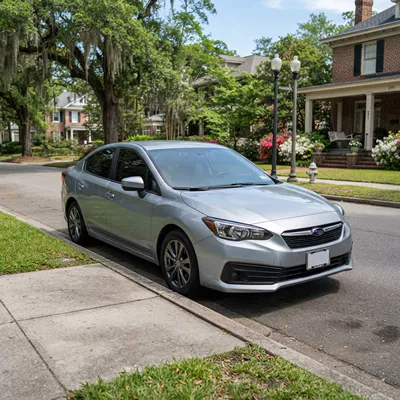
Car (Sedan/Coupe) 9,962 shipmentsBaseline
-
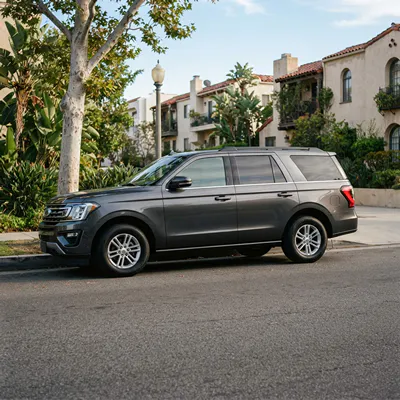
SUV / Crossover 10,015 shipments+$107
-
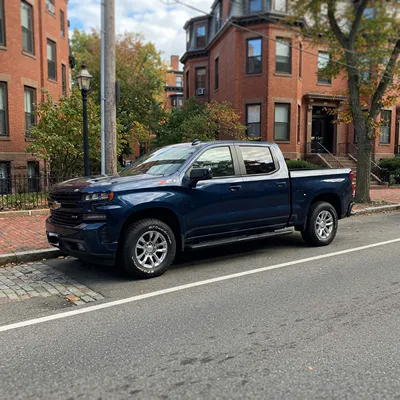
Pickup Truck 1,079 shipments+$286
By Transport Method
-
Driven 0 shipmentsBaseline
-
Open Trailer 767 shipments+$767
-
Enclosed Trailer 0 shipments+$0
Recent Car Shipping Prices In Tigard, Oregon
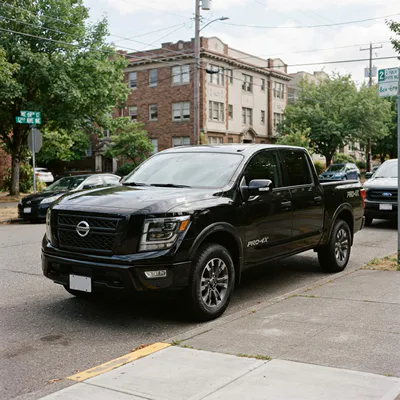
Nissan Titan
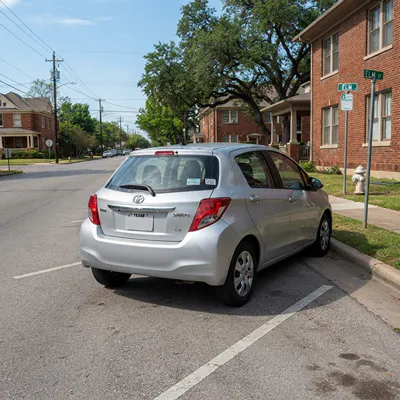
Toyota Yaris
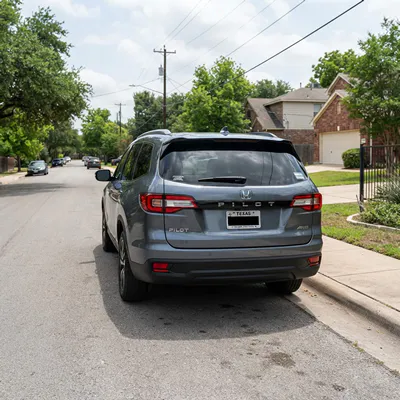
Honda Pilot
Chevrolet 1500
Ford Expedition
Subaru Impreza
Other Popular Cities In Oregon
FAQs
Does Shiply Cover My Area?
Yes. There are transport providers using Shiply all over the country and overseas, so whether you need to move something to/from Tigard, Oregon or further afield, we have got you covered.
What Mode Of Transport Will Be Used?
This is your preference, you can choose from various modes of transport available on Shiply. For car shipping this is generally a driven service, transported on an open trailer or transported in an enclosed trailer.
How Can I Contact Shiply Support?
Our friendly support team is always on hand. Simply click on the Help link or email us: . We aim to respond inside a few business hours. If you have an urgent query about a delivery underway, you can contact your driver directly. Full details are in the booking confirmation email and My Shiply.
Who Will Carry Out My Delivery?
Whoever you choose. There are thousands of rated transport providers from Tigard, Oregon on our platform ready to make a bid to carry out your car shipment. It is up to you to decide which quote to accept. We suggest assessing both price and the transport provider's feedback rating and recent reviews before your book.
When Will I Receive A Quote?
You will typically start to receive quotes within 30 minutes. If your delivery is particularly urgent or important, you can try upgrading your delivery request which moves your listing to the top of the search page for shipping companies.
How Many Quotes Will I Receive?
Whilst there is no guarantee of quotes, 98% of listings receive at least 3 quotes, so you are very likely to find a transport provider who services Tigard, Oregon who can undertake the delivery of your vehicle.
Is My Vehicle Insured For Transport to/From Tigard, Oregon?
Yes, it is a requirement for all transport providers on Shiply to have appropriate insurance coverage for the vehicles they transport. However, we also highly recommend purchasing Shiply's protection plan when placing your booking for additional peace of mind in the event of an insurance company or transport provider refusing to pay out.
How Far Out In Advance Should I Schedule Collection?
It is recommended to schedule your collection as early as possible to ensure availability and to allow transport providers sufficient time to plan the logistics of your vehicle's transport. Generally we advise at least two weeks as this gives transport providers enough time to bundle your car shipment with others heading in the same direction, helping to drive down cost. That said, last minute availability is sometimes possible, although it does carry a premium price. So planning ahead is always beneficial.
How Do I Pay For The Car Shipping Service?
When you accept a quote on Shiply, you pay a small deposit, service fee and optional protection plan fee. The remaining balance is paid directly to the transport provider, usually on delivery. Shiply provides a secure platform for communication. It is recommended to discuss payment terms with the provider before confirming your booking.
What Is the Difference Between Open and Enclosed Auto Transport?
Open transport is the most common and cost-effective method, where your vehicle is exposed to the elements on an open trailer. Enclosed transport provides additional protection by keeping your vehicle inside a covered trailer, shielding it from weather and road debris. Enclosed transport is typically more expensive but offers greater security for high-value or classic vehicles.
Is Shiply Auto Transport A Door to Door Service?
Yes, Shiply offers door-to-door auto transport services, meaning your vehicle will be picked up from your specified location and delivered to your desired destination. Typical pickup and delivery locations include home, office or apartments and all are typically fine. Occasionally, there may be restrictions based on the availability of street parking or extremely narrow roads, in those instances the transport provider will discuss nearby alternatives locations with you such as a local parking lot or gas station.
How Is Shiply Different From Other Auto Transport Services?
Shiply offers a unique platform that connects customers with transport providers, allowing for competitive quotes and flexible scheduling. Unlike traditional auto transport services, Shiply provides a transparent and user-friendly experience, ensuring that you can easily compare options and choose the best service for your needs. As transport providers compete for your job, you benefit from securing the best rates in the industry without having to phone around.
What Types of Vehicles Can Shiply Transport?
Shiply can transport a wide range of vehicles, including cars, motorcycles, vans, trucks, and even classic or luxury vehicles. The platform connects you with transport providers who have the appropriate equipment and experience to handle your specific type of vehicle, ensuring safe and reliable transportation. Shiply can also ship electric vehicles.
How Much Does It Cost To Ship A Car to/from Tigard, Oregon?
The cost of shipping a car to or from Tigard, Oregon depends on various factors, including the distance, type of vehicle, and chosen transport method. Shiply provides a platform where you can receive competitive quotes from multiple transport providers, allowing you to find the best rate for your specific needs. But as a general rule of thumb, you can expect a rough cost of around $2.40/mile for shorter distances under 250 miles and $0.84/mile for longer distances above 750 miles.
How Do I Get a Quote For Shipping My Car?
To get a quote for shipping your car, you can use Shiply's platform to submit your vehicle details and transport requirements - just click the get quotes button. Multiple transport providers will then provide you with competitive quotes, allowing you to compare prices and services to find the best option for your needs.
How Do I Stay In Touch With My Transport Provider During Delivery?
To stay in touch with your transport provider during delivery, you can use Shiply's messaging system to communicate directly with them. This allows you to ask questions, provide updates, and coordinate the details of your vehicle transport.
Is It Cheaper To Ship A Car Or Drive It?
It depends on the distance, fuel costs, accommodation, vehicle wear and tear, and the value of your time. For long-distance moves, shipping your car is often surprisingly cost-effective and saves you from putting unnecessary mileage on your vehicle. Shiply's reverse auction marketplace helps you compare competitive quotes so you can decide which option offers the best value.
Is It Worth Shipping A Car?
For many people, yes. Shipping a car can save significant time, reduce stress, avoid adding miles to your vehicle, and eliminate the costs associated with a long road trip. It is particularly worthwhile when relocating, buying a vehicle remotely, transporting a classic or luxury car, or moving across the country.
What Is The Cheapest Way To Ship A Car?
The most affordable option is usually open transport with flexible collection and delivery dates. Booking in advance also helps reduce costs, as transport providers have more opportunity to combine your vehicle with other deliveries travelling in the same direction. On Shiply, providers compete for your listing, helping you secure some of the lowest available prices.
How Long Does It Take To Ship A Car?
Delivery times depend on the distance, route, and transport provider's schedule. Shorter journeys may take just one or two days, while cross-country transport can take around one to two weeks. When reviewing quotes on Shiply, you can discuss estimated collection and delivery dates directly with transport providers before booking.
Can I Track My Vehicle During Transport?
Most transport providers provide regular updates throughout the journey. You can communicate directly with your chosen provider using Shiply's secure messaging system to request progress updates, estimated arrival times, or notify them of any changes during the delivery.
How Much Fuel Should Be Left In My Vehicle?
Most transport providers recommend leaving around a quarter of a tank of fuel. This provides enough fuel for loading and unloading while keeping the vehicle as light as possible, helping to improve safety and efficiency during transport.
What Is Terminal-To-Terminal Car Transport?
Terminal-to-terminal transport involves dropping your vehicle off at a designated collection point and collecting it from another terminal at its destination. While this can sometimes reduce costs, most Shiply transport providers offer the convenience of door-to-door delivery, making terminal transport less common.
Can I Ship Multiple Vehicles At Once?
Yes. Many transport providers can move multiple vehicles in a single shipment, whether you are relocating, buying or selling several vehicles, or arranging transport for a dealership. When creating your listing, simply include details of every vehicle so providers can quote accurately.
Can I Ship A Car I Bought Online Or At Auction?
Absolutely. Many Shiply customers arrange transport for vehicles purchased from dealerships, online marketplaces, auctions, and private sellers. Simply provide the collection and delivery details, and transport providers will submit competitive quotes for your shipment.
Can I Get A Quote Without Providing Personal Details?
Yes. You can request quotes by providing information about your vehicle and delivery requirements without making your personal contact details public. Once you have chosen a transport provider and confirmed your booking, you will be able to communicate directly through Shiply's secure messaging platform.
Can I Get A Quote Without Providing Personal Details?
Yes. You can request quotes by providing information about your vehicle and delivery requirements without making your personal contact details public. Once you have chosen a transport provider and confirmed your booking, you will be able to communicate directly through Shiply's secure messaging platform.
What Is The Safest Way To Ship A Car?
Professional vehicle transport is generally the safest option. For most vehicles, open transport provides excellent protection and value. If you are shipping a classic, luxury, antique, or high-value vehicle, enclosed transport offers additional protection from weather and road debris throughout the journey.
How Do I Choose The Best Car Shipping Company?
Look beyond price alone. Consider customer reviews, feedback ratings, insurance cover, experience, communication, and collection times. Shiply makes it easy to compare all of these factors in one place so you can confidently choose the transport provider that best meets your needs.
Why Do Car Shipping Prices Change Throughout The Year?
Car shipping prices fluctuate with supply and demand. Peak moving periods, holidays, severe weather, and popular relocation seasons can all increase demand for transport services. Booking early and being flexible with your dates can often help you secure lower prices.
How Long Is My Quote Valid?
Each transport provider sets their own quote validity period. Some quotes remain available for several days, while others may be withdrawn sooner if the provider's schedule changes. If you find a quote that suits your requirements, it is generally best to book before availability changes.
Can I Book Car Shipping Without An Exact Collection Address?
In many cases, yes. If you know the general pickup area but not the precise address, you can still create a listing and update the details later. If you change the pickup or delivery location after publishing your listing, existing quotes may need to be refreshed to reflect the new journey.
Can Shiply Transport Electric Vehicles?
Yes. Many transport providers on Shiply regularly transport electric vehicles, including Tesla, Rivian, Polestar, Lucid, Nissan, Hyundai, Kia, and many other makes and models. When creating your listing, simply specify that your vehicle is electric so providers can prepare accordingly if required.
Does Someone Else Have To Be Present If I Can't Attend Collection Or Delivery?
Yes. If you are unavailable, you can usually nominate a trusted friend, family member, colleague, or representative to hand over or receive the vehicle on your behalf. Make sure they have any necessary keys, paperwork, and are aware of the agreed collection or delivery arrangements.
What Happens If My Transport Provider Is Delayed?
Delays can occasionally occur due to traffic, weather, mechanical issues, or changes to delivery schedules. Your transport provider should keep you informed of any changes, and you can contact them at any time through Shiply's messaging system to receive updates.
What Happens If My Vehicle Is Damaged During Transport?
All transport providers on Shiply are required to carry appropriate insurance. Before collection, we recommend photographing your vehicle from multiple angles and noting any existing damage. If damage does occur during transport, you should notify the transport provider immediately and follow their insurance claims process. Purchasing Shiply's protection plan also provides additional peace of mind.
Can I Ship A Classic, Luxury Or Exotic Car?
Yes. Many transport providers specialise in transporting classic, luxury, prestige, and exotic vehicles. For valuable vehicles, enclosed transport is often recommended to provide additional protection from weather, road debris, and other external factors during transit.
What Documents Do I Need To Provide?
To ensure a smooth delivery process, you will need to provide certain documents to your transport provider. These may include your vehicle registration, proof of insurance, and title. Make sure to have these documents ready and accessible for the transport provider.
How Can I Ensure I Choose The Best Car Shipping Company To/From Tigard, Oregon?
To ensure you choose the best car shipping company, consider factors such as customer reviews, insurance coverage, experience, and pricing. All of which can be viewed in one place, here on Shiply. It's important to compare multiple providers and ask questions to make an informed decision.
How Should I Prepare My Car For Shipping?
To ensure your car is ready for shipping, you should clean it thoroughly, remove any personal belongings, and take note of any existing damage. Additionally, make sure your vehicle is in good working condition and has enough fuel for loading and unloading. We also advise taking photos of the car, from multiple angles, to document its condition before transport.
What Time Of Year Is Cheapest For Shipping My Car To/From Tigard, Oregon?
The cost of shipping your car can vary depending on the time of year. Generally, shipping rates are lower during the off-peak seasons, such as late fall and winter, when demand is lower.
Are Car Shipping Quotes Guaranteed?
On Shiply, the price you see is the price you pay. Unlike some other auto transport companies, the quotes provided are guaranteed and will not change unless you make modifications to your request.
Is Open Transport Car Shipping Safe?
Open transport is a common method for shipping cars and is generally safe. Vehicles are securely strapped and covered to protect against road debris and weather conditions. For luxury, antique or classic cars, enclosed transport is recommended for added protection and security.
Can You Negotiate With Car Shipping Providers?
On Shiply, the reverse auction mechanism automatically helps you find the lowest price in the market due to competitive bidding. However, yes, you can also use the messaging system to negotiate with providers. Sometimes if you are able to provide extra flexibility, especially around dates, you may be able to secure a better deal.
What Payment Methods Do You Accept?
Shiply accepts all major debit/credit cards. However, the transport providers themselves may have different payment methods and policies, so it's important to confirm with them directly before you place your booking.
Which Factors Affect Car Shipping Costs The Most?
Several factors can influence the cost of shipping a car, including the distance of the move, the type of transport (open or enclosed), the size and weight of the vehicle, and the time of year. It's important to consider these factors when planning your car shipment.
Can I Travel With My Car?
The majority of car transport providers on Shiply are only insured for the transportation of vehicles, however, some are also able to take people. If you need to travel with your car, make sure to mention this in your listing and to highlight this to any providers who quote on your request.
What If I Need To Cancel My Booking?
If you have accepted a quote and paid the deposit but wish to cancel the delivery, then you should first inform your chosen transport provider that you no longer require the delivery. You should then contact us at to process the cancellation.
Can I Change The Address Of The Delivery?
If you have not yet accepted a quote then you are able to change the address of your delivery request. Note that editing details of your request after publishing will result in active quotes being voided, so you will have to wait for new quotes to come in. If you have already accepted a quote and need to change the address either within Tigard, Oregon or outside the area, please let your transport provider know and contact us at .
Does Someone Have To Be Present For Pickup And Delivery?
In most cases, the car shipping company will require you to be in attendance for the pickup and delivery of the vehicle. This is because there are likely to be release forms that you need to sign, as well as handing over the car keys.
Can I Keep Items In My Vehicle?
Most car transport companies will be fine with you keeping some personal items in the vehicle when it is transported. However, do be aware that the weight of the items may affect the price of the vehicle shipment, and any items in the vehicle will not be covered by insurance for the transport of the car itself.
Can I Transport My Vehicle If It Isn't Running?
You can ship your vehicle if it isn't in running condition, however, this will be more expensive as specialist equipment is required to load and unload the vehicle.

How Shiply works
Why Choose Shiply?
Shiply helps you compare quotes from customer-reviewed vehicle transporters who already have space on similar routes, so you can find a safer, simpler way to ship at a better price.

Save up to 75%
Transport Providers bid for your job using spare capacity on pre-existing routes.

Compare rated shippers
Review prices, profiles, feedback, and recent customer comments before booking.
Move any vehicle
Arrange local, interstate, long-distance, open, enclosed, or specialist transport.
Support and safety
Dedicated Trust & Safety Team. Friendly support team standing by and ready to help.
How Shiply Helps The Environment
By utilizing spare capacity of vehicles running on the road, Shiply helps reduce the number of otherwise wasteful journeys.